
Teaching Shapes & Patterns
Importance of Shape Learning
The importance of shape learning in early childhood education cannot be overstated. It serves as a foundational skill that lays the groundwork for more advanced mathematical concepts. According to Stanford University, preschool children between three to five years of age need to develop an understanding of basic geometry to navigate their environment effectively.
By introducing children to shapes at a young age, educators help them enhance their spatial reasoning skills and foster cognitive development. Learning shapes also aids in perceptual development and nurtures visual discrimination abilities, setting the stage for future academic success.
Analysis of Shapes in Children
While young children can accurately perceive shapes in their surroundings, they often need guidance in analyzing shapes beyond surface recognition. According to Stanford University, children typically learn shape names easily but analyzing shapes to understand their properties and relationships is a more complex cognitive process.
Around the ages of three and four, children begin to grasp the distinctions between two-dimensional (2-D) and solid (3-D) shapes. They can differentiate between shapes like triangles and rectangles and identify similarities within shapes. However, they may struggle with comprehending the underlying characteristics of shapes, such as the defining attributes like the number of sides or angles that shape contains.
To support children's development in shape analysis, educators should provide hands-on learning experiences that encourage exploration and critical thinking. By engaging children in activities that challenge them to classify similar objects and understand the defining properties of shapes, educators can foster a deeper understanding of geometry and promote mathematical literacy.
Understanding and applying shapes in early childhood sets a strong foundation for future learning in mathematics and other disciplines. Introducing shapes through daycare crafts not only makes learning engaging but also nurtures children's creative and cognitive skills in a fun and interactive way.
Understanding Shapes in Young Children
Understanding shapes is a fundamental aspect of early childhood development, aiding children in spatial perception and cognitive skills. Young children, particularly around three to four years of age, embark on a journey of discovery when it comes to shapes, exploring both two-dimensional (2-D) and solid (3-D) shapes. Let's delve into the intricacies of two-dimensional shapes, three-dimensional shapes, and the properties and discriminations associated with them.
Two-Dimensional Shapes
At this early stage, children begin to distinguish between various two-dimensional shapes, such as circles, squares, triangles, and rectangles. While they can easily recognize and differentiate shapes like triangles and rectangles from one another, they may struggle with analyzing the fundamental properties that define each shape. Providing visual aids and engaging activities can help reinforce their understanding of 2-D shapes.
Three-Dimensional Shapes
Moving into the realm of three-dimensional shapes, children at this age start exploring solid figures like cubes, spheres, cones, and cylinders. While they can identify sameness (congruence) between these shapes, comprehending the properties of each shape poses a more significant challenge. This understanding includes recognizing characteristics such as the number of sides that define a figure. Encouraging tactile experiences with these shapes can enhance their learning process.
Properties and Discriminations
Beyond mere recognition, children need to progress to classifying objects based on similarities and key distinctions. For instance, comprehending that various non-congruent but similar four-sided figures with equal lengths and right angles belong to the category of squares is a crucial developmental step. Moreover, understanding the defining properties of shapes, such as what distinguishes a triangle from a square, lays the groundwork for more advanced spatial skills.
In the preschool setting, it is essential to provide hands-on experiences that allow children to explore and manipulate shapes creatively. Activities that involve composing and decomposing shapes not only foster creativity but also deepen their understanding of spatial relationships. By engaging children in art projects that involve shape recognition, construction, and spatial visualization, educators can cultivate a strong foundation for future learning in mathematics and problem-solving skills.
Understanding shapes in young children goes beyond mere identification; it entails building a solid conceptual framework that underpins their spatial intelligence and critical thinking abilities. By nurturing their curiosity and providing them with the tools to explore shapes in a hands-on manner, educators can sow the seeds for a lifelong appreciation of mathematics and creativity.
Shape Classification and Analysis
In the realm of teaching shapes to children, the process of shape classification and analysis plays a pivotal role in their cognitive development. It involves classifying similar objects and defining the properties of shapes, which are essential aspects of shape learning.
Classifying Similar Objects
Children need to progress from identifying simple shapes to categorizing objects that share similar characteristics. For instance, they should recognize that non-congruent but similar four-sided figures with equal length and right angles are all squares. This understanding allows children to group shapes based on common attributes, fostering their analytical skills and enhancing their ability to differentiate shapes effectively.
Defining Properties of Shapes
Understanding the defining properties of shapes is fundamental for children's shape comprehension. It involves grasping what makes a specific shape unique and how it differs from others. For example, children learn to differentiate a triangle from a square by recognizing the specific attributes of each shape. Mastery of these defining properties empowers children to not only identify shapes but also to analyze, compare, create, and compose shapes effectively, aligning with the Common Core State Standards for Mathematics.
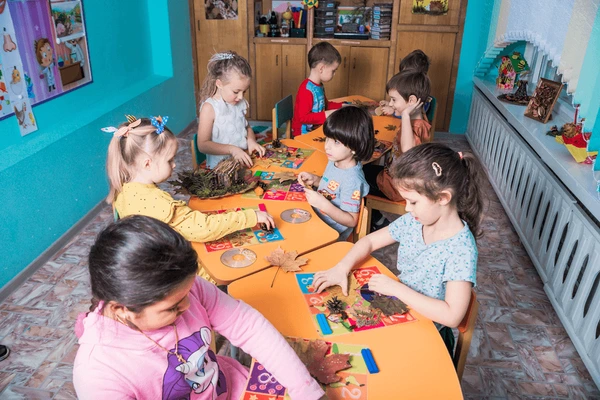
In daycare settings, teaching shapes through crafts provides a hands-on and engaging approach for children to explore and internalize shape classification and properties. Through interactive activities and creative projects, children are encouraged to delve into the world of shapes, fostering their cognitive development and analytical skills.
Understanding the diverse learning styles of children, whether visual, auditory, or kinesthetic, is crucial in tailoring shape-related activities to cater to individual preferences. By incorporating shape learning into various daily activities such as art projects, storytime, and outdoor play, daycare centres in New York can create a stimulating environment that nurtures children's foundational skills for future academic success.
Composing and Decomposing Shapes
In the realm of teaching shapes and patterns to young children, exploring shapes creatively and constructing different shapes play a fundamental role. Composing and decomposing shapes not only enhance children's understanding of shapes but also foster their creativity and spatial reasoning skills.
Exploring Shapes Creatively
Children thrive in an environment where they can explore shapes freely and creatively. By encouraging them to manipulate shapes, put them together, and take them apart, we provide them with the opportunity to experiment and discover the inherent properties of various shapes. This hands-on approach allows children to develop a deeper understanding of shapes beyond mere recognition.
One effective way to explore shapes creatively is through interactive activities that involve arranging shapes to form new creations. For example, combining two squares to create a rectangle or dividing a rectangle into two triangles promotes spatial awareness and critical thinking. These activities not only engage children but also lay the foundation for more complex geometric concepts in the future.
Constructing Different Shapes
Constructing different shapes is a pivotal aspect of shape learning that allows children to apply their knowledge in a practical and tangible way. By engaging in shape construction activities, children learn how to relate and connect different shapes to build more complex structures.
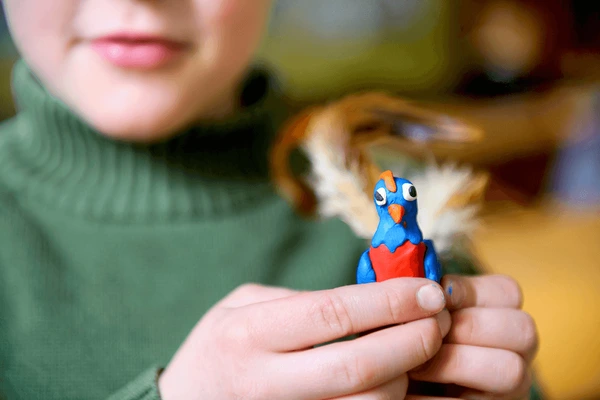
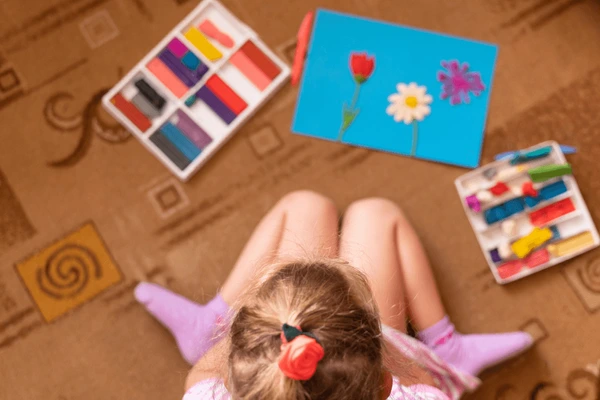
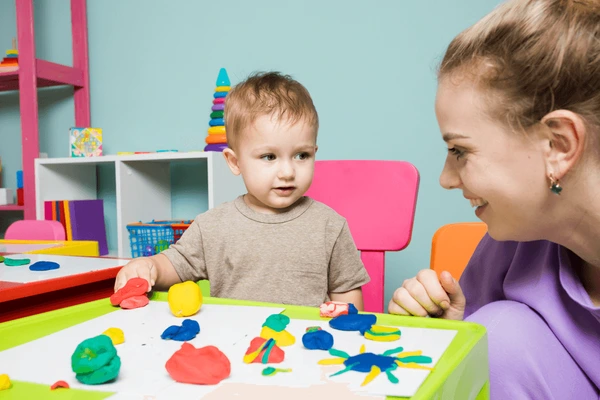
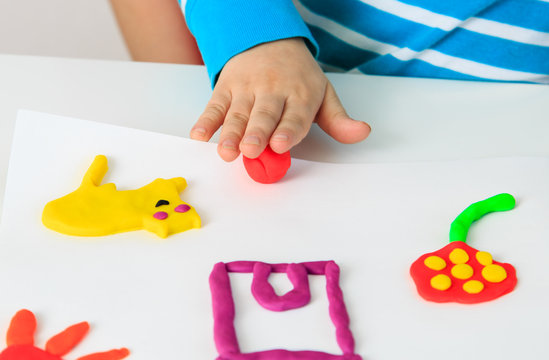
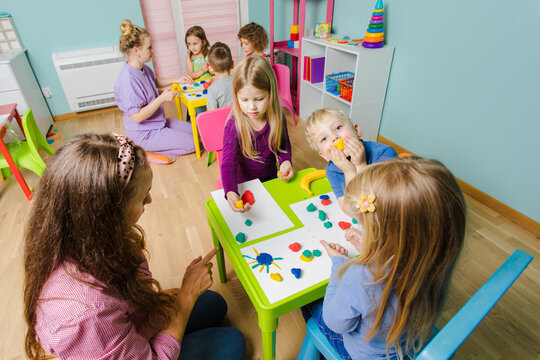
Crafting activities that involve cutting out shapes of various colors can be instrumental in helping children practice identifying and naming shapes. For instance, creating a farm scene using cut-out shapes or molding shapes with modeling dough using tools like rolling pins and cookie cutters can reinforce shape recognition skills in a fun and interactive manner.
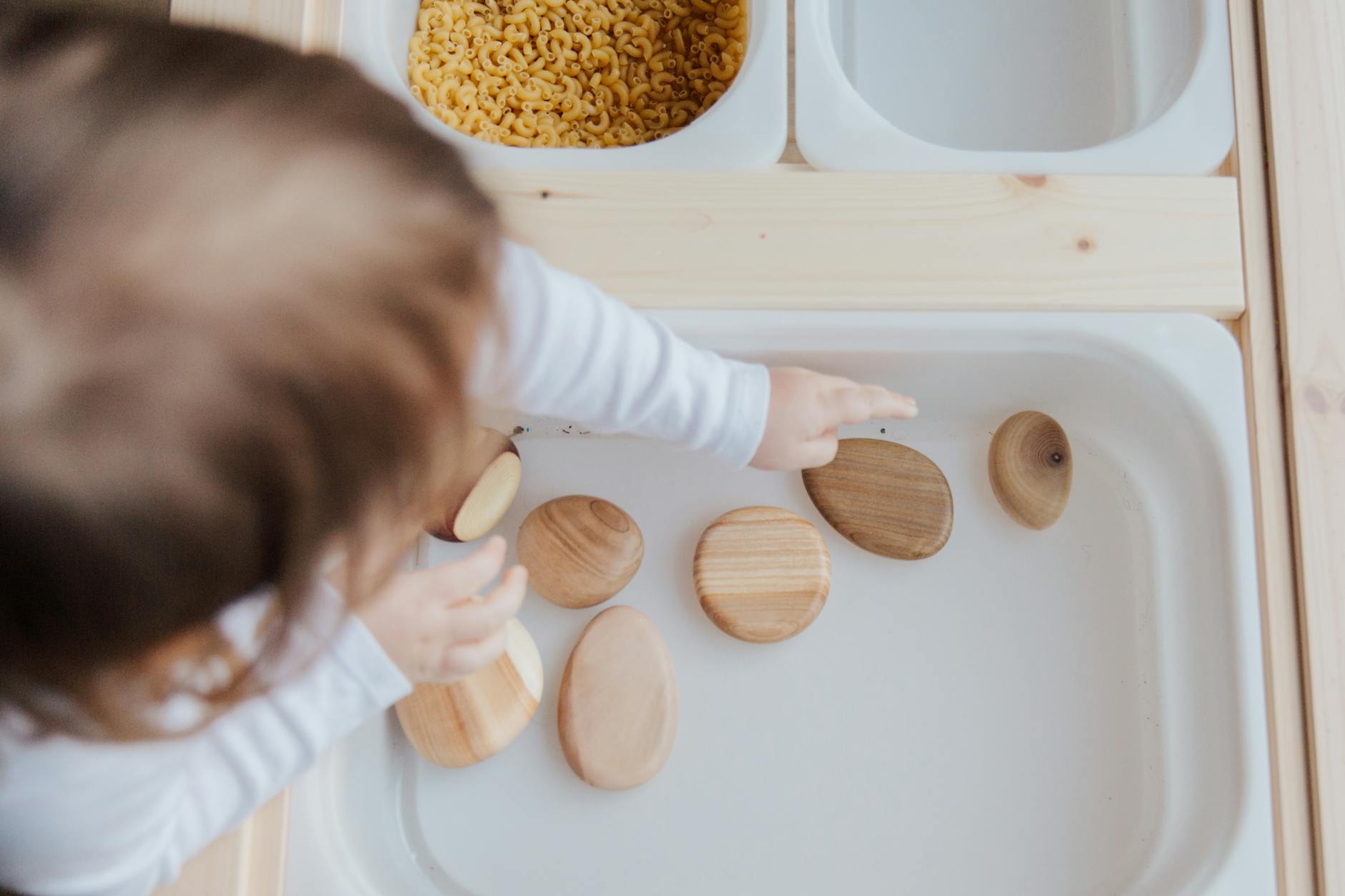
To further enhance the learning experience, incorporating multisensory art activities that involve tactile materials and textures can provide children with a holistic understanding of shapes and promote creativity in shape exploration.
By encouraging children to explore shapes creatively and construct different shapes through hands-on activities, educators can instill a lasting appreciation for geometry and spatial relationships from an early age. Through these experiences, children not only develop their cognitive abilities but also nurture their artistic skills and problem-solving capabilities.
Kindergarten Art Projects
In the realm of kindergarten education, art projects play a significant role in fostering creativity and skill development among young learners. These projects not only serve as a means of expression but also offer valuable learning opportunities that extend beyond the confines of conventional education.
Learning Through Art
Kindergarten art projects provide children with a platform to engage in meaningful creative activities that contribute to their overall development. According to We Are Teachers, these projects offer kids the opportunity to learn about colors, textures, shapes, and more while honing their hand-eye coordination through activities like cutting and tracing.
Engaging Activities
Engaging kindergarten students in art projects is a dynamic way to introduce them to the world of artistic expression. By incorporating a variety of projects such as weaving, circle print art, cardboard tube sculptures, fingerprint trees, hand tracing, and alphabet paintings, educators can captivate young minds and nurture their creativity.
Kindergarten art projects encompass a wide range of creative endeavors that cater to various artistic preferences and skill levels. From creating 3D sculptures and exploring unconventional materials like dried corn to delving into color-wheel concepts through colorful flower crafts, these activities offer a comprehensive artistic experience that stimulates imagination and innovation.
Engagement in diverse art projects such as watercolor castles, textured clay turtles, yarn art, straw-blown peacock paintings, and cardboard sculptures enables students to experiment with different techniques and materials, expanding their artistic horizons and enhancing their fine motor skills.
By introducing kindergarten students to art projects like junk robots, Chihuly-inspired bowls, leaf people, paper quilts, and bubble wrap magic, educators not only encourage creativity but also provide exposure to a plethora of art forms and techniques. These immersive experiences foster a love for the arts while nurturing essential skills like problem-solving and innovative thinking, laying a strong foundation for a lifelong appreciation of creativity and self-expression.
Enhancing Artistic Skills
Engaging in art activities at a young age can have a profound impact on children's development. By exploring the benefits of art activities, children not only enhance their artistic skills but also acquire valuable life skills and experiences. Let's delve into the benefits of art activities and their developmental impact on children.
Benefits of Art Activities
Art activities play a crucial role in helping children develop essential life skills that extend beyond the realms of creativity. According to the Children's Museum of Sonoma County, engaging in art can boost fine motor skills, problem-solving capabilities, creativity, imagination, and self-expression. These activities not only nurture artistic talent but also foster confidence, emotional well-being, and a sense of accomplishment in children.
Through art, children can explore their unique ideas and perspectives, building a sense of identity and self-worth. Art activities provide a safe space for children to express their emotions, thoughts, and experiences, promoting healthy emotional development and self-discovery.
Developmental Impact
As children progress through different stages of artistic development, their understanding of artistic concepts matures and deepens. By the age of 6-8 years old, children begin to grasp fundamental artistic elements such as colors, shapes, and patterns, showcasing their growing independence in creative expression.
As children reach 9-12+ years old, engaging in more complex arts and crafts projects further enhances their creativity and problem-solving skills. According to the Children's Museum of Sonoma County, intricate art projects not only stimulate creativity but also integrate various fields of learning such as science, engineering, and math. This interdisciplinary approach not only fosters critical thinking but also enhances children's ability to approach challenges with a creative mindset.
One example of a creative learning activity for children is UV Light Art Prints. This project combines art, science, and health education by creating unique prints using photosensitive paper and sunlight. Through this activity, children explore scientific concepts like light, heat, chemical reactions, and sun protection, fostering a holistic understanding of the world around them.
Art activities in daycare settings not only enhance children's artistic abilities but also contribute to their overall growth and development. By fostering creativity, problem-solving skills, and emotional well-being, art becomes a powerful tool for nurturing young minds and shaping their future potential.
Art Adventures in Daycare
In the realm of daycare, art activities serve as portals for creative exploration and avenues for inclusive art activities that foster a nurturing environment for children’s development.
Creative Exploration
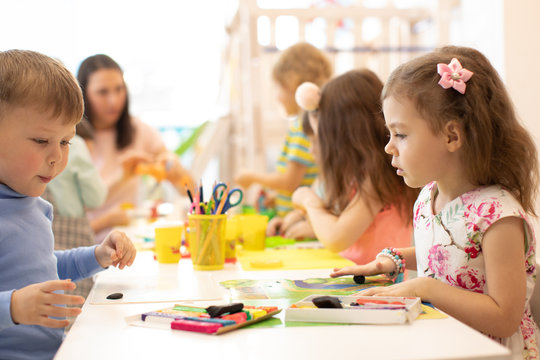
Within daycare settings, creative exploration through art allows children to unleash their imagination, experiment with colours and textures, and express themselves in a safe and supportive space. By engaging in art adventures, children can transcend boundaries, explore their creativity, and develop their artistic skills. Incorporating multi-sensory art activities can further enhance the sensory experiences and cognitive development of young learners, encouraging them to discover new ways of self-expression.
Through creative exploration, children not only develop their fine motor skills but also cultivate confidence in their abilities to communicate ideas and emotions through art. Art adventures in daycare settings pave the way for children to embrace their individuality and hone their artistic talents while promoting joy and self-discovery.
Inclusive Art Activities
Inclusive art activities in daycare are integral to ensuring that every child, regardless of their unique needs or abilities, can fully participate and benefit from the creative process. Creating an inclusive environment where diversity is celebrated and every child feels valued is paramount in daycare settings.
Adapting art activities for children with special needs or disabilities requires sensitivity and flexibility. By promoting diversity and inclusion through art projects, daycare providers can empower children to express themselves authentically and cultivate a sense of belonging within the creative community. Inclusive art activities not only nurture creativity but also foster empathy, understanding, and respect for differences among children.
Art adventures in daycare settings offer a holistic approach to learning, supporting children in their cognitive, emotional, and physical development. By embracing creative exploration and inclusive art activities, daycare providers can cultivate a nurturing environment where each child is encouraged to express themselves freely, celebrate their uniqueness and embark on enriching artistic journeys.
Teaching Shapes Through Crafts
When it comes to teaching shapes & patterns through daycare crafts, the approach of process-oriented learning combined with hands-on shape crafts can be highly beneficial for young children in New York. This method not only enhances their understanding of shapes but also fosters creativity and cognitive development.
Process-Oriented Learning
In preschool education, it's crucial to adopt a process-oriented approach to learning shapes. According to Playto, focusing on the process rather than the end product encourages exploration and creativity. By providing children with the opportunity to experiment with shapes through various materials and mediums, educators can stimulate their imagination and critical thinking skills.
Through process-oriented learning, children in daycare can engage in activities that involve manipulating shapes, experimenting with symmetry, and exploring different spatial arrangements. This approach not only promotes a deeper understanding of shapes but also nurtures a child's confidence and self-expression.
Teachers play a vital role in guiding children through the creative process, encouraging them to think critically about shapes, patterns, and spatial relationships. By creating a supportive and inclusive environment, educators can inspire curiosity and a love for learning among their young students.
Hands-On Shape Crafts
Hands-on shape crafts serve as a practical and engaging way to reinforce shape recognition and spatial awareness among preschoolers. By incorporating tactile experiences and sensory stimulation, children can develop a deeper understanding of two-dimensional and three-dimensional shapes.
Utilizing eco-friendly art supplies and sustainability practices, such as recycled materials and discussions on environmental themes, not only benefits the planet but also teaches children about conservation and resourcefulness, as suggested by Playto. This holistic approach to shape learning integrates art, science, and environmental awareness, fostering a sense of responsibility and creativity in young minds.
Craft activities such as building block sculptures, collage compositions, and shape puzzles allow children to manipulate shapes, construct patterns, and explore symmetry in a hands-on and interactive manner. By engaging in these creative projects, children develop fine motor skills, spatial reasoning, and problem-solving abilities.
By promoting interactive and educational art experiences, daycare centres in New York can empower children to embrace their creativity, enhance their cognitive skills, and deepen their appreciation for shapes and patterns in the world around them. Through a combination of process-oriented learning and hands-on shape crafts, educators can inspire a lifelong love for art and learning in their young learners.
References
[2]: https://www.naeyc.org/resources/pubs/tyc/apr2014/discovering-shapes-and-space-preschool
[3]: https://www.playto.com/blog/teaching-basic-life-skills-in-daycare/
[4]: https://www.weareteachers.com/best-kindergarten-art-projects/
[5]: https://www.cmosc.org/benefits-of-art-during-early-childhood/























.avif)


.avif)


