
Benefits of Family-Style Dining
In the context of daycare settings, family-style dining presents a range of benefits that contribute to the overall well-being and development of children. These benefits include fostering unity and calmness, as well as promoting independence and empowerment among the youngsters.
Unity and Calmness
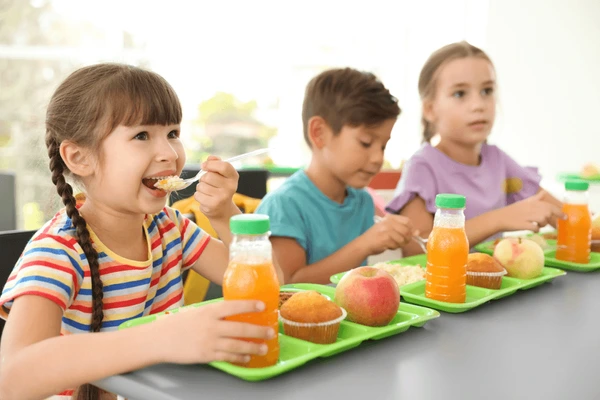
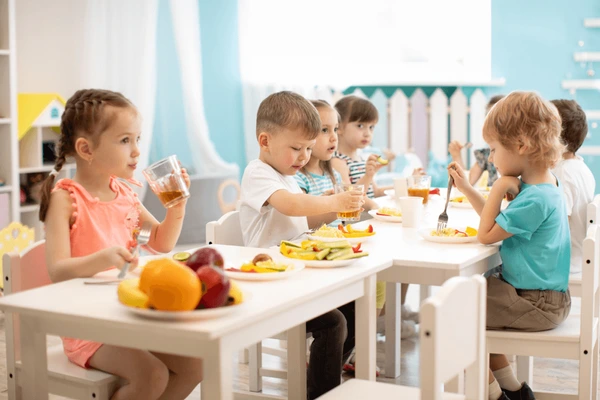
Family-style dining in daycare environments creates a sense of togetherness and unity among the children. By sharing meals in a communal setting, kids learn valuable social skills such as communication, cooperation, and respect for others. This shared experience promotes a harmonious atmosphere and encourages positive interactions during meal times.
According to Bright Horizons, the inclusive nature of family-style dining eliminates power struggles commonly associated with meal times. Children feel a sense of belonging and understand the importance of sharing and being considerate of others. This collaborative approach to dining not only enhances their social skills but also instills a sense of community within the daycare setting.
Independence and Empowerment
Empowering children to serve themselves during family-style meals fosters a sense of independence and self-reliance. Through this hands-on experience, kids learn to make their own choices, develop fine motor skills, and take responsibility for their actions. Serving themselves and participating in mealtime routines instils a sense of accomplishment and autonomy in young children.
Family-style dining allows children to express their preferences, take appropriate portion sizes, and share their thoughts with their peers. This active involvement in the mealtime process empowers children to make decisions about their food intake and encourages them to develop healthy eating habits independently.
By embracing family-style dining in daycare settings, children not only enjoy the social aspect of shared meals but also benefit from the increased sense of unity, calmness, independence, and empowerment that this approach offers. These positive experiences contribute to a nurturing and supportive environment that promotes the overall well-being and development of young learners.
Impact of Family Meals
In the realm of daycare settings, the influence of family-style meals extends beyond mere sustenance, encompassing educational benefits, health advantages, and emotional well-being.
Educational Benefits
Family-style dining in daycare environments serves as an educational platform, fostering learning opportunities before, during, and after mealtimes. According to ECLKC, this approach promotes children's development and social skills through interactions during meal preparation, serving, and shared dining experiences. It nurtures a sense of community and enhances communication among peers, contributing to a holistic educational experience.
Health Benefits
The amalgamation of family meals and daycare routines yields substantial health benefits for children. Research highlighted on Parents indicates that frequent family meals correlate with improved cardiovascular health, decreased risk of substance misuse, and enhanced self-esteem among children. By promoting the value of nutritious eating habits from an early age, daycare centres can instill healthy practices and reduce the likelihood of obesity and other health issues as children grow.
Emotional Well-being
Emotional well-being is a key outcome of family meals in daycare environments. The act of sharing meals with peers and caregivers establishes a sense of security and belonging, creating a nurturing atmosphere that supports children's emotional development. As detailed by studies on PubMed Central, family meals are associated with decreased incidences of disordered eating, substance use, and depressive symptoms among children and adolescents. Furthermore, positive meal experiences contribute to improved communication skills and social interaction, as observed in a Canadian study highlighted by Parents.
The integration of family-style meals in daycare settings not only caters to the nutritional needs of children but also nurtures their educational growth, physical well-being, and emotional development. By leveraging the communal aspect of mealtimes, daycare providers can create a supportive environment that enhances the overall well-being of the children in their care.
Family Dining Research
When it comes to why family-style meals work in daycare, research has highlighted numerous benefits that extend beyond just nourishment. Let's delve into the academic performance, mental health benefits, and prevention of health issues associated with family dining.
Academic Performance
Eating family meals together has been linked to improved academic performance in children and adolescents. Studies over the years have shown that the act of sharing meals with family members can have a positive impact on academic achievements. By fostering regular communication and creating a supportive environment, family meals can enhance a child's focus, cognitive abilities, and overall well-being. This positive influence on academic performance can set a strong foundation for educational success later in life [1].
Mental Health Benefits
The mental health benefits of family dining are profound, particularly in preventing various emotional and psychological issues. Research indicates that frequent family meals can lower the risks of disordered eating, substance misuse, depression, and even suicidal thoughts in adolescents. Family meals create a sense of belonging, promote open communication, and provide a supportive environment that can positively impact mental wellness. These benefits contribute to increased self-esteem, improved emotional well-being, and enhanced school success among children and adolescents, particularly females [2].
Prevention of Health Issues
Another significant aspect highlighted by research is the preventive nature of family meals against various health issues. Regular shared family meals have been associated with a decreased likelihood of obesity and weight-related problems, especially among adolescents. This connection is particularly noteworthy among Black teens, indicating the importance of familial mealtime routines in promoting healthy eating habits and preventing long-term health issues. Family meals also play a role in reducing the risks of cardiovascular concerns and substance misuse, showcasing the holistic benefits of this communal dining practice [1].
Understanding the academic, mental health, and preventive health benefits of family dining underscores the importance of incorporating this practice, not only in daycare settings but also in households. By fostering an environment that encourages shared meals and meaningful interactions, caregivers can positively impact the overall development and well-being of children. For more information on maintaining appropriate portion sizes for daycare meals and the role of daycare providers in promoting healthy eating habits, explore our related resources.
Family-Style Dining in Daycare
When it comes to fostering a nurturing environment for children in daycare, family-style dining has emerged as a popular and beneficial approach. This method entails children and teachers sitting together at tables, serving themselves from child-size platters, and engaging in various table activities like pouring drinks, sharing thoughts, and cleanup tasks. This interactive dining style not only promotes unity and calmness but also instills independence and empowerment among children, as noted by Bright Horizons and the Virtual Lab School.
Implementation in Daycare Settings
Implementing family-style dining in daycare settings involves creating an environment where children can actively participate in the mealtime experience. By allowing children to serve themselves, choose their portions, and engage in mealtime responsibilities, daycare providers can encourage independence, build confidence, and foster a sense of community. Through this collaborative approach to dining, children learn important social skills, develop fine motor skills, and enhance their self-regulation abilities.
Furthermore, family-style dining encourages children to explore new foods, engage in conversations with peers and adults, and practice important life skills such as setting and cleaning up the table. By creating a shared dining experience, daycare providers can establish a positive mealtime routine that supports children's overall development and wellbeing.
Enhancing Social Skills
One of the key benefits of family-style dining in daycare is the opportunity for children to enhance their social skills. By eating together with teachers and peers, children learn valuable communication skills, including taking turns, sharing, and engaging in polite table manners. This shared dining experience helps children build confidence in social interactions, fosters a sense of community, and promotes a positive attitude towards mealtime.
Moreover, family-style dining allows children to observe and mimic adult behavior, encouraging them to develop essential life skills. This inclusive dining approach not only supports healthy eating habits but also cultivates a sense of belonging and togetherness within the daycare community.
By embracing family-style dining in daycare settings, caregivers can create a nurturing and supportive environment where children can learn, grow, and thrive. This holistic approach to mealtime not only benefits children's social and emotional development but also sets the foundation for lifelong healthy eating habits and positive social interactions.
Positive Effects of Family Meals
In the context of daycare settings, family-style meals offer a range of positive effects on children's eating habits and social development. By encouraging communal dining experiences, children are more attuned to their hunger cues and are more open to trying new foods, fostering a healthy approach to mealtimes.
Attuned to Hunger Cues
Research, as cited by the Virtual Lab School, supports family-style dining as a way to practice "responsive feeding." In this setting, children serve themselves, eat alongside adults, and receive guidance on appropriate portion sizes. By engaging in this practice, children develop a deeper understanding of their hunger and fullness cues. Being in control of their portions helps them regulate their food intake, promoting a healthier relationship with food.
Trying New Foods
Participating in family-style dining environments also encourages children to experiment with new foods. When they observe adults and peers trying different dishes, children are more likely to follow suit and expand their palate. This exposure to a variety of foods during meal times can help inculcate a sense of culinary curiosity and openness to diverse cuisines.
Moreover, children tend to mimic the behaviors they observe, so when they see others trying and enjoying new foods, they are inclined to do the same. This exposure to different flavors and textures at an early age can contribute to the development of a well-rounded and adventurous eater.
Incorporating family-style dining practices in daycare settings not only promotes healthier eating habits but also fosters a positive and inclusive mealtime experience for children. By encouraging children to be mindful of their hunger cues and explore a variety of foods, daycares can play a significant role in shaping children's attitudes towards food and mealtime interactions.
Practical Aspects of Family Dining
When it comes to family-style dining in daycare settings, practical aspects such as portion control and cleanup responsibilities play a significant role in the overall dining experience for children. These elements not only promote a sense of independence and responsibility but also contribute to a positive dining environment.
Portion Control
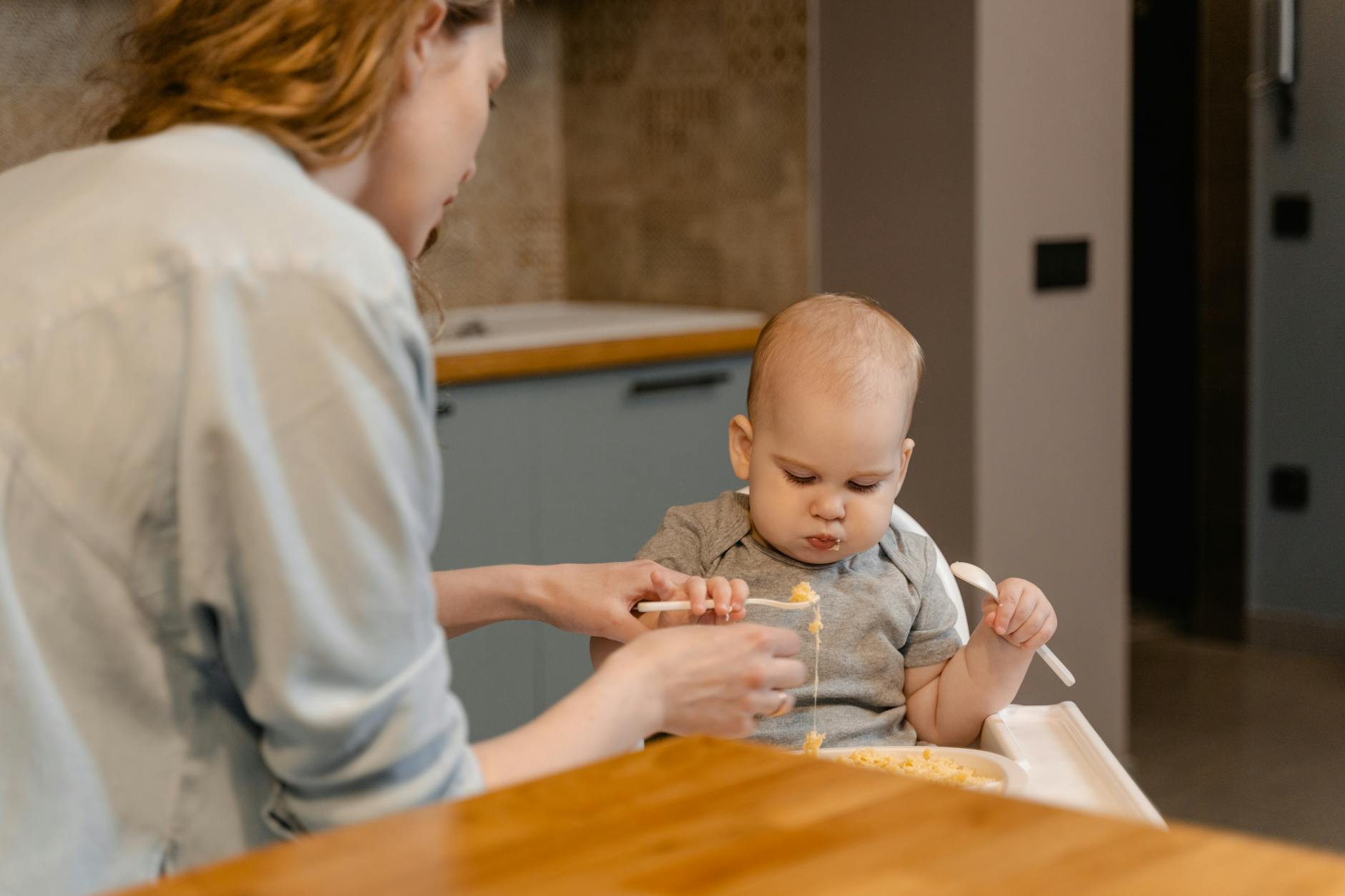
Encouraging portion sizes for daycare meals in family-style dining can be a challenging yet essential aspect of fostering healthy eating habits in children. It is crucial for adults present during mealtimes to respond patiently when children take too much, too little, spill, or refuse certain foods. Children have different appetites and understanding their individual needs is key to promoting balanced eating.
To guide portion control effectively, a child's stomach size can serve as a reference point. Approximately the size of their fist, it provides a general guide for determining suitable portion sizes that children should serve themselves at mealtimes. By allowing children to choose appropriate portion sizes through self-serving, they develop a sense of responsibility and independence in understanding their dietary needs.
It's worth noting that preschool-age children typically require around 1,200 calories per day. Through controlled portions and balanced meals, children can learn about healthy eating habits and develop a positive relationship with food.
Cleanup Responsibilities
Incorporating cleanup responsibilities into family-style dining not only aids in maintaining a tidy environment but also teaches children valuable life skills. By involving children in post-meal cleanup activities, such as wiping tables or putting away dishes, they learn the importance of contributing to communal tasks and the satisfaction of completing a task.
To facilitate cleanup responsibilities, child-size cleaning supplies like brooms and dustpans should be made accessible to children. Providing the right tools empowers children to take an active role in maintaining cleanliness and orderliness after meals.
Encouraging children to participate in cleanup activities also helps them understand that mistakes are a natural part of the learning process and can be rectified. This fosters a supportive and nurturing environment where children feel empowered to take ownership of their actions and contribute to the group's well-being.
By incorporating portion control guidance and cleanup responsibilities into family-style dining experiences, daycare providers can promote not only a positive mealtime environment but also holistic child development. These practical aspects play a crucial role in shaping children's attitudes toward food, responsibility, and independence, laying the foundation for healthy habits that can last a lifetime.
Child Development and Family Meals
When it comes to child development, the practice of family meals plays a significant role in shaping various aspects of a child's growth. Family-style dining in early childhood education programs fosters a learning environment that extends beyond mealtimes, promoting key developmental milestones for children.
Encouraging Independence
Engaging in family-style dining empowers children to take charge of their meal experience. By actively participating in serving themselves from child-size platters, pouring drinks from small pitchers, and engaging in table setting and cleanup tasks, children develop a sense of independence and self-reliance. These responsibilities instill a sense of autonomy, nurturing their decision-making skills and confidence.
Furthermore, allowing children the opportunity to choose their portion sizes and manage their servings during family meals enables them to practice self-regulation and decision-making. This hands-on approach to mealtime encourages children to develop a healthy relationship with food and promotes positive eating habits for the future.
Establishing Healthy Eating Habits
Incorporating family-style dining in daycare settings introduces children to a diverse range of foods and flavors. Encouraging children to try different foods during communal meals not only expands their palate but also promotes a willingness to explore nutritious options. Exposing children to a variety of foods from a young age can help establish lifelong healthy eating habits and a positive attitude towards wholesome nutrition.
Moreover, the act of sharing meals with peers and teachers cultivates a sense of community and social connection, enhancing the overall dining experience. Mealtimes become opportunities for children to engage in conversations, share thoughts, and develop social skills in a supportive and inclusive environment.
By embracing the principles of family-style dining, daycare providers can create nurturing mealtime experiences that contribute to the holistic development of children, fostering independence, healthy eating habits, and positive social interactions. To learn more about appropriate portion sizes for daycare meals and how daycare providers influence healthy eating practices, refer to our articles on portion sizes for daycare meals and the role of daycare providers in healthy eating.
MyPlate Visual Tool
When it comes to promoting family-style meals in daycare, incorporating tools like MyPlate can play a vital role in guiding balanced nutrition for children. The MyPlate visual tool provides structured guidelines for meal planning, emphasizing the importance of a well-rounded diet that covers all essential food groups.
Balanced Meal Guidelines
For preschool-age children, who typically need around 1,200 calories per day, and school-age children, who require approximately 1,200 to 1,600 calories per day depending on their physical activity levels, the MyPlate visual tool serves as an effective reference for creating balanced meals [3]. It visually displays the five food groups - fruits, vegetables, grains, protein, and dairy - providing a clear representation of portion distribution for a nutritious and wholesome meal.
By adhering to the guidelines outlined by MyPlate, daycare providers can ensure that children receive a diverse array of nutrients essential for their growth and development. The balanced meal guidelines help in fostering healthy eating habits from a young age and educate children about the significance of incorporating a variety of foods into their daily diet.
Portion Recommendations
Portion control is a fundamental aspect of promoting healthy eating habits among children. Children need guidance on appropriate serving sizes to prevent overeating and encourage balanced nutrition. In family-style dining setups, where children serve themselves, it's important for adults to be patient and supportive as children navigate portion sizes and food choices.
Preschool-age children typically require around 1,200 calories per day, and family-style dining provides an opportunity for them to learn about portion control and recommended portion sizes [3]. MyPlate guidelines serve as a visual aid, helping children understand how their plate should ideally be filled with a combination of foods from different groups.
By incorporating MyPlate portion recommendations into mealtime practices, daycare providers can empower children to make informed choices about their food intake. This approach not only instills a sense of independence but also educates children about balanced nutrition, encouraging them to explore and appreciate a variety of healthy foods within a structured meal framework.
References
[2]: https://www.ncbi.nlm.nih.gov/pmc/articles/PMC4325878/
[3]: https://www.virtuallabschool.org/focused-topics/essentials-in-child-care-food-service/lesson-2






















.avif)


.avif)


