
Harnessing Crafting for Educational Growth
In an era where creativity and problem-solving are pivotal skills, educators are seeking ways to embed these abilities into their teaching methodologies. Crafts offer a tangible, engaging medium through which children can develop critical thinking skills, boost their creativity, and build resilience. As educators and parents explore the realm of crafting as a pedagogical tool, it's essential to understand how to effectively integrate these activities into educational frameworks.
Unleashing Creativity: Crafting as a Catalyst for Critical Thinking
How can crafting activities enhance creativity and critical thinking in children?
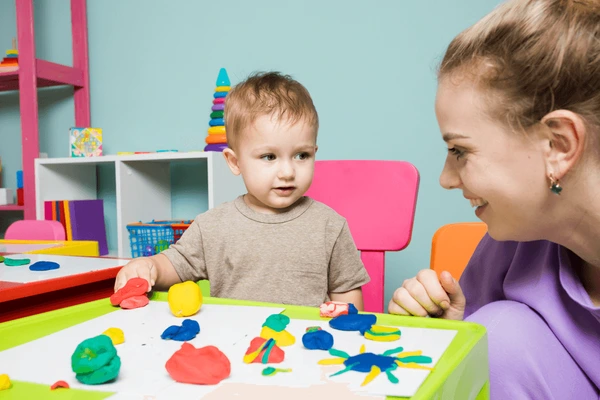
Crafting activities are powerful tools for enhancing creativity and critical thinking in children. They allow kids to express their ideas freely while experimenting with various materials. This exploration ignites their imagination, opening avenues for innovation. In crafting, children face challenges that require them to devise solutions to design hurdles or limitations in resources. By tackling these obstacles, they hone their problem-solving skills.
Fostering innovation through craft activities
The essence of innovation is embedded in the crafting process. As children engage in projects like building models or creating art, they’re prompted to think outside the box. The freedom to make choices in their designs nurtures their ability to brainstorm and implement creative solutions. For example, when tasked with a project using limited supplies, children learn to maximize their resources, fostering an innovative mindset.
Critical thinking enhancement through crafts
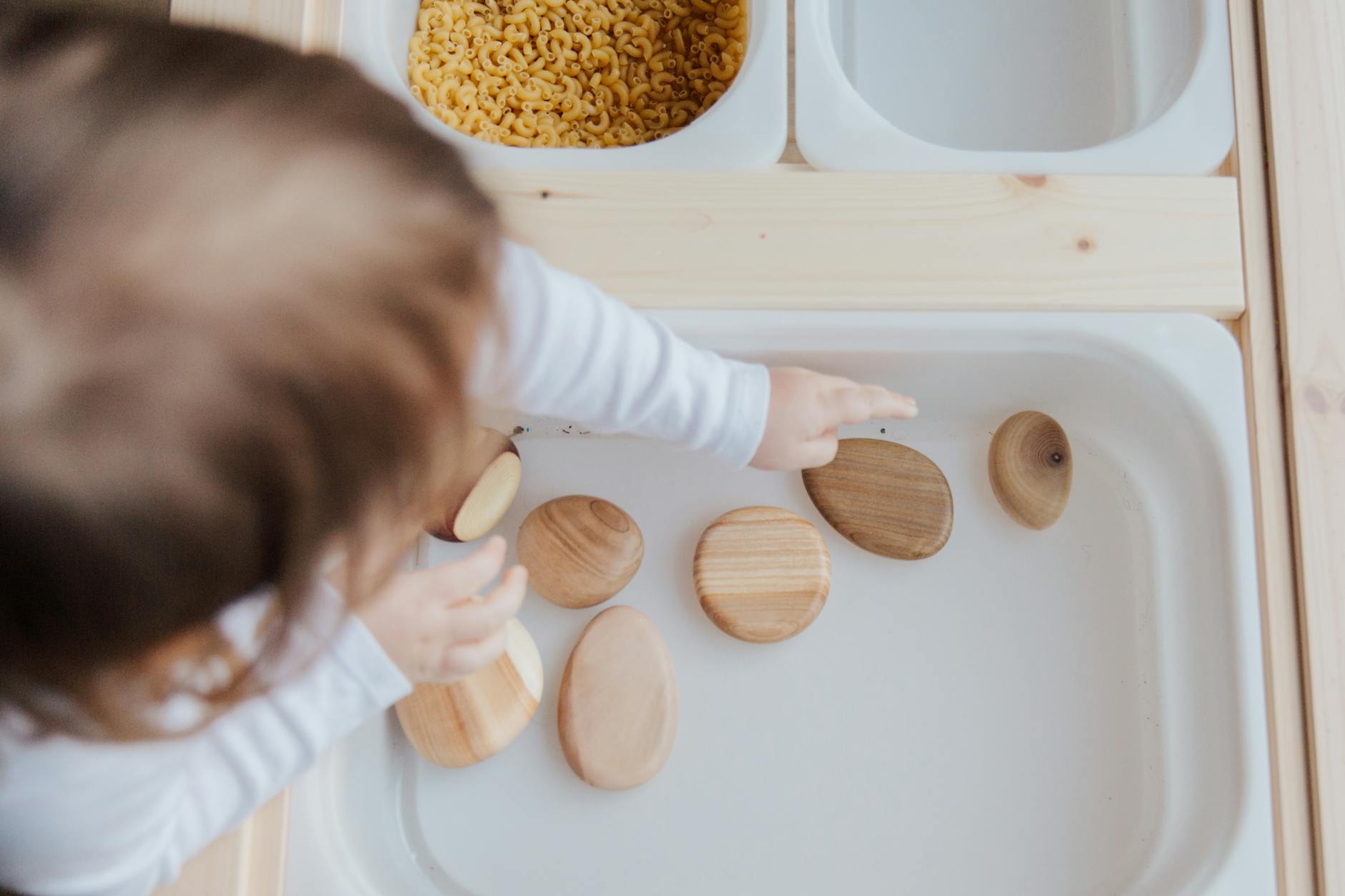
Crafting activities are also pivotal in enhancing critical thinking. As children manipulate materials, they develop fine motor skills and spatial awareness—both fundamental for analytical thinking. Activities that involve planning and executing a craft promote evaluation and adjustment, encouraging children to assess their work and explore new ideas based on feedback.
Building resilience through crafting challenges
Moreover, crafting instills resilience in young learners. As children navigate through the ups and downs of their projects—dealing with mistakes and redesigning—they cultivate adaptability. Celebrating the process of trial and error helps them embrace challenges, instilling confidence in their abilities. This resilience serves them well beyond the arts and crafts table, preparing them for diverse real-life scenarios where critical thinking and creativity are paramount.
Summary of Benefits of Craft Activities
| Benefit | Description |
|---|---|
| Enhances creativity | Encourages self-expression and innovative thinking |
| Develops problem-solving | Requires solutions for design challenges |
| Boosts critical thinking | Involves planning, evaluating, and refining creations |
| Fosters resilience | Teaches adaptation through navigating setbacks |
Crafting not only promotes cognitive growth in children but also instills lifelong learning skills that are essential as they navigate various aspects of life.
Practical Craft Activities to Foster Problem-Solving Skills

Hands-on Activities for Problem Solving
Craft activities serve as dynamic platforms for children to hone their problem-solving skills through engaging, hands-on experiences. These activities encourage critical thinking as students work through challenges, experimenting with materials to generate unique solutions. For instance, building structures with marshmallows and spaghetti not only tests their engineering skills but also pushes them to collaborate and iterate on their designs.
Creativity and Teamwork in Craft-Based Challenges
Collaborative crafting tasks foster important social skills. When children work together on projects, they practice communication and teamwork, essential elements in problem solving. For example, the egg drop challenge requires teams to design protective cases for an egg using specified materials, promoting creativity and strategic planning as they consider different angles and solutions.
Examples of Practical Crafting Activities
Here are some practical crafting activities that promote problem-solving skills in children:
| Activity | Objective | Skills Developed |
|---|---|---|
| Creating Puzzles | Children design their own puzzles, enhancing spatial reasoning and critical thinking. | Problem resolution, creativity |
| Building Structure Challenges | Using materials like popsicle sticks or LEGO to construct stable structures. | Collaboration, analytical skills |
| Egg Drop Challenge | Design and build a contraption to protect an egg from breaking when dropped. | Teamwork, adaptability |
| Design a Boat | Construct a boat that can float using limited materials to explore buoyancy concepts. | Engineering thinking, creativity |
| Recycled Art Projects | Use recyclable materials to create a piece of art, encouraging resourcefulness and innovation. | Environmental awareness, creativity |
Engaging in these hands-on projects not only sharpens cognitive skills but also nurtures creative and innovative thinking, preparing children for future challenges.
Integrating Craft Projects into Educational Frameworks
Crafting in Educational Settings
Craft projects serve more than just a creative outlet in classrooms; they are a bridge to developing essential problem-solving skills for students. Through crafting, children engage in hands-on experiences that allow them to experiment and learn through trial and error. This tactile method encourages creative expression while reinforcing concepts of cause and effect, which are vital for cognitive development.
Strategies for Incorporating Crafts into Teaching
Educators can effectively incorporate simple crafts into their teaching methodologies in several ways:
- Set Boundaries: By placing constraints on materials or design parameters, students can learn to navigate limitations. This approach fosters their ability to think creatively within a defined scope.
- Ask Open-ended Questions: Encouraging students to reflect deeply during crafting leads to richer exploration of ideas. Questions like "What happens if...?" prompt deeper thought and experimentation.
- Model Problem-solving: Showing students your own problem-solving process provides them with a working framework to approach their challenges. This includes thinking aloud about how to overcome obstacles in their projects.
Developing Problem-solving Skills through Classroom Crafts
Projects like building with LEGO or creating a collage empower children to visualize solutions and develop critical thinking. When students frame their crafting projects as adventures instead of tasks, they reduce anxiety and promote creativity. Through collaboration on group crafts, they learn communication and negotiation skills vital for teamwork. For instance, engaging in activities like the 'Pass the Picture' game cultivates collaboration and enhances their ability to work together toward a shared goal.
Integrating crafts into educational frameworks not only nurtures creativity but also equips children with the problem-solving skills necessary for their academic and personal growth.
The Role of Modeling and Storytelling in Problem Solving

Modeling Problem-Solving Processes
Modeling plays a crucial role in helping children grasp problem-solving concepts. Educators can guide students by verbalizing their thought processes while tackling real-life challenges. This approach not only demonstrates the steps involved in problem solving but also encourages students to articulate their reasoning during their projects. Visual aids, such as drawings or diagrams, can further enhance understanding and retention.
Interactive Storytelling for Cognitive Development
Interactive storytelling captivates children’s imagination and serves as a vital tool for cognitive development. By navigating various scenarios faced by characters, students practice critical thinking and problem-solving skills. This narrative approach not only makes learning engaging but also helps children learn to devise solutions collaboratively, simulating real-world challenges in a fun and creative setting.
Connecting Storytelling to Crafting Activities
Integrating storytelling with crafting activities provides children with a tangible way to express their understanding. For example, students can create visual representations of stories, which reinforces both their crafting abilities and comprehension of problem-solving concepts. Additionally, the hands-on aspect of crafts fosters creativity and allows children to experiment with different solutions, making their learning more impactful.
Promoting Collaboration and Communication through Art
Collaborative Crafting Projects
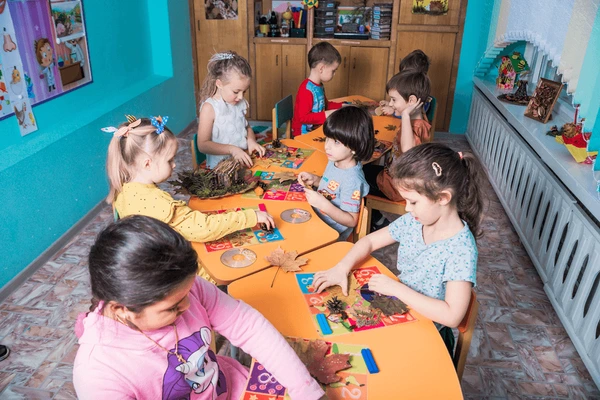
Crafting serves as an effective medium for children to engage in collaborative projects. Activities such as building a group mural or creating a shared sculpture promote teamwork, allowing students to merge their ideas and artistic visions into one cohesive piece. This collaborative approach not only enhances creativity but also teaches children how to negotiate and compromise with their peers.
The Importance of Communication in Crafting
Communication is at the heart of successful crafting collaborations. Children learn to articulate their thoughts and suggestions, fostering a sense of belonging and encouraging them to express their perspectives. By sharing ideas during crafting sessions, students can develop their vocabulary and engage in meaningful discussions about their creations.
Building Social Skills through Group Art Activities
Group art activities serve as a platform for developing essential social skills. As children work together on craft projects, they learn valuable lessons about patience, empathy, and respect for others’ viewpoints. This social interaction prepares them for effective collaboration in various contexts, reinforcing the idea that teamwork leads to innovative and successful outcomes.
Crafting a Growth Mindset and Future Skills
Long-term benefits of crafting
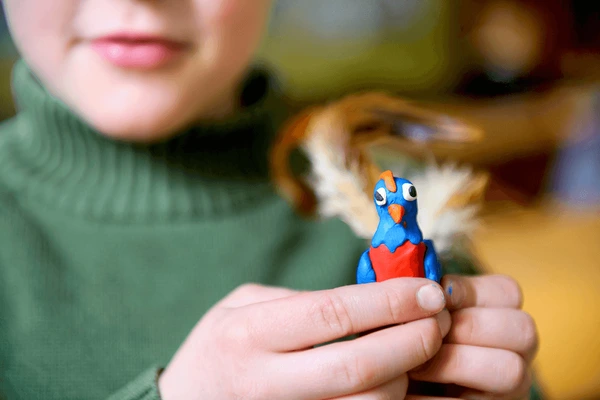
Crafting offers numerous long-term benefits for children, particularly in developing problem-solving abilities. Engaging in hands-on activities boosts confidence as children witness their tangible achievements. Such experiences foster creative exploration and encourage trial and error, essential for mastering new skills.
Developing 21st-century skills through crafts
Through crafting, children enhance vital 21st-century skills, including collaboration, communication, and critical thinking. Activities like group projects promote teamwork and teach children how to articulate their thoughts. Moreover, adjusting to constraints during craft projects encourages innovative solutions, which translates to real-world problem-solving.
Encouraging a growth mindset in children
Crafting also helps cultivate a growth mindset. By integrating opportunities for reflection and open-ended questioning, children learn that challenges are part of the learning process. This allows them to embrace mistakes as essential steps towards improvement, reinforcing their belief in their capabilities.
Crafts as a Gateway to Lifelong Skills
Crafting activities hold immense potential to transform the way children learn and develop essential skills for the future. By integrating crafts into educational settings, educators can nurture creativity, enhance problem-solving abilities, and foster a resilient, innovative mindset in students. As children navigate the challenges presented by crafting, they learn to embrace mistakes, collaborate with peers, and communicate effectively, setting the foundation for success in an ever-evolving world. Embracing crafting as a key component of teaching methodologies promises not only to make learning enjoyable but also to equip young minds with the tools they need to face future challenges with confidence and creativity.
References
- Word Problems with Monthly Crafts - Research and Play
- 9 Engaging Problem Solving Activities for Kids to Build Critical Skills
- 15 Fun Problem-Solving Activities for Growth Mindset - SplashLearn
- TIP #59: Your 4-Step Plan to Teach Kids Problem-Solving Through Art
- Daycare Crafts for Problem-Solving Skills
- 5 Simple Problem Solving Activities For Kids - Foxwell Forest
- Develop 21st century skills with crafts: fun activities to spark creative ...

























.avif)


.avif)


