
Introduction to Safety in Daycares
Ensuring the safety of children in daycare environments is a paramount concern. With myriad potential hazards present both indoors and outdoors, daycare centers must implement comprehensive safety measures. This article delves into how our daycare enforces safety rules, providing peace of mind for parents and a nurturing space for children.
The Importance of Safety in Daycares
Why is safety important in daycare?
Safety is crucial in daycare because it creates a secure environment that fosters children's development and gives families peace of mind. In family child care settings, safety management involves keeping home environments free from hazards while addressing the unique challenges of mixed-age groups.
Effective supervision ensures that caregivers can monitor children's activities actively, while maintaining appropriate adult-to-child ratios is essential for providing individualized attention. Implementing life-saving procedures like CPR and First Aid training, along with regular safety audits, ensures that caregivers react swiftly to emergencies.
Effective supervision and staff ratios
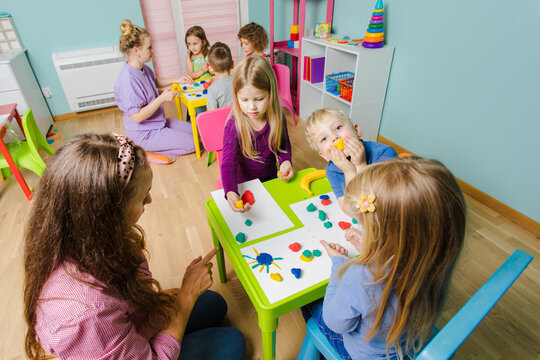
Establishing a safe environment in daycare settings also emphasizes the importance of effective supervision and proper staff ratios. The American Academy of Pediatrics recommends ratios that typically range from 1:3 for infants to 1:12 for older children, ensuring that each child receives adequate attention. Staff must consistently monitor playtime and activities to prevent accidents and manage potential hazards.
Emergency preparedness
Finally, emergency preparedness is a key component of safety in daycare. Daycare centers must conduct regular drills and implement comprehensive emergency plans that outline evacuation routes, designated safe areas, and staff responsibilities. This preparation minimizes risks and ensures that both staff and children are ready to respond efficiently in unforeseen situations.
By prioritizing safety, caregivers can enhance children's experiences and learning opportunities while maintaining a secure atmosphere.
Safety Checklists: Comprehensive Safety Assurance
Why are safety checklists important in early childcare environments?
Safety checklists are crucial in early childcare environments because they encompass various dimensions of safety, including Play Safety, Social Safety, and Health Safety. They help ensure that play areas are clean, toys are age-appropriate, and playground equipment is secure, all of which prevents accidents.
Additionally, the checklist highlights the importance of maintaining appropriate caregiver-to-child ratios, essential for minimizing injury or illness risks during social interactions. Health Safety measures, such as proper food storage and staff training for medication handling, are vital to mitigate health risks.
Overall, checklists provide actionable guidelines that help parents and providers create a safe environment, ensuring the well-being of children as they learn and grow.
Areas covered by safety checklists
Safety checklists in daycare settings typically cover several key areas, including:
| Area | Description | Importance |
|---|---|---|
| Play Areas | Ensure cleanliness, proper equipment, and age-appropriate toys | Prevents injuries and promotes safe play |
| Health Safety | Proper food storage, hygiene practices, and illness policies | Reduces health risks and spread of infections |
| Facility Security | Access control measures, surveillance, and emergency protocols | Protects children from unauthorized access and enhances safety |
| Emergency Preparedness | Drills and plans for fire, weather, and intruder situations | Ensures readiness for crises and swift action |
| Staff Training | CPR, first aid, and child development training | Equips staff with necessary skills for emergencies |
Implementing comprehensive safety checklists can significantly enhance the safety measures daycares employ, creating a secure environment conducive to children's learning and development.
Active Supervision and Monitoring
What are the guidelines for active supervision in childcare settings?
Active supervision in childcare settings is essential for ensuring the safety and well-being of children. Here are some vital guidelines:
- Direct Monitoring: Staff should maintain constant visual and auditory monitoring of children to promptly address any safety concerns.
- Adequate Ratios: Maintain appropriate staff-to-child ratios, which are crucial for effective supervision.
- Individualized Attention: Adjust supervision based on each child's needs, especially for those with disabilities or health issues.
- Clear Policies: Establish detailed written policies that cover supervision protocols during different activities, including indoor and outdoor play, mealtime, and rest periods.
- Emergency Preparedness: Implement comprehensive emergency preparedness plans, conduct regular drills, and ensure that all staff are well-trained in emergency response protocols.
- Hygiene Practices: Regular cleaning and staff adherence to proper handwashing techniques help mitigate illness risks in daycare environments.
Importance of maintaining visual and auditory monitoring
Maintaining visual and auditory monitoring is pivotal for children's safety. Staff vigilance allows for immediate intervention if a child is in distress or engages in unsafe behaviors. Monitoring also helps in promoting a positive interaction environment, where caregivers can support children's social and emotional development through close engagement. Furthermore, consistent supervision aids in recognizing early signs of distress or illness, ensuring that health issues are promptly addressed before they escalate. In essence, effective active supervision significantly reduces injury risks and creates a secure and nurturing atmosphere for young children.
Ensuring Child Safety: Our Procedures
Approaches to maintaining a safe environment
Ensuring the safety of children in daycare settings involves multiple layers of precautions and protocols. Active supervision is a cornerstone of our approach, where caregivers constantly monitor children to prevent accidents. This is especially critical in high-risk areas like playgrounds, where equipment such as swings and climbing structures pose potential hazards.
In addition to supervision, staff training is imperative. All caregivers undergo comprehensive training in first aid and emergency preparedness, empowering them to respond effectively to any accidents or incidents. Regular safety drills are conducted to familiarize both staff and children with evacuation routes and procedures during emergencies, ensuring everyone knows what to do when it really matters.
Routine inspections and equipment maintenance
Routine inspections are key to maintaining a safe environment. We employ qualified personnel to regularly assess playground equipment for safety and proper functioning. This includes checking for wear and tear and ensuring that ground surfaces are cushioned to minimize fall risks.
Furthermore, we adhere to strict hygiene protocols, sanitizing toys and high-touch surfaces regularly to prevent illness. Communication with parents about safety measures and protocols is prioritized, ensuring they understand our evacuation plans and health practices. By fostering a culture of safety, we create an environment where children can explore and grow with peace of mind.
Staff Training and Emergency Preparedness
Essential certifications for staff
To ensure a safe environment in daycare centers, it is crucial that all staff members are properly trained in essential safety certifications. Caregivers are required to hold valid certifications in First Aid and CPR specifically tailored for pediatric care. This training prepares them to respond effectively to medical emergencies involving children, equipping them with the skills necessary to manage injuries or illness when they arise.
Moreover, ongoing training is mandated to keep staff updated on best practices regarding health, safety, and emergency protocols. This continuous education ensures that caregivers remain knowledgeable about the latest safety standards and can implement them consistently.
First aid and emergency protocols
In addition to certification requirements, daycare centers must develop comprehensive emergency preparedness plans. These plans should outline procedures for various scenarios including natural disasters, health crises, and intruder alerts. Regular emergency drills are conducted to familiarize both staff and children with evacuation routes and protocols, allowing for a swift and organized response during actual emergencies.
Proper communication and documentation of safety policies is also essential. Incident/Illness Reports must be completed for any injuries, ensuring that parents are informed and that staff can assess risks and response measures effectively. With well-trained staff and robust emergency protocols in place, daycare centers can provide a heightened level of safety and reassurance for both children and parents alike.
Security Measures and Access Controls
Security Protocols for Restricting Access
Daycare centers implement rigorous security measures to ensure the safety of children. Strict drop-off and pick-up procedures require parents to sign children in and out, which guarantees that only authorized individuals can retrieve them. To enhance security, children are released only to those listed in their care records, preventing unauthorized pickups.
Additionally, the physical layout of daycare facilities is designed with security in mind. Facilities often utilize locked entrances and may employ keypads or biometric scanners to limit access. Each family is assigned a personal entry code that is deactivated when they terminate care, maintaining stringent access control.
Technological Implementations Like CCTV and Entry Systems
Technological solutions also play a crucial role in enhancing safety. CCTV cameras are installed throughout the daycare, monitoring various areas including entryways and classrooms. This allows staff to observe activities continuously and provides a means to review incidents if they occur.
The integration of call stations at entrances facilitates communication between staff and parents, ensuring that all interactions are monitored. Such technology not only deters potential intruders but also fosters a secure environment where children can thrive.
Health Regulations and Wellness Policies
Hygiene Protocols and Illness Prevention
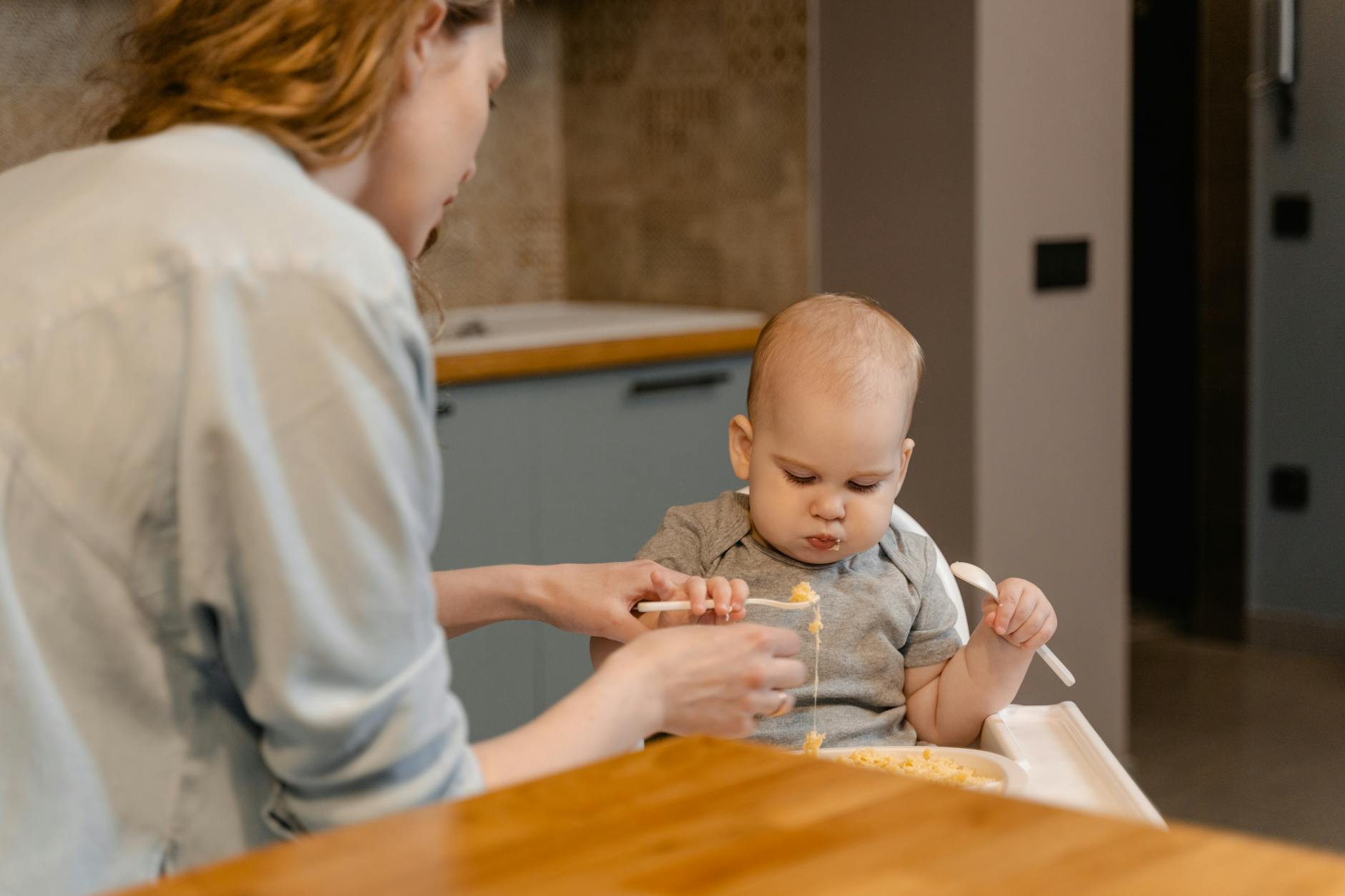
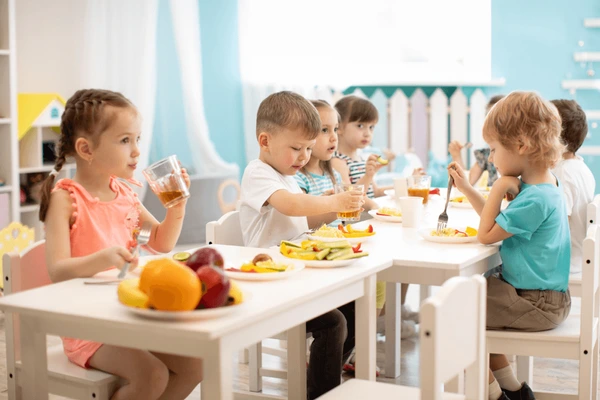
Daycare centers prioritize hygiene to create a safe environment for children. Staff and children are required to follow strict handwashing practices at key moments, such as upon arrival, after using the restroom, and before meals. Regular sanitization protocols ensure that toys, surfaces, and common areas are cleaned frequently, reducing the risk of disease spread. Furthermore, to maintain a healthy atmosphere, daycares enforce illness policies that prohibit children with symptoms like high fevers from attending until they are symptom-free for at least 24 hours.
Nutritional Policies and Allergy Management
Nutrition plays a crucial role in wellness policies within daycare settings. Meals are typically prepared from scratch, and dietary restrictions are carefully managed. Child allergies are documented using tools like the Brightwheel app, ensuring all staff are informed about specific needs during meal times. Teachers receive training to handle food allergies appropriately, promoting safety and well-being among children during snacks and meals. These rigorous protocols help create a supportive environment that safeguards against potential health risks.
Final Thoughts on Daycare Safety
Safety in daycare centers is a comprehensive effort involving detailed policies, staff training, and emergency preparedness. Through robust security measures, active supervision, and the enforcement of health protocols, our daycare ensures a secure environment where children can thrive. Continuous evaluation and the adoption of the latest safety practices remain our top priorities, guaranteeing peace of mind for parents and a fostering atmosphere for children's growth and development.
References
- How Our DayCare Enforces Safety Rules - Playto
- How Is Child Care Regulated to Ensure Children's Health and Safety?
- 8 Daycare Security Measures You Need to Take | Procare Solutions
- Safety in Family Child Care Settings: An Overview - Virtual Lab School
- Safety Practices | ECLKC - HHS.gov
- 5 Ultimate Child Care Safety Tips You Should Use Immediately
- Health & Safety Standards - My Childcare Academy
- The Importance of Child Care Safety Protections
- Child Care Safety
























.avif)


.avif)


