Promoting Life Skills in Daycare
In a daycare environment, it's crucial to focus on activities that promote the development of essential life skills in young children. Two key areas that play a significant role in this development are reading and numeracy activities, and artistic expression combined with problem-solving tasks.
Reading and Numeracy Activities
Integrating reading and numeracy activities into the daily routine of daycare helps children enhance their cognitive abilities and build a strong foundation for future learning [1]. By engaging in fun and interactive reading sessions and numeracy tasks, children not only improve their literacy and numeracy skills but also develop a love for learning.
Through reading activities, children are exposed to language, vocabulary, and storytelling, fostering their communication skills and expanding their imagination. Similarly, numeracy activities introduce children to basic math concepts, helping them develop problem-solving abilities and critical thinking skills.
Artistic Expression and Problem-Solving
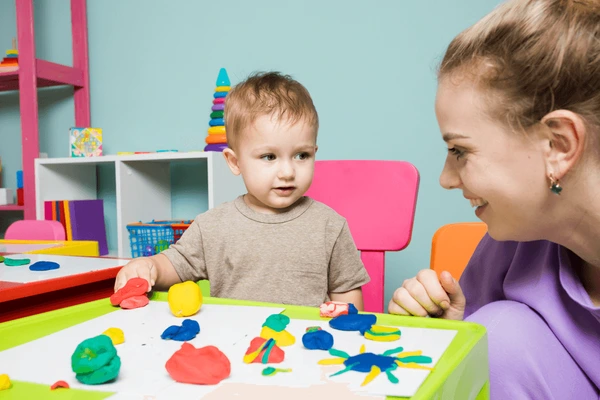
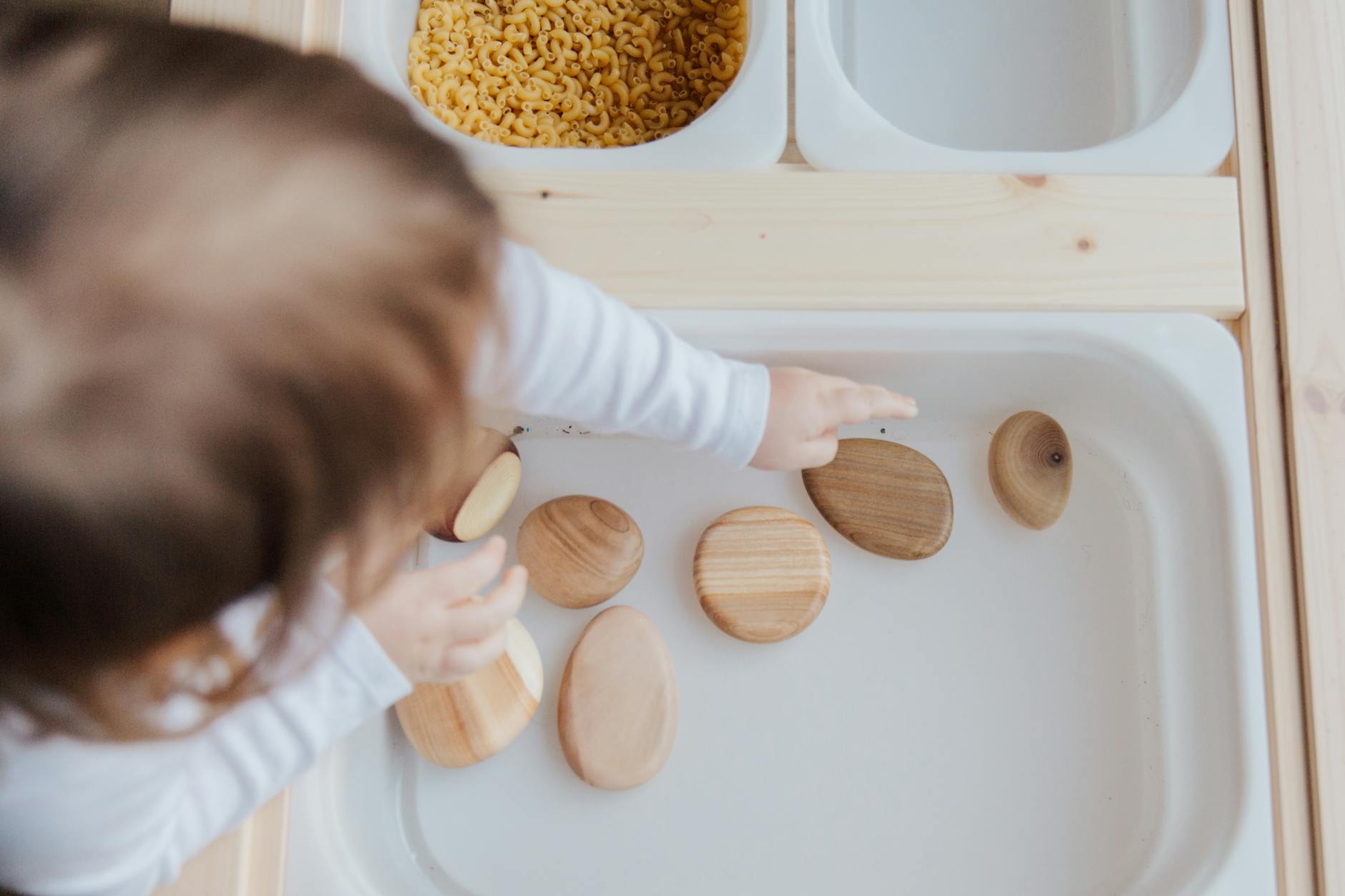
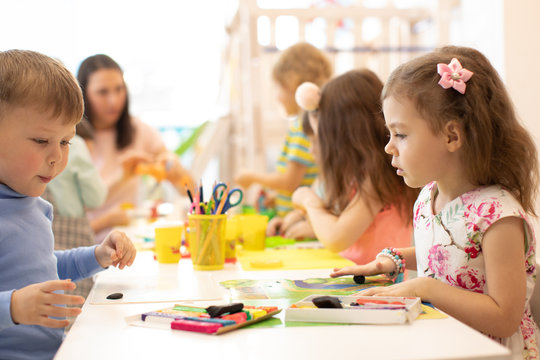
Artistic expression and problem-solving tasks form a crucial part of daycare activities, allowing children to unleash their creativity and enhance their cognitive skills [1]. By engaging in art projects, children can express themselves, explore different mediums, and develop their fine motor skills.
Problem-solving tasks incorporated into art activities encourage children to think critically, analyze situations, and find creative solutions. This not only boosts their problem-solving skills but also nurtures their ability to think outside the box and approach challenges with confidence.
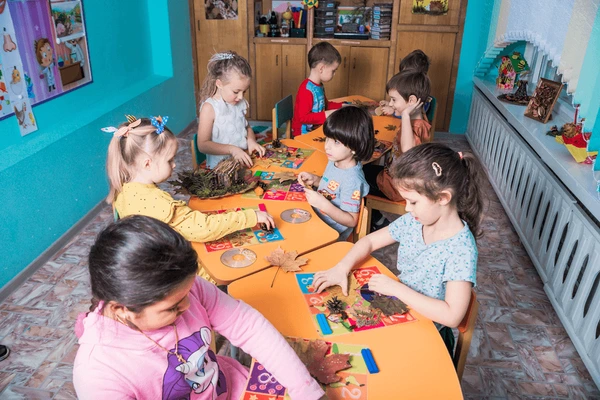
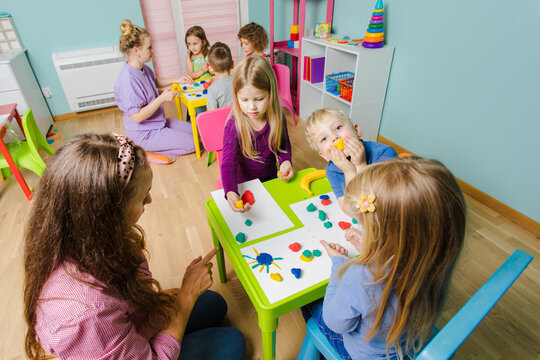
Art and craft sessions in daycare settings not only stimulate creativity and fine motor skills but also play a significant role in developing children's social skills. Through collaborative art projects, children learn to communicate effectively, work in teams, manage emotions, and build relationships with their peers.
The blend of artistic expression and problem-solving in daycare crafts fosters an environment where children can express themselves freely, develop resilience, and learn to navigate and overcome various challenges they encounter, laying a strong foundation for their emotional and cognitive growth.
Fostering Independence in Children
In the daycare setting, building independence in children is a crucial aspect of their growth and development. It plays a significant role in enhancing their confidence, decision-making skills, and resilience. By encouraging independence, children are empowered to handle tasks on their own, leading to increased self-esteem and readiness to face future challenges [3].
Building Confidence and Decision-Making
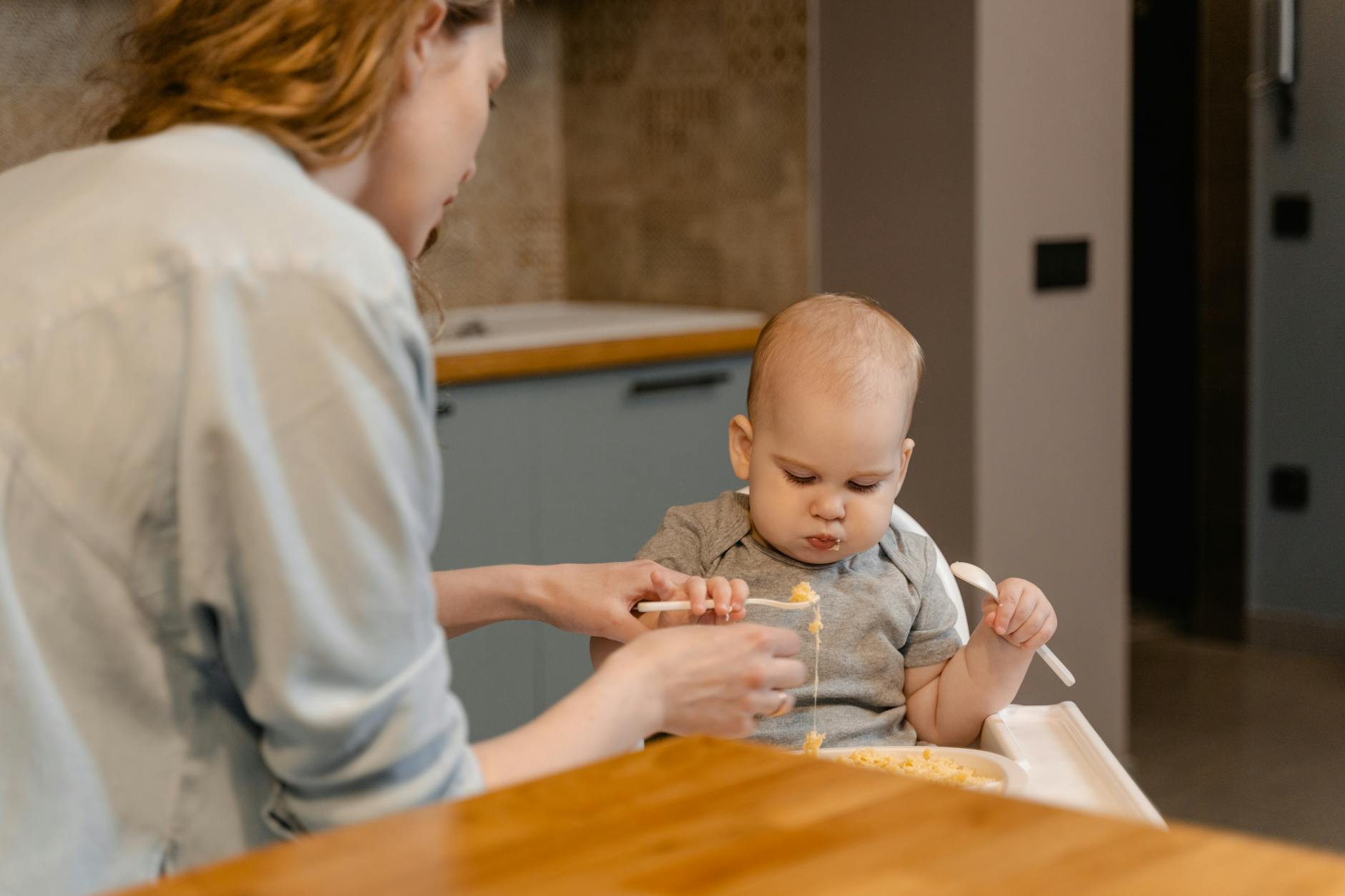
Fostering independence in children through age-appropriate tasks is an effective way to nurture their confidence and decision-making abilities. By involving children in simple chores like setting the table, sorting laundry, or feeding pets, they learn responsibility, teamwork, and gain a sense of accomplishment. Providing opportunities for decision-making and offering limited choices in the daycare environment empowers children to take charge of their actions and learning process. It allows them to become active participants in their development journey, leading to increased self-assurance and autonomy.
Encouraging Responsibility and Teamwork
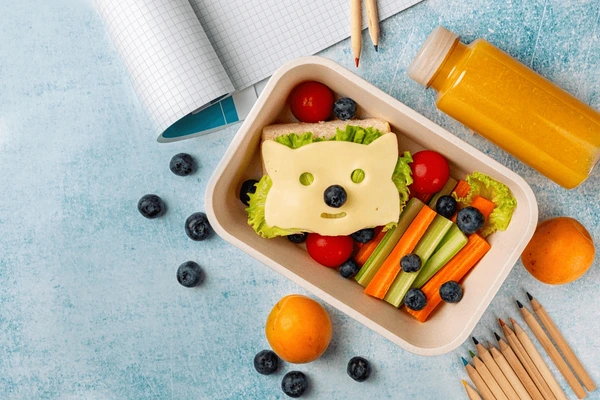
Engaging toddlers in various tasks and offering choices, such as selecting their pajamas or picking healthy snacks, can empower them and reduce power struggles. This involvement fosters autonomy and independence, contributing to the overall development of responsibility and self-reliance. Caregivers play a vital role in strengthening preschoolers' independence by encouraging them to participate in projects and activities like coloring, building, puzzles, and crafts. These activities instil a sense of achievement, boost self-esteem, and promote resilience, enhancing the children's holistic growth and wellbeing in the daycare environment.
By creating a nurturing atmosphere that encourages independence and self-reliance, daycare centres can help children develop essential life skills and prepare them for future challenges. Emphasizing the importance of building confidence, making informed decisions, taking on responsibilities, and collaborating with peers fosters a supportive and empowering environment where children can thrive and develop into confident, independent individuals.
Importance of Self-Regulation in Daycare
Developing self-regulation skills is a crucial part of a child's early learning journey. It enables them to understand their emotions, control their impulses, and interact effectively with others. In a daycare setting, teaching self-regulation skills plays a vital role in creating a harmonious and supportive environment for all children.
Teaching Self-Regulation Skills
According to brightwheel, preschoolers can independently manage their emotions and behavior when taught self-regulation effectively. This results in reduced disruptive behavior and increased collaboration in the classroom. Self-regulation is a foundational skill that helps children comprehend their surroundings and calmly handle their emotions and behaviors as their brains rapidly mature during early childhood.
Implementing self-regulation strategies may present challenges, especially when dealing with a group of 3 to 5-year-olds with varying emotions. However, with dedication and consistency, it is possible to guide children towards self-regulation success.
Reading books to children about self-regulation can have a significant impact on their ability to manage emotions effectively. By introducing characters that exemplify successful and unsuccessful self-regulation, children can learn valuable lessons and techniques for handling their emotions in a constructive manner.
Structured Learning Environments for Self-Regulation
Creating a structured learning environment within daycare settings is essential for helping children regulate their behavior. Routine and consistency enable children to predict the next activity, fostering a sense of security and stability. With this predictability, children can smoothly transition from one task to another, reducing uncertainty and promoting self-regulation.
By establishing clear boundaries, providing visual schedules, and offering consistent routines, daycare providers can support children in developing self-regulation skills. A structured environment not only aids in managing behavior but also provides children with a sense of stability, which is crucial for their emotional well-being and growth.
Incorporating activities that encourage mindfulness, such as deep breathing exercises and quiet reflection, can further enhance self-regulation skills. By offering opportunities for children to pause, reflect, and regulate their emotions within a safe and supportive environment, daycare centres can foster an atmosphere that supports the development of self-regulation skills in young children.
Developing Patience through Crafts
Engaging children in arts and crafts activities not only provides them with a creative outlet but also serves as a valuable tool for building patience and self-regulation. Through these activities, children can learn to wait, follow instructions, and persist through challenges, fostering essential life skills.
Benefits of Arts and Crafts
Art and craft activities offer numerous benefits for children's development, including cultivating creativity, improving fine motor skills, and enhancing problem-solving abilities. According to LinkedIn, when children engage in arts and crafts, they not only develop their motor skills by operating craft kits but also enhance bilateral coordination by learning to use both hands simultaneously.
These activities provide a platform for children to express themselves creatively, experiment with new ideas, and explore different materials. As they work on their craft projects, children learn to focus, concentrate, and refine their fine motor skills through cutting, gluing, and painting.
Cultivating Creativity and Problem-Solving
When children participate in arts and crafts, they are encouraged to think critically, make decisions, and solve problems creatively. The process of planning and executing a craft project teaches children to organize their thoughts, set goals, and work towards achieving them.
Moreover, the sense of accomplishment that comes with completing a craft project boosts children's self-esteem and confidence. According to LinkedIn, quality time spent with parents during arts and crafts activities can help children build strong relationships and create lasting memories. This positive reinforcement promotes the development of patience and self-regulation as children learn to appreciate the process of creating art, even if it involves making mistakes.
By encouraging children to engage in arts and crafts regularly, caregivers and educators can play a significant role in nurturing patience, self-regulation, and resilience in young learners. These activities not only foster creativity and problem-solving skills but also lay the foundation for important life skills that children can carry forward into their future endeavors.
Social Skills Development in Daycare
In a daycare setting, the development of social skills plays a crucial role in shaping a child's emotional intelligence and communication abilities. Through engaging in arts and crafts activities, children have the opportunity to cultivate these skills in a creative and supportive environment.
Emotional Intelligence and Communication
Participating in arts and crafts significantly enhances children's social skills by integrating social-emotional learning (SEL) into their activities. Children learn to manage emotions, cultivate empathy, and build positive relationships through participative experiences in music, dance, and visual arts.
Arts activities provide a platform for children to express themselves creatively, share their thoughts and feelings, and practice active listening with peers. This process not only nurtures their emotional intelligence but also fosters effective communication skills that are essential for building strong relationships and resolving conflicts constructively.
To further enhance emotional intelligence and communication, it's important for caregivers and educators to encourage open dialogue, provide opportunities for self-expression, and model positive communication behaviours within the daycare environment. By creating a safe and supportive space for children to express themselves, daycare centres can empower them to develop valuable social skills that will benefit them throughout their lives.
Group Activities and Empathy Building
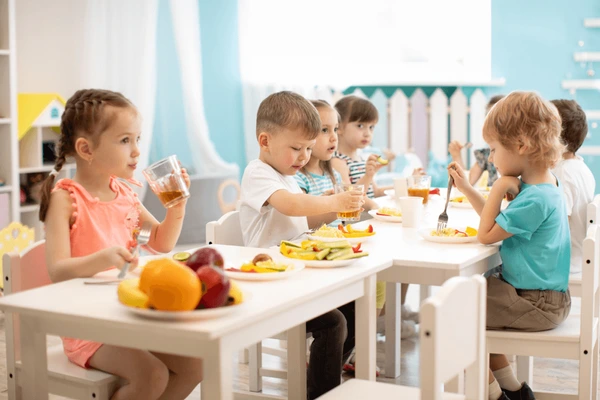
Engagement in arts activities fosters social cooperation among children, nurturing a sense of community and teaching them to communicate openly, resolve conflicts, and share responsibilities. Group projects encourage teamwork, effective communication, and support among children.
By collaborating on art projects, children learn to appreciate each other's ideas, work together towards a common goal, and respect each other's contributions. This collaborative process not only fosters a sense of belonging and inclusivity but also strengthens their capacity for empathy and understanding.
Arts and crafts activities create unique pathways for children to develop empathy. By discussing emotions expressed through art or exploring different perspectives during collaborative projects, children learn to recognize and appreciate others' feelings, strengthening their emotional understanding.
Encouraging group activities where children must collaborate, communicate, and support each other not only enhances their social skills but also instills important values of teamwork and empathy. These experiences contribute to the holistic development of children in daycare, preparing them for successful interactions and relationships in the future.
Supporting Children with ADHD and Anxiety
When it comes to supporting children with ADHD and anxiety in a daycare setting, educators and caregivers face unique challenges and require specific guidance. Children with ADHD or anxiety may find it particularly challenging to manage their emotions and need more help to develop emotional regulation skills. It is essential to provide support and guidance for these children to build their emotional self-regulation abilities.
Challenges and Guidance
Children with ADHD often struggle with attention, hyperactivity, and impulsivity, while those with anxiety may experience constant worry and fear. These challenges can manifest in behavioral difficulties and emotional outbursts, affecting their interactions with peers and caregivers. Understanding the underlying causes of these behaviours and providing a supportive environment are crucial steps in helping these children navigate their emotions and behaviors effectively [4].
Caregivers and educators should offer consistent guidance, clear expectations, and positive reinforcement to help children with ADHD and anxiety feel supported and valued. By creating a structured and nurturing environment, children are more likely to develop coping strategies and emotional regulation skills that empower them to manage their emotions in a healthy way.
Strategies for Emotional Regulation
Implementing tailored strategies for emotional regulation is vital for children with ADHD and anxiety. Encouraging mindfulness and meditation practices can help these children become more self-aware and reflective, enabling them to better regulate their emotions and responses to stimuli. Additionally, parent training programs and dialectical behavior therapy (DBT) are available options to assist children in improving their emotional regulation skills [4].
Incorporating activities that promote emotional awareness, such as journaling, deep breathing exercises, and sensory play, can also aid children in developing self-regulation skills. Providing a safe space for children to express their feelings and emotions without judgment fosters a sense of security and encourages open communication.
By offering guidance and implementing effective strategies for emotional regulation, caregivers and educators can support children with ADHD and anxiety in building essential life skills that will benefit them both in the daycare setting and beyond. Nurturing a positive and inclusive environment where all children feel understood and supported is key to their emotional well-being and development.
Coaching Children through Difficult Situations
When it comes to nurturing children's emotional regulation skills, one effective approach is through coaching children during challenging moments. By providing the right support and guidance, children can learn to manage their emotions and make better choices. This process involves two key aspects: scaffolding for emotional regulation and encouraging self-reflection to foster improved decision-making skills.
Scaffolding for Emotional Regulation
Scaffolding, as described by the Child Mind Institute, is a method that involves guiding children through difficult situations until they can regulate their emotions effectively. It entails providing a supportive framework for children to lean on as they navigate challenging moments. Through scaffolding, adults can help children build the necessary skills to regulate their emotions independently over time.
By offering encouragement, reassurance, and strategies to cope with overwhelming emotions, caregivers in daycare settings can create a safe environment where children feel supported in managing their feelings. Scaffolding allows children to develop resilience and emotional strength gradually, empowering them to face adversity with confidence.
Encouraging Self-Reflection and Better Choices
Encouraging self-reflection is another essential component of coaching children through difficult situations, as highlighted by the Child Mind Institute. Parents, teachers, and daycare providers can help children become self-reflective by approaching impulsive behavior calmly and providing constructive feedback.
By prompting children to reflect on their actions, understand why a situation unfolded the way it did, and explore alternative responses, adults can support children in making better decisions in the future. This process enables children to learn from their experiences, take ownership of their emotions, and develop effective coping mechanisms.
Through self-reflection, children in daycare settings can enhance their emotional intelligence, problem-solving skills, and self-awareness. By fostering a culture of reflection and accountability, caregivers can empower children to navigate challenging situations with resilience and make positive choices that contribute to their emotional growth and well-being.
Coaching children through difficult situations in daycare not only promotes emotional regulation but also equips children with essential life skills that will serve them well into adulthood. By offering gentle guidance, understanding, and opportunities for self-discovery, caregivers can create a nurturing environment where children can learn, grow, and thrive emotionally.
Mindfulness and Meditation for Self-Regulation
When it comes to fostering effective self-regulation in young children, incorporating mindfulness and meditation practices can play a crucial role. These practices not only aid in developing self-awareness but also enable children to regulate their emotions more effectively. In the context of a daycare setting, engaging children in mindful activities and teaching them meditation techniques can contribute significantly to their emotional well-being and overall behaviour.
Mindful Practices for Children
Introducing mindful practices to children at daycare can help them cultivate a sense of calmness and awareness. Activities such as deep breathing exercises, guided imagery, and sensory awareness can assist children in recognizing and managing their emotions. By incorporating these practices into the daily routine, children can learn to pause and reflect before reacting impulsively, thus building essential self-regulation skills.
Reading books that exemplify self-regulation through characters experiencing various emotions can also be a powerful tool in teaching children how to handle their feelings effectively. Stories that showcase successful and unsuccessful self-regulation can provide valuable lessons for young minds, influencing their emotional responses in a positive manner.
Additional Resources for Emotional Regulation
The benefits of mindfulness and meditation extend beyond the daycare environment. Additional resources, such as parent training programs and dialectical behavior therapy (DBT), are available options to further support children in enhancing their emotional regulation skills. These resources offer tools and strategies that can be implemented both at home and in daycare settings to assist children in managing their emotions and behaviours more effectively.
Embracing mindfulness and meditation practices within the daycare curriculum can have a lasting impact on children's self-regulation abilities. By providing them with the tools to cultivate self-awareness and emotional resilience, daycare centres create a nurturing environment that promotes healthy emotional development and positive social interactions. Through these practices, children can learn to navigate their emotions with greater ease, fostering a sense of inner peace and well-being that extends into their daily lives.
References
[1]: https://www.playto.com/blog/teaching-basic-life-skills-in-daycare
[2]: https://www.playto.com/blog/how-arts-crafts-foster-social-skills-in-daycare-kids
[3]: https://www.playto.com/blog/encouraging-independence-in-daycare-children
[4]: https://childmind.org/article/can-help-kids-self-regulation/

























.avif)


.avif)


