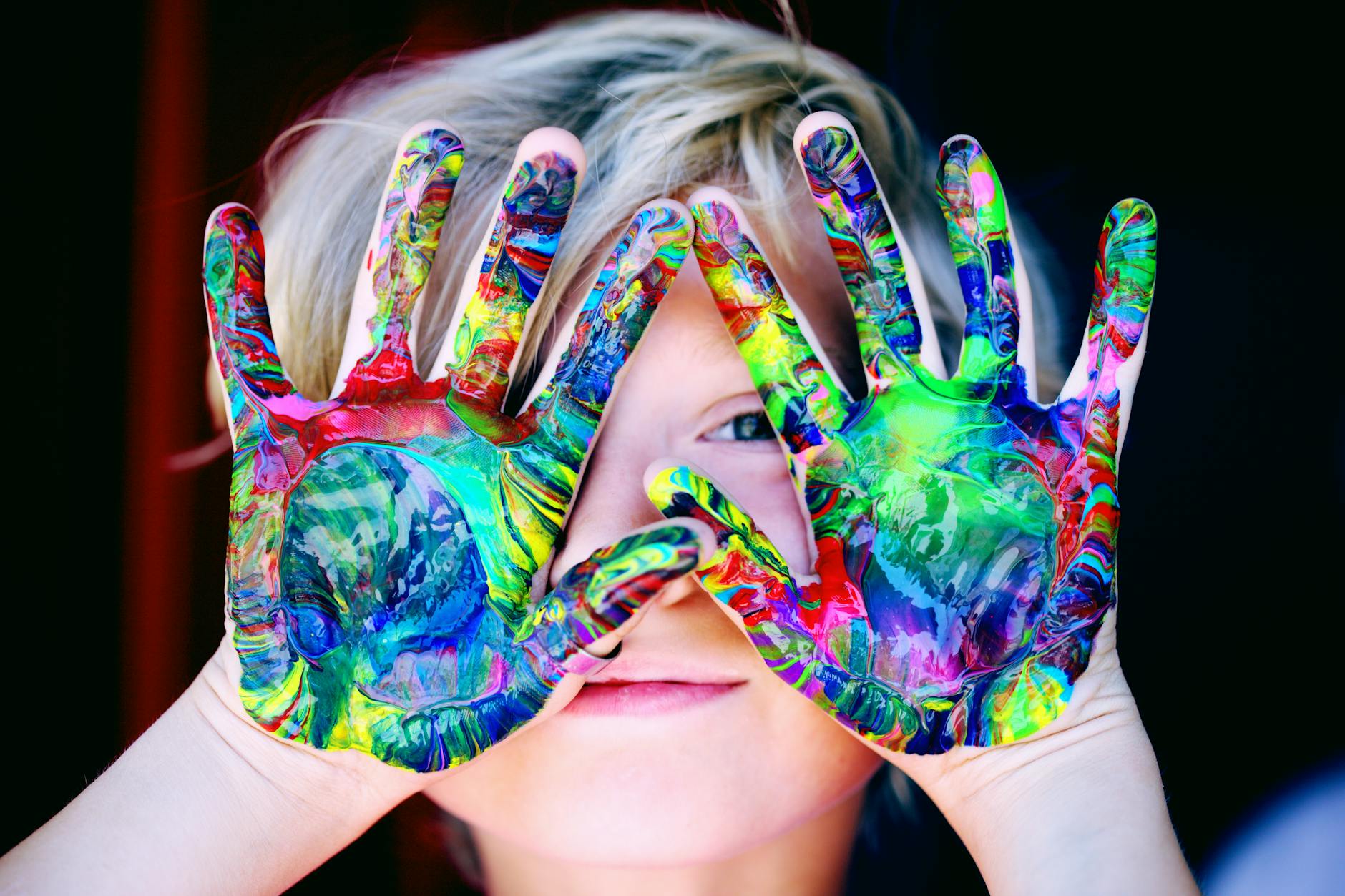
Importance of Art in Early Childhood
Art plays a significant role in the development and well-being of young children. The educational benefits of engaging in art activities are vast, fostering both cognitive growth and emotional well-being.
Educational Benefits of Art
Art exploration in early childhood is more than just fun; it is also highly educational. When children engage in unrestricted art activities, they form connections in their brain, learn, and have fun simultaneously. Through art, children practice a wide range of skills that are not only useful in daily life but also aid in their learning process. Skills such as critical thinking, decision-making, and problem-solving are honed through participation in art activities [1].
Art provides a creative outlet for children to express themselves, fostering creativity and imagination. This not only enhances their artistic abilities but also promotes skills that are essential for their holistic development.
Emotional Well-being Through Art
In addition to the educational benefits, art plays a crucial role in promoting emotional well-being in children. Free expression through art is a powerful tool that aids in overall mental health. Artistic expression allows children to relieve stress and work through emotions or situations in their lives. Encouraging a child's artistic journey can help cultivate emotional well-being and develop vital emotional regulation skills, providing them with a constructive way to cope with their feelings [1].
By engaging in art activities, children not only enhance their cognitive abilities but also build resilience, self-awareness, and empathy. Art serves as a therapeutic medium that allows children to express themselves, understand their emotions, and navigate the complexities of their inner world. It is through these creative outlets that children learn to communicate, manage their emotions, and develop a strong sense of self.
Skills Development in Art Activities
Art activities play a crucial role in fostering various skills in children, particularly in the realms of critical thinking and problem-solving, as well as cognitive development and self-directed learning.
Critical Thinking and Problem-Solving
Engaging in art activities provides children with opportunities to practice critical thinking, decision-making, and problem-solving skills, all of which are vital for their overall development. When children are encouraged to explore and create freely through art, they learn to think imaginatively and develop solutions to artistic challenges. This process not only boosts their creativity but also enhances their ability to analyze, evaluate, and make decisions in a holistic manner.
Cognitive Development and Self-directed Learning
Art activities cater to children of all ages and promote exploration, learning, and self-expression, contributing significantly to their cognitive development [2]. By engaging in creative pursuits such as painting, drawing, and sculpting, children not only refine their fine motor skills but also improve their cognitive abilities. These activities stimulate brain connections, enhance memory retention, and encourage self-directed learning [3].
Artistic endeavors like drawing emotions can be particularly effective in helping children identify and express their feelings. Encouraging children to draw or create visual representations of different emotions they experience aids in their emotional awareness and cognitive development. Through such activities, children learn to recognize and articulate their emotions, fostering a deeper understanding of their inner world and enabling them to communicate their feelings more effectively.
By incorporating art into daycare settings, caregivers can provide children with a platform for honing critical thinking, problem-solving, cognitive development, and self-directed learning skills. Art not only stimulates creativity but also nurtures various cognitive abilities essential for children's growth and development.
Enhancing Social and Emotional Health
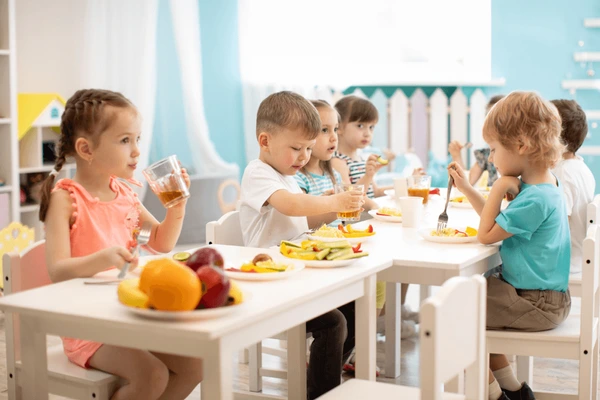
In daycare settings, the use of art as a tool for enhancing social and emotional health is widely recognized as beneficial for children's development. Through art, children can express their emotions in a safe and creative way, fostering emotional expression and self-awareness. Moreover, art has a profound impact on mental well-being, helping children build resilience and cope with various challenges they may encounter.
Artistic expression serves as a means for children to communicate their feelings, thoughts, and experiences visually. By engaging in art activities, children learn to identify and express their emotions, leading to improved emotional intelligence and a deeper understanding of their internal world. This process of self-expression through art can provide a therapeutic outlet for children to release pent-up emotions and process complex feelings.
Furthermore, the act of creating art can have a positive influence on children's mental well-being. According to Michigan State University Extension, free expression through art is beneficial for overall health and well-being in children. Art enables children to explore their creativity, reduce stress, and work through personal challenges, promoting a sense of emotional balance and mental wellness.
By encouraging children to engage in art activities that focus on emotional expression and reflection, daycare providers can contribute significantly to the social and emotional development of children. These experiences not only nurture creativity and self-expression but also equip children with valuable coping mechanisms and emotional regulation skills that will benefit them throughout their lives.
Art as a Therapeutic Tool
Art activities can serve as a powerful outlet for emotions, aiding children in expressing and coping with emotions that they may find challenging to articulate verbally. Through creative expression, children can externalize their thoughts and feelings, fostering emotional awareness and insight. This process allows children to view their emotions as separate entities, assisting them in coping with the stresses of growing up.
Utilizing art as a therapeutic tool in daycare settings can have a profound impact on emotional growth. Engaging in art activities provides children with a safe and non-judgmental space to explore and process their emotions creatively. Research indicates that art activities during early childhood have positive effects on social-emotional development, promoting emotion regulation and social skills development. Children can enhance their emotional intelligence by engaging in art activities that encourage self-expression and reflection.
Drawing and Identifying Emotions
An effective strategy for promoting emotional regulation through art is to encourage children to draw their emotions. By inviting children to create visual representations of their feelings, such as joy, anger, sadness, or fear, they can begin to name and identify their emotions. This process allows children to better understand and express their internal experiences, fostering self-awareness and emotional literacy. Sharing these drawings with others can facilitate discussions about emotions, helping children gain insights into their feelings and experiences [4].
Writing and Expressing Feelings
In addition to drawing emotions, encouraging children to write or verbalize their feelings can be a valuable tool for emotional regulation. By expressing their emotions through words, children can articulate their internal experiences, enhance their communication skills, and develop a vocabulary for emotions. Providing children with a platform to express their feelings through writing or verbal expression can empower them to communicate their needs and emotions effectively [4].
By integrating art activities that focus on expressing and processing emotions into daycare curricula, educators can create a supportive environment that nurtures children's emotional well-being. Art can effectively function as a therapeutic medium for children to explore, understand, and regulate their emotions, fostering emotional growth and resilience.
Art Activities in Daycare Settings
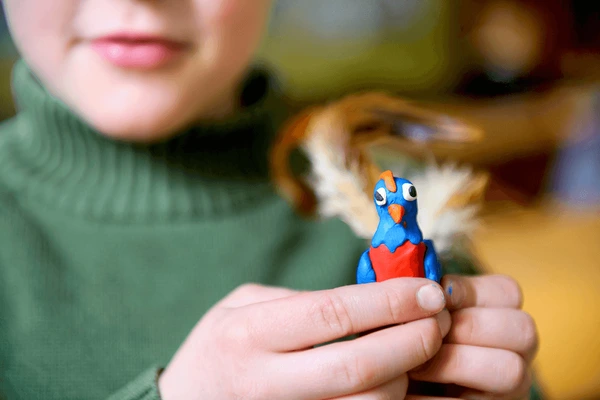
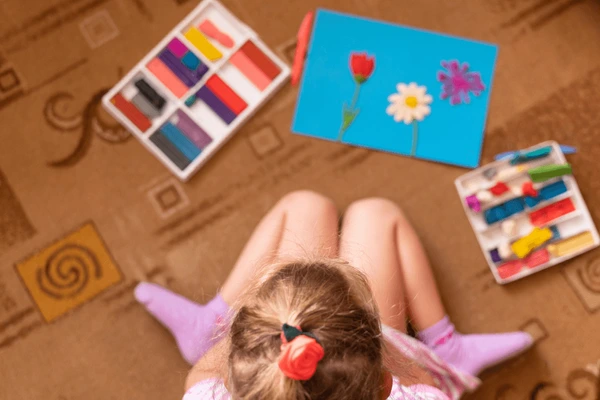
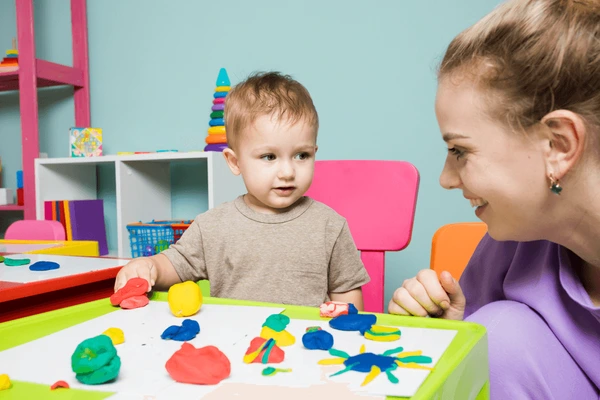
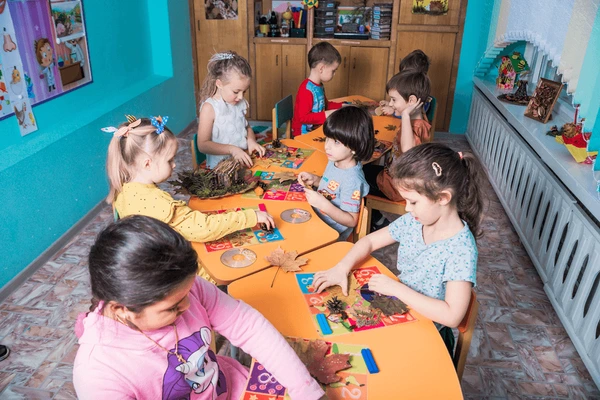
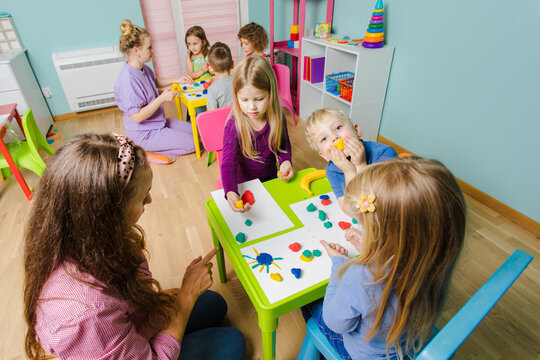
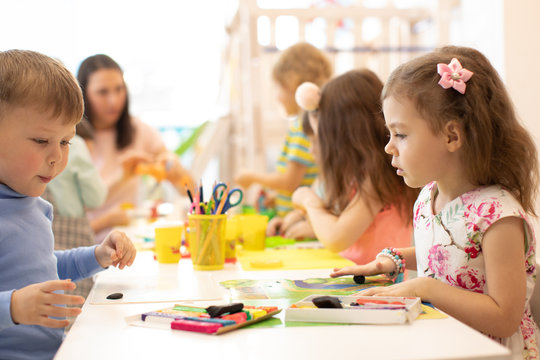
Integrating art activities in daycare settings plays a vital role in enhancing children's development, particularly in areas such as fine motor skills and cognitive growth. By engaging in creative tasks like painting, drawing, and sculpting, children not only express themselves artistically but also hone essential skills that are crucial for their overall growth and learning.
Fine Motor Skill Development
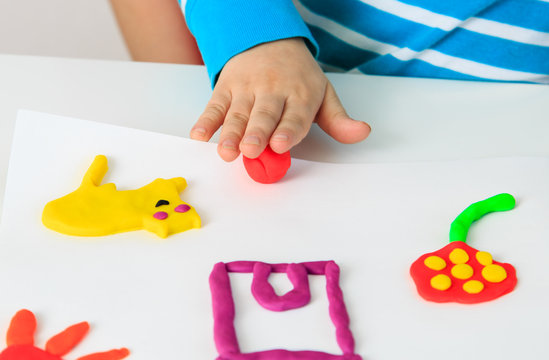
Participating in art activities, such as painting and drawing, can significantly contribute to the development of fine motor skills in children. These activities involve intricate hand movements and coordination, which are vital for tasks like writing, drawing, and buttoning clothes. Manipulating art tools and materials during art sessions helps enhance dexterity and hand-eye coordination in children, laying a strong foundation for their future academic and practical capabilities.
Cognitive Growth and Exploration
Art activities in daycare settings provide children with valuable opportunities for cognitive growth and exploration. Through activities like drawing, painting, and sculpting, children not only engage in creative expression but also sharpen their cognitive abilities. By encouraging children to experiment with different art materials and techniques, daycare centres foster curiosity, problem-solving skills, and critical thinking among young learners. This hands-on approach to learning stimulates children's imaginations and nurtures their cognitive development, setting the stage for a lifelong love of learning.
By incorporating art activities that focus on fine motor skill development and cognitive growth in daycare curriculum, educators can create a stimulating environment that encourages children to explore, create, and thrive. Art not only serves as a tool for self-expression but also as a medium through which children can develop essential skills that will benefit them both academically and emotionally in the years to come.
Incorporating Art in Daycare Curriculum
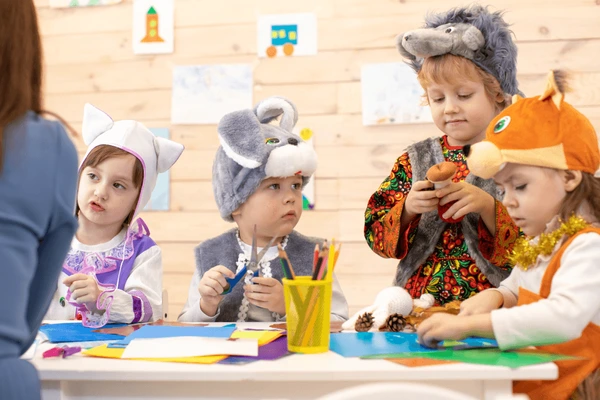
In the vibrant world of daycare, art plays a pivotal role in nurturing children's creativity and emotional expression. Integrating art across various subjects in the daycare curriculum enhances children's learning experience, as highlighted by Playto. By incorporating art into subjects such as math, science, and language arts, children are encouraged to explore and express their understanding in creative ways, fostering creativity, critical thinking, and deeper engagement with the material.
Cross-curricular Integration
Embedding art activities throughout the daycare curriculum allows children to connect their artistic endeavors with other areas of learning. For instance, incorporating art into math lessons can involve creating geometric shapes or patterns, fostering a visual understanding of mathematical concepts. Similarly, linking art to science could inspire children to explore natural phenomena through artistic representations, enhancing their comprehension and retention of scientific principles.
By weaving art into multiple disciplines, children develop a holistic view of the world and cultivate essential skills such as critical thinking, problem-solving, and creativity. This cross-curricular integration not only enriches the learning experience but also empowers children to express themselves in diverse ways, promoting a well-rounded educational journey.
Communication and Self-expression
Art serves as a powerful means of communication for children in daycare, offering them a unique platform to express their thoughts, emotions, and experiences visually. This mode of expression is particularly beneficial for children with limited verbal skills or those struggling to articulate their feelings verbally, as highlighted by Playto. Through art, children can convey complex ideas, share their perspectives, and develop their self-identity and confidence.
Encouraging children to engage in art activities provides them with a safe and expressive outlet for processing their emotions and experiences. This form of self-expression not only enhances their creativity but also supports their emotional well-being, as noted by Michigan State University Extension. By fostering effective communication and self-expression through art, daycare settings empower children to navigate their emotions and develop valuable social and emotional skills.
By embracing the integration of art into the daycare curriculum, educators can create a rich and immersive learning environment that sparks children's imaginations, promotes self-expression, and cultivates a deep appreciation for the power of creativity in early childhood education.
Encouraging Emotional Expression Through Art
Art plays a significant role in nurturing emotional intelligence and supporting children in understanding and coping with their feelings. By engaging in creative activities, children can express their emotions in a visual and tangible way, fostering self-awareness and emotional growth.
Facilitating Emotional Intelligence
Creative activities, such as painting, drawing, and sculpting, offer children a vivid and tactile way to express and understand their emotions. Through art, children can explore complex emotions in a safe and supportive environment, enhancing their emotional literacy and empathy towards others. Encouraging children to create art based on their emotions can facilitate meaningful discussions about feelings and help develop their emotional intelligence.
Understanding and Coping with Feelings
Art provides a unique outlet for emotional expression in children, allowing them to translate their thoughts, feelings, and experiences into visual representations. According to Playto, engaging in art activities can help children process their emotions, fostering emotional growth and self-awareness. By creating artworks that reflect their inner world, children can gain insights into their feelings and learn positive coping mechanisms.
Using art as a therapeutic tool, tailored activities can help children effectively process and express specific emotions such as joy, anger, sadness, or fear. By providing children with the opportunity to visually communicate their emotions, daycare centers can support them in understanding and managing their feelings in a constructive and imaginative manner.
By incorporating art into the daycare curriculum, educators can empower children to develop essential social and emotional skills. Through art, children not only learn to express themselves creatively but also cultivate empathy, resilience, and emotional intelligence, setting a strong foundation for their holistic development.
Strategies for Emotional Regulation
Emotional regulation is a crucial skill for children to develop, and art can be a powerful tool to aid in this process. There are specific strategies within art activities that can help children manage their emotions effectively. Two key techniques include drawing and identifying emotions, as well as writing and expressing feelings.
Drawing and Identifying Emotions
Encouraging children to draw their emotions is an effective technique to help them name and identify the feelings they are experiencing. By engaging in artistic activities where they create visual representations of their emotions, children can better understand and express their innermost thoughts and feelings. Sharing these drawings with others can also promote discussions about emotions and provide insights into what might be happening in the child's life.
Through drawing, children can externalize their emotions and develop a sense of control over them. This process enables them to visually express their feelings, even when they might struggle to verbalize them. By recognizing and representing their emotions through art, children can build resilience and coping mechanisms that support their emotional well-being. For more activities to facilitate emotional regulation through art, visit our article on promoting diversity & inclusion through daycare art projects.
Writing and Expressing Feelings
Another effective method to enhance emotional regulation in children is to encourage them to write about their emotions. Whether through journaling, writing on paper, or a chalkboard, providing children with an outlet to put their feelings into words can significantly benefit their emotional development. Writing allows children to communicate their thoughts and emotions, fostering empathy towards others and boosting their self-confidence.
Through writing, children can delve deeper into their feelings, gaining insight into the complexities of their emotions. This practice not only sharpens their communication skills but also encourages self-reflection and introspection. By expressing their emotions through writing, children can cultivate a deeper understanding of themselves and others, fostering a supportive and empathetic environment within the daycare setting. For more information on the importance of art in the daycare curriculum, explore our article on why art matters in the daycare curriculum.
By incorporating these strategies into art-based activities in daycare settings, educators can empower children to navigate their emotions effectively. Drawing and writing provide children with creative outlets to express and process their feelings, fostering emotional intelligence and resilience from an early age. Through these activities, children can develop essential skills for emotional regulation, setting a strong foundation for their mental well-being and emotional health.
References
[1]: https://www.canr.msu.edu/news/theartofcreatingwhyartisimportantforearlychildhood_development
[2]: https://huckleberrycare.com/blog/art-activities-for-kids-using-creativity-to-express-emotions



















.avif)


.avif)


