Importance of Introducing New Foods
Developing Taste Preferences
Establishing Healthy Eating Habits
Introducing new foods to toddlers plays a vital role in their development by shaping their taste preferences and laying the foundation for establishing healthy eating habits. It is during early childhood that children begin to form their taste preferences, which can have a lasting impact on their food choices later in life.
As toddlers grow and explore the world around them, they are naturally curious about new tastes and textures. By introducing a diverse range of foods at a young age, parents and caregivers can expand their child's palate and encourage them to appreciate a variety of flavors. This exposure to different foods helps in developing a well-rounded palate and cultivates a willingness to try new and nutritious foods throughout their lives.
In addition to developing taste preferences, the introduction of new foods is crucial for establishing healthy eating habits that will benefit toddlers in the long run. Children who are exposed to a balanced and varied diet during their formative years are more likely to make healthy food choices as they grow older. These habits not only contribute to their physical health but also play a significant role in their overall well-being and cognitive development.
Parents and caregivers play a key role in guiding toddlers towards a positive relationship with food. By creating a supportive and encouraging environment, offering a mix of nutritious options, and being patient and consistent in their approach, they can help toddlers embrace new foods with curiosity and enthusiasm. It is essential to approach meal times as enjoyable experiences, fostering a sense of exploration and discovery around different foods.
To support toddlers in their journey towards embracing new foods and healthy eating habits, parents can utilize techniques such as the food chaining method to gradually introduce unfamiliar foods. By building on familiar preferences, children can gradually expand their food repertoire and become more receptive to trying new and diverse foods.
In conclusion, introducing new foods to toddlers is not only about broadening their culinary horizons but also about instilling in them a lifelong appreciation for healthy eating. By focusing on developing taste preferences and establishing healthy habits early on, parents can set the stage for their child's future food choices and overall well-being.
Strategies for Introducing New Foods
Introducing new foods to toddlers can be a rewarding journey that sets the foundation for healthy eating habits in the future. Employing effective strategies can help make this process smoother and more enjoyable for both parents and children. Here are key strategies to consider:
Involving Children in Meal Preparation
Involving children in the meal preparation process can be a fun and interactive way to introduce them to new foods. By actively participating in tasks such as planning the week's menu, picking out ingredients at the supermarket, and assisting in the kitchen, children can become more familiar with different food groups and develop an eagerness to try new foods.
Starting with Small Portions
When introducing new foods to toddlers, starting with small portions can help minimise waste and avoid overwhelming the child. Small servings allow children to explore the taste, texture, and aroma of the new food without feeling pressured to finish a large portion. Gradually increasing the serving size as the child becomes more receptive to the food can be an effective approach.
Timing New Food Introductions
The timing of introducing new foods can play a significant role in how well they are received by toddlers. It is important to introduce new foods when children are hungry and most receptive to trying something different. Avoid offering new foods when children are overly tired or in a rush, as they may be less willing to experiment with unfamiliar foods.
By incorporating these strategies into your approach to introducing new foods, you can enhance the dining experience for toddlers and foster a positive attitude towards trying and embracing a variety of foods. Moreover, involving toddlers in the selection of new fruits or vegetables at the grocery store and allowing them to participate in food preparation can further encourage their willingness to explore new food choices [2].
Techniques for Encouraging New Foods
When it comes to introducing new foods to toddlers, employing effective techniques can make the process smoother and more successful. Here are three innovative methods to encourage toddlers to explore and embrace new foods: the Food Chaining Method, Sensory Exploration of Foods, and Creative Food Presentations.
Food Chaining Method
The Food Chaining Method is a systematic approach to introducing new foods by linking them to familiar and accepted foods. This technique involves gradually introducing foods that are closely related in taste, texture, or appearance to foods that the child already enjoys. By creating connections between known and unfamiliar foods, toddlers are more likely to accept and try new items. The gradual progression allows children to develop a taste for a wider variety of foods over time, expanding their palate and promoting a balanced diet.
Sensory Exploration of Foods
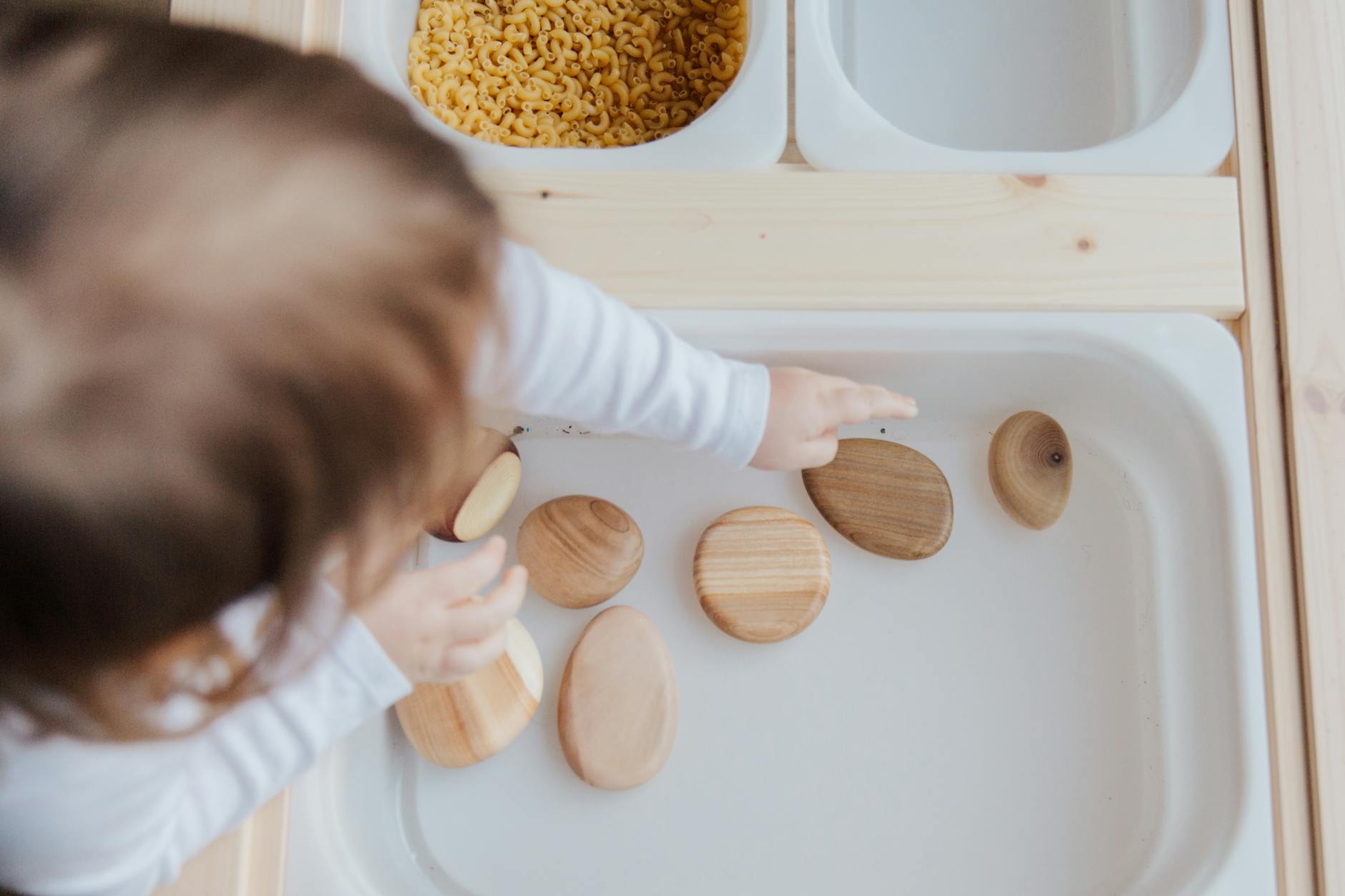
Engaging toddlers in sensory exploration of foods can help foster a positive relationship with new or challenging food items. By encouraging children to touch, smell, and interact with different foods, they can become more comfortable and curious about trying them. Parents and caregivers can involve toddlers in food preparation activities that stimulate their senses, such as sorting, mixing, and smelling ingredients. This hands-on approach not only introduces new foods but also encourages sensory development and exploration.
Creative Food Presentations
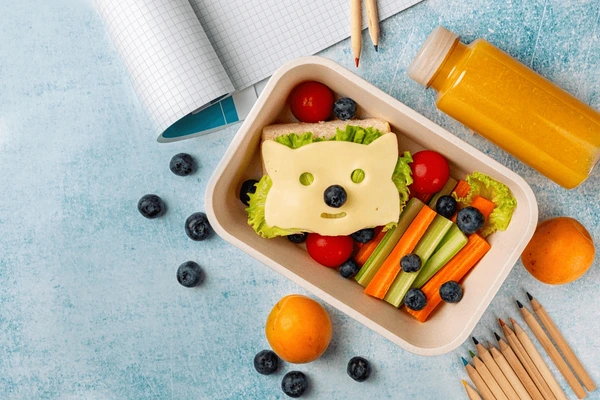
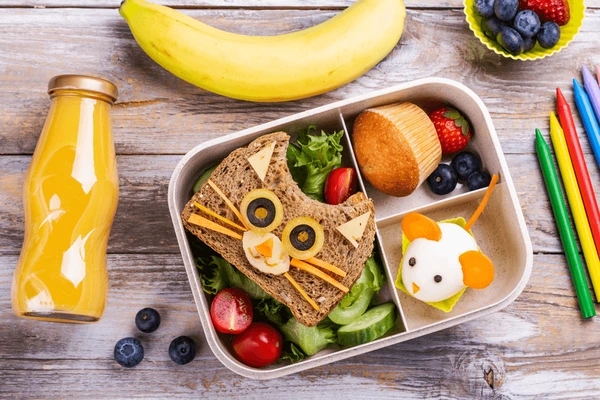
One way to make trying new foods exciting for toddlers is through creative food presentations. By presenting familiar foods in unique and appealing ways, such as cutting or arranging them differently, using vibrant plates and utensils, or even serving them in unconventional locations, parents can make mealtime more engaging and enjoyable for children. This approach can pique toddlers' interest and curiosity, encouraging them to explore and taste new foods without pressure.
By implementing these techniques, parents and caregivers can create a positive environment for toddlers to develop healthy eating habits and expand their culinary horizons. To explore more strategies for encouraging healthy eating in toddlers, check out our article on easy ways to encourage healthy eating in toddlers.
Tips for Effective Food Introduction
When it comes to introducing new foods to toddlers, several tips can make the process smoother and more successful. Incorporating children in the grocery shopping experience, monitoring allergic reactions, and offering a variety of textures are key aspects to consider.
Involving Children in Grocery Shopping
Engaging toddlers in the selection of new fruits or vegetables during grocery trips can pique their interest in trying different foods. Allowing them to participate in food preparation activities can also foster excitement about the new food choices. By involving children in the decision-making process, they are more likely to be enthusiastic about trying new and unfamiliar foods.
Monitoring Allergic Reactions
When introducing new foods to toddlers, it is essential to pay attention to any potential allergic reactions. To mitigate the risk, it is advisable to introduce one single-ingredient food at a time initially. Waiting 3 to 5 days between each new food introduction can help in identifying any allergic responses. Gradually introducing new foods can not only help in detecting allergies but also allow children to diversify their food preferences.
Offering Variety in Textures
Variety in textures plays a crucial role in the sensory experience of toddlers when it comes to food. Initially, toddlers should be introduced to mashed, pureed, or strained foods with smooth textures to prevent choking hazards. As their oral skills develop, gradually transitioning to thicker and lumpier textures can be beneficial. It is imperative to offer small portions, encourage slow eating, and supervise children during meals to ensure their safety and prevent choking incidents.
By involving children in grocery shopping, being vigilant about allergic reactions, and providing a range of textures in meal options, parents and caregivers can create a positive environment for toddlers to explore and expand their palate, fostering a healthy relationship with food from a young age.
Common Mistakes to Avoid
When it comes to introducing new foods to toddlers, there are several common pitfalls that parents and caregivers should be mindful of. Avoiding these mistakes can help ensure a positive experience for both the child and the adult involved in the feeding process. Here are some key mistakes to steer clear of:
Pressuring Children to Eat
Pressuring children to eat new foods can lead to aversions and negative associations with mealtimes. It's important to approach food introductions with patience and a positive attitude. According to First Things First, being patient, positive, and having a long-term mindset is crucial when encouraging toddlers to try and eventually like new foods. Respect your child's appetite cues and avoid forcing them to eat beyond their comfort level.
Negotiating or Rewarding for Eating
Negotiating or offering rewards for eating can create unhealthy relationships with food and mealtimes. Children should learn to listen to their internal hunger and fullness cues rather than external incentives. As highlighted by Brightest Beginning, parents often misinterpret babies' feeding cues, leading to unnecessary stress during meals. Avoid the temptation to use rewards or negotiation tactics to coax children into trying new foods.
Overfeeding or Offering Large Portions
Overfeeding toddlers or providing oversized portions can overwhelm them and disrupt their natural appetite regulation. It's crucial to recognize when your child is satisfied and respect their cues to stop eating. Continuing to feed beyond the point where a child shows signs of fullness can lead to negative associations with food and eating. As advised by Brightest Beginning, pay attention to your child's non-verbal cues, such as losing interest or closing their mouth, to avoid overfeeding.
By avoiding these common mistakes and adopting a patient, positive, and responsive approach to introducing new foods, you can support your toddler in developing healthy eating habits and a positive attitude towards trying different foods. For more guidance on fostering healthy eating habits in toddlers, refer to our article on benefits of healthy eating for daycare kids.
Guidelines for Age-Appropriate Introductions
When it comes to introducing new foods to toddlers, following age-appropriate guidelines is crucial to ensure proper nutrition and development. Here are some key recommendations for solid foods, introducing allergenic foods, and monitoring oral skills development.
Recommendations for Solid Foods
According to the CDC, most children can start eating solid foods at around 6 months old, with a varied diet including infant cereals, meats, fruits, vegetables, grains, yogurts, and cheeses recommended by 7 or 8 months old. To reduce the risk of exposure to arsenic, offering a variety of fortified infant cereals such as oat, barley, and multi-grain is advised by the American Academy of Pediatrics.
Age Recommended Foods
- 6 months: Infant cereals (fortified), pureed fruits and vegetables
- 7-8 months: Meats, yogurts, cheeses, grains, variety of fruit and vegetable purees
- Beyond 12 months: Cow's milk products like yogurt, avoiding cow's milk until after 12 months
Introducing Allergenic Foods
It's important to introduce potentially allergenic foods like cow's milk products, eggs, fish, shellfish, tree nuts, peanuts, wheat, soy, and sesame when introducing other foods. However, cow's milk or fortified soy beverages are not recommended until the child is older than 12 months, but yogurt can be introduced earlier. The CDC emphasizes the need to observe the child's reaction to each new food and to wait 3 to 5 days between introductions to identify any allergic responses [3].
Monitoring Oral Skills Development
Initially, toddlers should be fed mashed, pureed, or strained foods with smooth textures to prevent choking hazards as their oral skills are developing. As children progress, thicker and lumpier foods can be introduced. It's essential to offer small portions, encourage slow eating, and always supervise meal times to prevent choking incidents. Gradually progressing from smooth to textured foods aids in the development of oral motor skills and ensures safe eating habits as children grow.
By following these guidelines for age-appropriate food introductions, parents and caregivers can support healthy eating habits and help toddlers explore a variety of foods safely. Regularly introducing new foods, monitoring reactions, and promoting a balanced diet can set the foundation for a lifetime of healthy eating habits in children.
Engaging Kids in Food Experiences
When it comes to introducing new foods to toddlers, engaging kids in food experiences is a key aspect of fostering healthy eating habits. By creating a positive and interactive environment around food, parents and caregivers can encourage children to explore new flavors and textures with enthusiasm. In this section, we will explore three essential strategies for engaging kids in food experiences: allowing food exploration, playing with food, and managing feeding environments.
Allowing Food Exploration
Encouraging toddlers to explore and interact with their food can help build their sensory relationship with different textures, colors, and aromas. Allowing children to touch, smell, and even play with their food can pique their curiosity and make meal times more engaging. According to Nutura, this sensory exploration can enhance their acceptance of new foods and broaden their palate over time.
To facilitate food exploration, consider offering a variety of foods in different shapes and colors. Allow toddlers to use their hands and utensils to interact with the food, fostering a sense of independence and curiosity. Remember, messes are part of the learning process, so embrace a playful and positive attitude towards food exploration.
Playing with Food
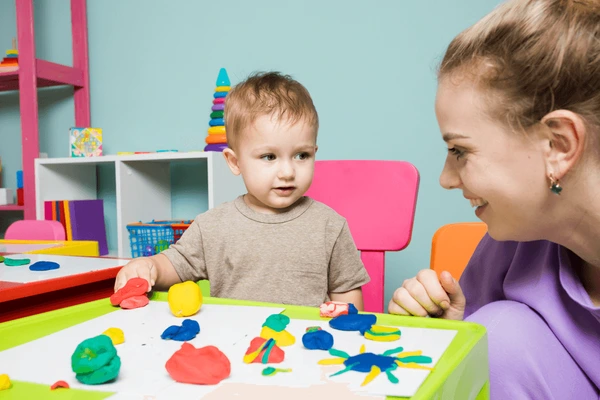
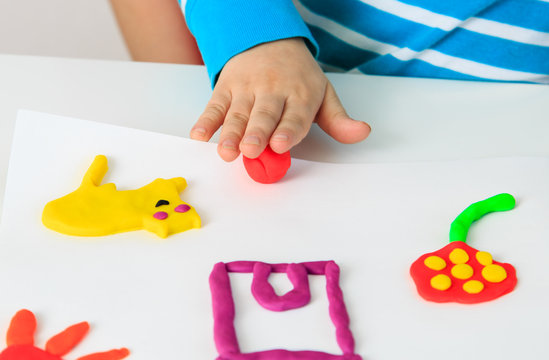
While the traditional notion of not playing with food may prevail, some forms of food play can actually benefit toddlers' development of food acceptance. Playing with food in a structured and guided manner can help children become more comfortable with new foods and reduce anxiety around meal times. Incorporating activities like creating food art or building structures with food can make eating an enjoyable and less stressful experience for toddlers.
By turning meal times into fun and creative experiences, parents can promote a positive association with food and encourage children to try new and unfamiliar items. Remember to establish boundaries around food play to ensure that toddlers understand the distinction between exploring and consuming the food.
Managing Feeding Environments
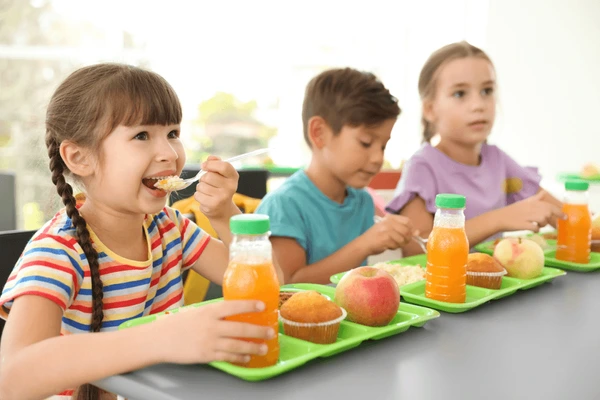
The environment in which meals are consumed plays a significant role in shaping children's attitude towards food. Creating a calm, inviting, and distraction-free feeding environment can help toddlers focus on their meals and develop healthy eating habits. Minimize distractions such as electronic devices or toys during meal times to encourage children to pay attention to their food.
Additionally, establishing a routine around meal times can provide toddlers with a sense of predictability and structure, reducing mealtime battles and promoting positive eating behaviors. Creating a pleasant and conducive feeding environment sets the stage for enjoyable and stress-free meal times, fostering healthy eating habits from a young age.
By incorporating these strategies into daily mealtime routines, parents and caregivers can create a nurturing and supportive environment that encourages toddlers to explore new foods, develop healthy eating habits, and cultivate a positive relationship with food. Through food exploration, interactive play, and mindful feeding environments, children can build a foundation for a lifetime of nutritious eating habits and food acceptance.
Building Food Acceptance in Children
When it comes to fostering healthy eating habits in children, building food acceptance plays a crucial role in ensuring they develop a positive relationship with food. This section explores key strategies to increase food exposure, familiarize children with different food flavors, and introduce various textures effectively.
Increased Food Exposure
Encouraging children to try new foods involves actively involving them in the food preparation process, allowing them to engage with the ingredients and cooking methods. By participating in meal preparation, children develop a sense of ownership over the food, making them more likely to try it [4]. Positive reinforcement, such as praise or rewards for trying new foods, can further motivate children to expand their culinary horizons.
To increase the likelihood of children trying new foods, it's beneficial to engage all their senses. Encouraging children to smell, touch, and visually inspect the food before tasting it helps familiarize them with the food's characteristics and can make trying new foods less intimidating [2]. Embracing the messiness of meal times, particularly during infancy, and allowing babies to interact with food naturally can aid in their food acceptance journey.
Familiarity with Food Flavors
Introducing children to a variety of food flavors early on can help broaden their palate and reduce picky eating behaviors. Regularly including a diverse range of foods in family meals and exposing children to different flavors can increase their acceptance of various food options [4]. Understanding individual preferences is important, as some children may crave bold flavors and textures in their meals.
Texture Exposure Window
The development of oral skills in children significantly impacts their ability to handle various food textures. It's crucial to introduce different textures gradually and appropriately based on the child's developmental stage. Initially, offering mashed, pureed, or strained foods with smooth textures reduces the risk of choking and facilitates acceptance of new foods [3]. As children progress and demonstrate improved chewing abilities, introducing thicker and lumpier textures can further expand their food experiences.
By focusing on increased food exposure, building familiarity with food flavors, and navigating the texture exposure window, caregivers can empower children to embrace a diverse and nutritious diet, setting the foundation for a lifelong appreciation of wholesome foods.
References
[1]: https://www.parents.com/recipes/nutrition/picky-eater-strategies/
[2]: https://www.firstthingsfirst.org/first-things/tips-get-toddler-try-eventually-like-new-foods-2/
[4]: https://www.nutura.com.au/
[5]: https://brightestbeginning.com/introducing-solids-to-baby-6-mistakes/























.avif)


.avif)


