
Art and Sensory Development
Art education plays a significant role in the cognitive development of children. The ability to engage in artistic activities enhances creative thinking skills, which can be applied to solve complex problems in various contexts. Through art, children are encouraged to think outside the box, fostering innovation and critical thinking abilities at an early age.
Impact of Art Education on Cognitive Development
By exposing children to the world of art, educators can stimulate their cognitive growth and enhance neural connections. Art activities help children's brains grow, contributing to the development of crucial skills like problem-solving, spatial reasoning, and attention to detail [1]. Moreover, art encourages self-expression and imagination, nurturing a child's ability to communicate and interpret emotions through visual mediums.
Art education not only promotes cognitive development but also fosters a sense of creativity and self-esteem in children. The freedom to explore various art forms allows young minds to express themselves authentically, boosting their confidence and sense of achievement. These positive experiences in art can have a lasting impact on a child's overall development and future academic success.
Importance of Sensory Play in Early Childhood
Sensory play is a crucial component of early childhood development, as it helps build foundational neural pathways necessary for more complex learning tasks as children progress. Engaging children in sensory activities stimulates their senses and contributes to the development of cognitive, social-emotional, and multisensory abilities.
Early exposure to sensory experiences supports language acquisition, problem-solving skills, social interaction, emotional regulation, and motor skill development. Through sensory play, children learn to explore and make sense of the world around them, laying a strong foundation for future learning and growth. Incorporating various sensory activities in daycare settings is instrumental in providing holistic development opportunities for young children.
Understanding the profound impact of art education and sensory play on cognitive and overall development underscores the importance of integrating multisensory art activities into daycare curricula. By embracing art and sensory experiences, educators can create a nurturing environment that promotes creativity, cognitive growth, and emotional well-being in children.
Sensory Activities for Infants
In the realm of early child development in daycare settings, sensory activities play a pivotal role in laying the foundation for future learning processes. For infants, engaging in sensory experiences is not only enjoyable but also essential for their cognitive and motor skills development.
Developing Sensory Abilities in Infants
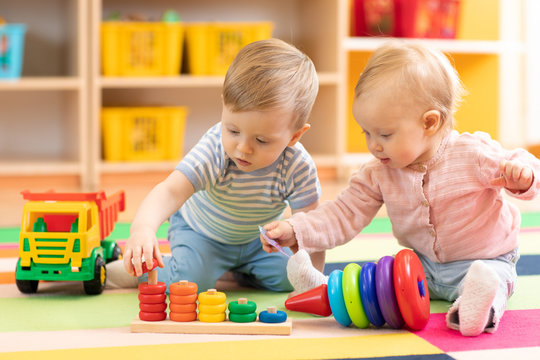
Sensory play during infancy is fundamental for building the neural pathways necessary for more advanced learning tasks as children progress. These activities aid in language acquisition, cognitive development, problem-solving, social interaction, emotional skills, and motor skill development. By exposing infants to various sensory stimuli, caregivers can help them explore and make sense of the world around them.
During this sensitive developmental stage, sensory experiences such as hanging mobiles, smiling faces, mirror games, or sensory bottles can enhance infants' abilities to see, touch, and listen. Activities like texture boards, sponges and water play, ice cubes in a bowl, musical toys, and making oobleck with cornstarch and water can stimulate their senses and contribute to their overall sensory development.
Recommended Sensory Activities for Infants
Sensory Activity Benefits
- Hanging Mobiles: Promotes visual tracking and attention.
- Smiling Faces: Encourages social interaction and emotional connection.
- Mirror Games: Stimulates self-recognition and self-awareness.
- Texture Boards: Develops tactile sensitivity through exploration of various textures.
- Water Play: Enhances sensory perception and motor skills.
- Musical Toys: Introduces auditory stimulation and rhythm awareness.
- Oobleck Making: Engages in sensory exploration and scientific curiosity.
Engaging infants in such sensory-rich activities not only fosters their sensory development but also nurtures their curiosity, problem-solving skills, and creativity. By allowing them to explore through tactile, visual, and auditory experiences, caregivers can support the growth of nerve connections in the brain, setting a strong foundation for future learning endeavors.
Sensory Activities for Toddlers
As toddlers continue to explore the world around them, engaging in sensory activities plays a crucial role in their overall development. These activities not only stimulate their senses but also promote cognitive growth and fine and gross motor skills. Let's delve into how sensory activities can enhance multisensory skills in toddlers and explore some recommended activities for their development.
Enhancing Multisensory Skills in Toddlers
Toddlers are at a stage where they are actively developing their sensory abilities through various experiences. Sensory activities provide them with opportunities to engage their senses of hearing, seeing, touching, tasting, and smelling. These activities help toddlers make sense of the world around them and contribute to their overall cognitive development.
By engaging in activities that stimulate multiple senses simultaneously, toddlers can enhance their ability to process information and make connections between different sensory inputs. This multisensory stimulation is essential for the holistic development of toddlers and can lay the foundation for future learning and exploration.
Recommended Sensory Activities for Toddlers
- Smell & Guess Games: Encourage toddlers to explore different scents and guess what they are smelling. This activity helps enhance their sense of smell and provides a fun learning experience.
- Pretend Tightrope Walking: Set up a balance beam or a line on the floor and encourage toddlers to walk on it. This activity promotes balance and coordination skills in a playful manner.
- Salt Tray Writing: Fill a tray with salt and encourage toddlers to trace shapes, letters, or numbers in the salt. This sensory activity helps improve fine motor skills and provides a tactile learning experience.
- Finger Painting: Allow toddlers to express their creativity through finger painting. This activity engages their sense of touch and sight while promoting artistic expression.
- Sensory Tables: Create sensory tables filled with materials like water, sand, or rice for toddlers to explore. These tables provide tactile experiences and stimulate sensory curiosity.
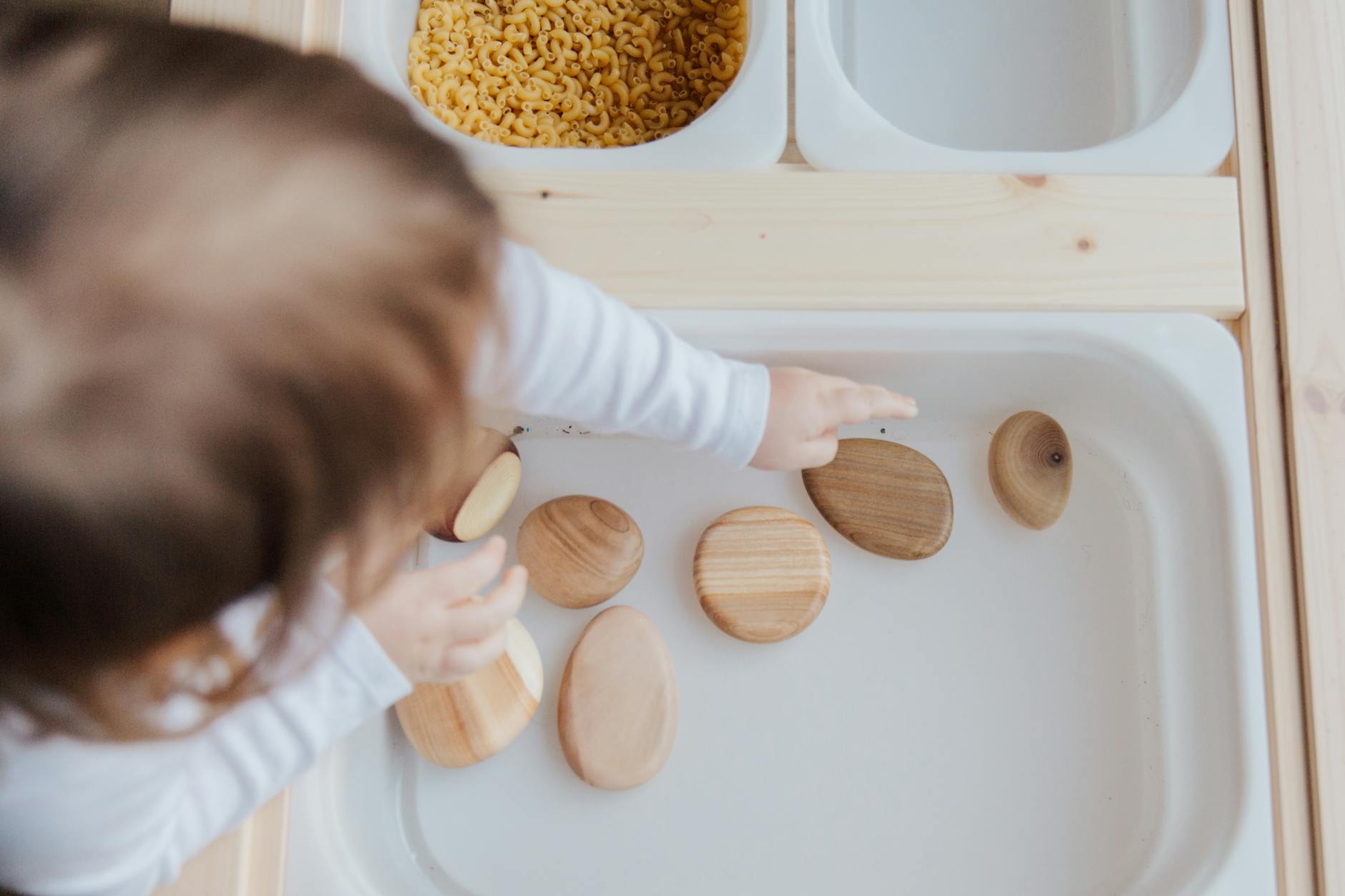
- Rice or Pasta Bins with Scoops: Fill bins with rice or pasta and provide scoops for toddlers to scoop and pour. This activity enhances fine motor skills and hand-eye coordination.
- Simon Says: Play a game of Simon Says where toddlers have to follow instructions involving different movements. This game promotes listening skills and physical coordination.
- Freeze Tag: Engage toddlers in a game of freeze tag where they have to freeze when the music stops. This activity encourages movement and listening skills.
- Making Popcorn: Allow toddlers to experience the sensory delight of hearing popcorn kernels popping. This hands-on activity engages their sense of hearing and taste.
By incorporating these sensory activities into the daily routine at daycare, caregivers can provide toddlers with a stimulating environment that nurtures their sensory development and overall growth. These activities not only engage their senses but also foster creativity, cognitive skills, and social interactions, laying a strong foundation for their future learning journey.
Adapting Sensory Activities
When it comes to engaging children with sensory processing disorders in daycare settings, it's essential to modify activities to cater to their unique needs and ensure a safe and enjoyable experience for all participants. Teachers can implement various strategies to make sensory activities more inclusive and accommodating for children with sensory sensitivities.
Modifying Activities for Children with Sensory Processing Disorders
Adapting sensory activities for children with sensory processing disorders involves making adjustments to suit individual preferences and sensory needs. Teachers can consider the following modifications:
- Customizing Activities: Tailoring activities to match each child's sensory preferences and aversions.
- Adjusting Intensity: Regulating sensory input intensity or duration to prevent sensory overload.
- Providing Alternatives: Offering alternative materials or tools to accommodate different sensory sensitivities.
By personalizing the sensory experiences based on each child's requirements, educators can create a supportive environment that promotes engagement and comfort during sensory play sessions.
Ensuring Safety in Sensory Play
Safety is paramount when engaging infants and toddlers in sensory activities. To maintain a secure environment during sensory play, daycare providers should follow essential safety precautions:
- Non-Toxic Materials: Selecting non-toxic and child-friendly materials to prevent any harmful exposure.
- Age-Appropriate Choices: Ensuring that the activities and materials are suitable for the age group to minimize risks.
- Close Supervision: Monitoring children closely during sensory play to prevent accidents and address any concerns promptly.
- Consideration for Sensory Sensitivities: Being mindful of individual sensory sensitivities or medical conditions to prevent discomfort or distress.
By prioritizing safety measures, daycare facilities can create a nurturing space where children can explore, learn, and develop through sensory experiences with confidence and security.
As educators and caregivers implement these adaptations and safety measures, they contribute to creating an inclusive and supportive environment that fosters positive growth and development for children with sensory processing disorders in daycare settings. For more insights into the significance of sensory play in early childhood development, check out our article on why art matters in the daycare curriculum.
Multisensory Art Activities
Benefits of Multisensory Art Activities
Engaging in multisensory art activities offers a myriad of benefits for toddlers' development in daycare settings. These activities not only stimulate creativity but also enhance various aspects of cognitive, social-emotional, and sensory development. Research shows that art education profoundly impacts cognitive development, allowing children to apply creative thinking skills to problem-solving situations [1]. Some significant benefits of multisensory art activities are highlighted below:
- Enhanced Brain Development: Participating in art activities helps children's brains grow, making art a fundamental aspect of any educational institution.
- Cognitive Stimulation: Open-ended art play stimulates the senses, aiding in the development of cognitive, social-emotional, and multisensory abilities. Through art, children enhance brain development, mastery, self-esteem, and creativity as they grow [1].
- Improvement in Memory and Focus: Art education leads to improved memory and focus, transferable skills that support academic success in various fields.
- Encourages Creativity and Exploration: The process of creating art, involving experimentation, exploration, and discovery, is more valuable than the final product. Art activities foster creativity and critical thinking in children as they engage in the artistic process.
Exploring Different Mediums in Art
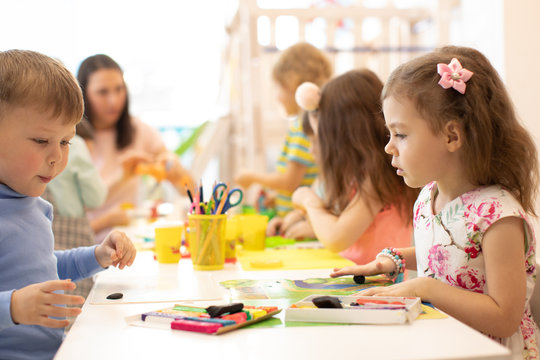
Incorporating various mediums in art activities provides children with rich sensory experiences, promoting creativity and exploration. By exposing toddlers to different artistic tools such as crayons, paint, colored pencils, pastels, watercolor, and markers, they engage in a multisensory journey that stimulates their senses and encourages artistic expression.
Furthermore, sensory play in early childhood lays the foundation for complex learning tasks by building neural pathways essential for cognitive development. By nurturing a child's interest in exploring tactile experiences and different artistic mediums, daycare settings can support language acquisition, problem-solving skills, emotional development, and fine motor skill enhancement.
Exploring various mediums in art not only fosters creative expression but also aids in the holistic development of children. It allows them to engage their senses, express their emotions, and refine their motor skills through hands-on exploration and artistic experimentation.
Embracing Tactile Learning
In the realm of early childhood development, tactile learning plays a pivotal role in enhancing sensory perception and refining motor skills. For toddlers in daycare, engaging in tactile play is not only fun but also instrumental in their physical and cognitive growth.
Tactile Play for Fine Motor Skills
Tactile play involves activities that stimulate the sense of touch and encourage hands-on exploration. By incorporating textures, shapes, and objects varying in size, toddlers can refine their fine motor skills through tasks like grasping, pinching, and manipulating objects.
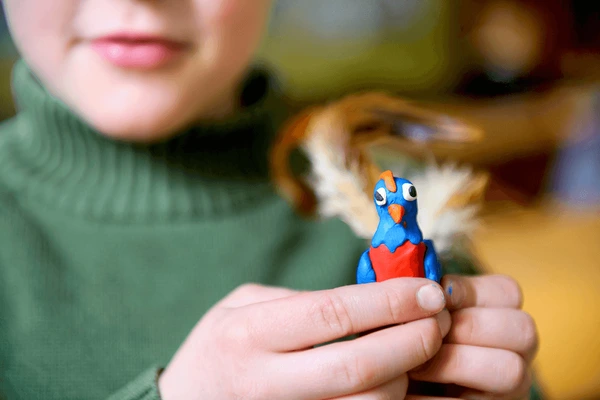
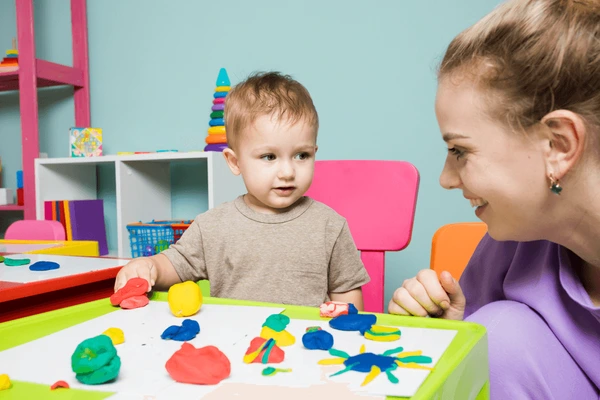
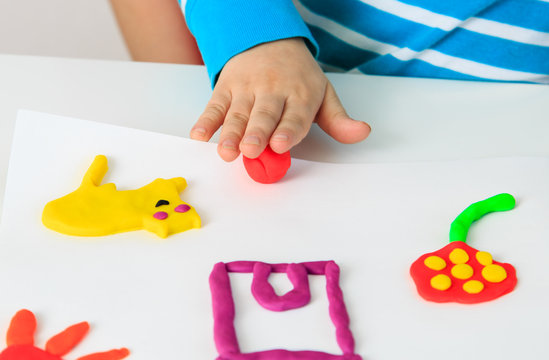
Through activities such as finger painting, molding clay, or threading beads, toddlers strengthen their hand-eye coordination and dexterity. These tasks not only foster creativity but also lay the foundation for skills essential in everyday tasks, like holding a pencil or tying shoelaces.
Developing Dexterity through Tactile Learning
In the daycare setting, tactile learning offers toddlers the opportunity to develop their dexterity and coordination through interactive play. Exploration of different textures, such as sand, water, or fabric, enables toddlers to refine their ability to manipulate objects with precision.
By engaging in sensory craft bins filled with materials like rice, beans, or textured fabrics, toddlers can enhance their tactile sensitivity and hand strength. These activities promote the development of fine motor skills crucial for tasks like drawing, cutting, and buttoning.
Overall, embracing tactile learning in daycare settings not only stimulates a child's sensory experiences but also nurtures their physical and cognitive development. By providing opportunities for tactile exploration and hands-on play, daycare educators can empower toddlers to build confidence, creativity, and essential motor skills in a nurturing and stimulating environment.
Enhancing Cognitive Development
When it comes to fostering cognitive development in toddlers, multisensory learning plays a pivotal role in nurturing their growing minds. By engaging children in a variety of sensory-rich experiences, educators can stimulate cognitive processes such as memory, attention, curiosity, and problem-solving abilities. These hands-on activities create environments that encourage exploration, problem-solving, and engagement with challenges, ultimately enhancing cognitive growth.
Multisensory Learning for Cognitive Growth
Sensory play activities aid in the development of cognitive skills by providing children with opportunities to explore and interact with their environment. According to Playto, sensory-rich experiences help build nerve connections in the brain, supporting the development of language and motor skills. As children engage in sensory play, they are encouraged to think critically, solve problems, and develop their creativity, all of which contribute to cognitive growth.
Incorporating Movement in Learning Activities
Incorporating movement into learning activities is another effective way to enhance cognitive development in toddlers. Physical movement not only promotes gross motor skills, such as balance, body awareness, coordination, and strength, but also aids in cognitive functions like memory retention and problem-solving. According to Brightwheel, fine motor skills necessary for intricate tasks and gross motor skills required for activities like running and jumping are honed through sensory play.
By encouraging toddlers to engage in activities that involve movement, educators can support their cognitive growth while also promoting physical development. Whether through structured games, outdoor play, or sensory craft bins, incorporating movement into learning experiences can provide a holistic approach to cognitive development in early childhood.
Teaching Emotional Skills
In a daycare setting, enhancing social-emotional skills through multisensory learning plays a vital role in the holistic development of toddlers. By incorporating activities that engage multiple senses, children can learn to recognize and manage their emotions effectively. This approach enables them to navigate social interactions and build healthy relationships with their peers.
Enhancing Social-Emotional Skills through Multisensory Learning
Multisensory learning emotion activities involve utilizing various sensory inputs to teach children how to identify, express, and regulate their emotions. This approach, as highlighted by The OT Toolbox, aids in creating a fun and engaging environment for preschoolers to develop social-emotional skills. Through a combination of visual, tactile, movement, and auditory stimuli, children can better understand and respond to their feelings, nurturing empathy and emotional intelligence.
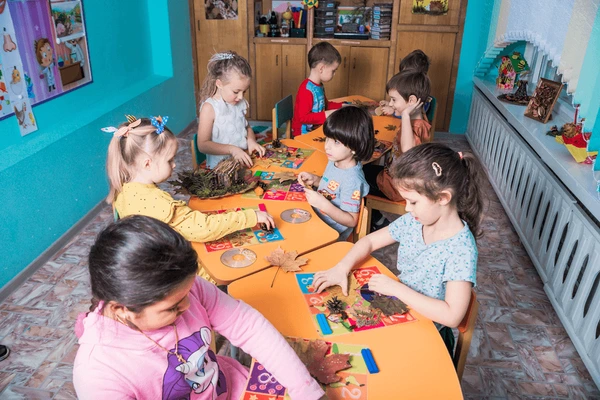
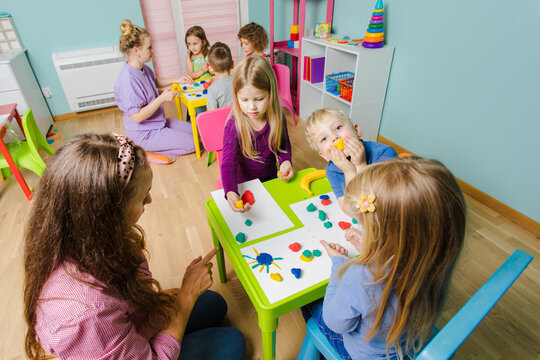
By offering activities that encourage interaction and communication, such as collaborative art projects or group storytelling sessions, toddlers can learn the importance of empathy, active listening, and self-expression. These experiences help in fostering a sense of belonging and emotional connection within the daycare community, promoting a positive emotional climate for all children.
Utilizing Visual and Auditory Cues for Emotional Activities
Visual and auditory cues are powerful tools in facilitating emotional development in toddlers within a daycare environment. By incorporating visual aids like emotion cards or mood boards, children can learn to recognize and express different feelings effectively. This visual support helps in enhancing emotional vocabulary and encouraging children to articulate their emotions with confidence.
Furthermore, using auditory cues such as calming music or guided meditation sessions can create a soothing atmosphere that promotes emotional regulation and self-awareness. According to Playto, sensory experiences through sound can impact emotional stability positively, leading to improved peer relationships and enhanced problem-solving abilities among children.
By promoting activities that incorporate visual and auditory cues, daycare providers can create an inclusive and supportive learning environment where toddlers can explore, understand, and manage their emotions in a healthy and constructive manner. These multisensory approaches not only enhance emotional skills but also foster a sense of emotional well-being and resilience in young children, setting a strong foundation for their future social and emotional growth.
References
[1]: https://www.standrewssukhumvit.com/impact-art-education-cognitive-development-creativity/
[2]: https://www.procaresoftware.com/blog/list-of-sensory-activities-for-infants-toddlers/
[3]: https://www.oac.edu.au/news-views/sensory-play/
[4]: https://mybrightwheel.com/blog/everything-to-know-about-sensory-play-the-ultimate-guide




























.avif)


.avif)


