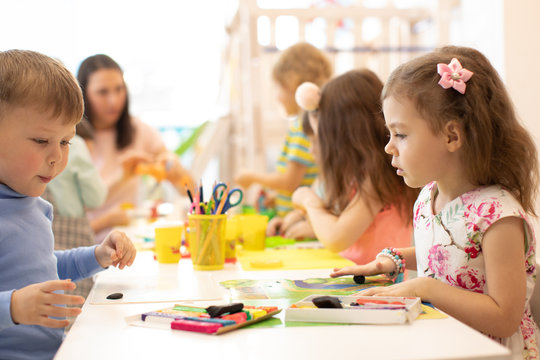
The Importance of Arts & Crafts in Daycare
In daycare settings across New York, incorporating arts and crafts activities plays a significant role in fostering child development, stimulating creativity, and providing valuable educational opportunities. Let's delve into the importance of arts and crafts in daycare through the lenses of enhancing child development, encouraging creativity, and providing educational opportunities.
Enhancing Child Development
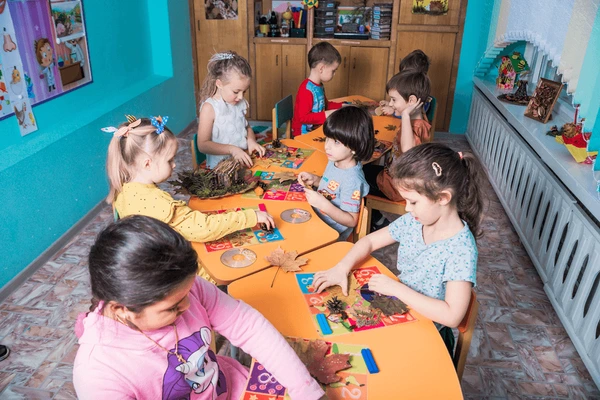
Arts and crafts activities are integral in enhancing child development in daycare environments. Through engaging in creative tasks, children have the opportunity to refine their fine motor skills, hand-eye coordination, and concentration levels. The process of cutting, pasting, and coloring fosters dexterity and precision in young learners, laying a strong foundation for future academic and practical tasks.
Moreover, art projects promote cognitive development by encouraging children to make decisions, solve problems, and think critically. As they experiment with different materials and explore various techniques, preschoolers expand their understanding of shapes, patterns, colors, and textures. This hands-on approach to learning not only enriches their cognitive abilities but also nurtures their spatial awareness and visual comprehension.
Encouraging Creativity
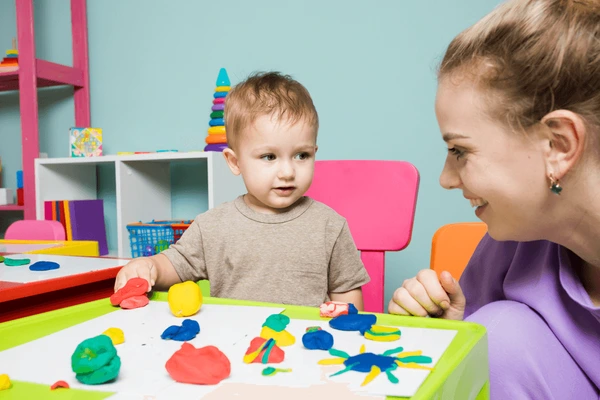
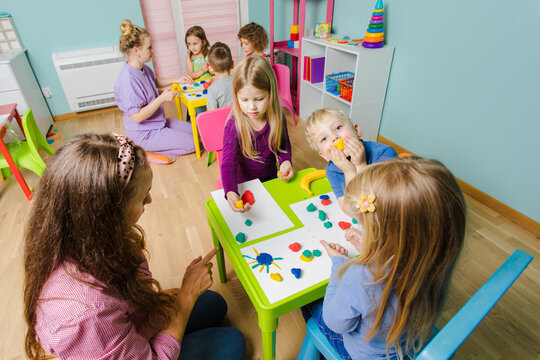
Arts and crafts activities serve as a vital outlet for encouraging creativity and self-expression in daycare classrooms. Preschoolers are natural innovators, eager to explore their imaginative ideas through crayons, paints, playdough, and other artistic mediums. By providing children with the freedom to experiment and create, educators empower them to express their unique perspectives and unleash their creative potential.
Through creative endeavours like drawing, painting, and crafting, children discover new ways to communicate their emotions, thoughts, and experiences. This expressive form of communication not only strengthens their language skills but also nurtures their emotional intelligence and social interactions. By fostering a supportive environment that values individuality and originality, daycare centres cultivate a sense of confidence and self-worth in young learners.
Providing Educational Opportunities
Arts and crafts activities in daycare settings offer educational opportunities that enrich the learning experience of children. Creative endeavours like drama, music, dance, and craft introduce preschoolers to diverse forms of expression and exploration. These activities not only spark curiosity and engagement but also promote holistic development across various domains.
By engaging in art projects and craft activities, children develop a deeper appreciation for aesthetics, cultural diversity, and the world around them. Through hands-on experiences and sensory exploration, they cultivate an understanding of shape, space, color, and texture. These educational opportunities not only enhance their artistic skills but also foster a lifelong love for creativity, innovation, and lifelong learning.
In daycare classrooms throughout New York, arts and crafts materials serve as essential tools for empowering children, stimulating their imaginations, and laying the groundwork for a future filled with creativity and discovery.
Selecting Arts & Crafts Materials
Age-Appropriate Supplies
Quality and Safety Considerations
When it comes to choosing the best arts & crafts materials for daycare classrooms, ensuring that the supplies are both age-appropriate and meet quality and safety standards is paramount. Stocking daycare centers with high-quality materials that cater to children's developmental needs is essential for a positive and enriching creative experience.
Age-Appropriate Supplies
Supplying age-appropriate materials is fundamental to engage children effectively in arts and crafts activities. Different age groups have varying developmental milestones and capabilities, so tailoring the supplies to suit their needs is crucial for a successful learning environment.
Preschoolers, for example, love to express themselves using crayons, paints, playdough, clay, scissors, glue, and paper. They enjoy experimenting with texture, space, and colors, showcasing their creativity through art and craft activities [1]. Providing materials that cater to their interests and developmental stage helps foster their creativity and fine motor skills.
Similarly, toddlers may benefit from sensory materials like textured fabrics, safe-to-touch objects, and non-toxic paints that stimulate their senses and encourage exploration. By offering age-appropriate supplies, daycare centers can enhance the learning experience and promote children's creativity and self-expression.
Quality and Safety Considerations
Ensuring the quality and safety of arts and crafts materials is essential to create a secure and conducive environment for children to explore their creativity. Here are some key considerations for selecting high-quality and safe materials:
- Water-Based Art Supplies: Opt for water-based art supplies as they are preferable for children as they do not contain chemical solvents, which can be harmful if ingested.
- ASTM D4236 and Approved Product Seal: Look for the statement "conforms to ASTM D4236" and an Approved Product seal from The Art and Creative Materials Institute to ensure the safety of art materials for children. Avoid purchasing materials with hazard warnings or labeled "Keep Out of Reach of Children".
Investing in high-quality materials not only enhances the creative experience for children but also promotes a safe and enriching environment. By prioritizing age-appropriate supplies and adhering to quality and safety standards, daycare centers can provide children with the tools they need to explore their creativity and artistic abilities in a secure and nurturing setting.
Must-Have Arts & Crafts Materials
When it comes to stocking a daycare classroom with arts and crafts materials, it's essential to provide a diverse selection of supplies that cater to the creativity and developmental needs of the children. From essential items to fun and engaging options, as well as considerations for restocking and maintenance, ensuring the daycare is equipped with the right materials is key.
Essential Supplies for Daycare
To create a vibrant and stimulating arts and crafts environment, daycare providers need to curate a selection of essential supplies that encourage exploration and creativity. These supplies should include:
- Crayons, markers, and colored pencils
- Construction paper and cardstock
- Glue sticks and child-safe scissors
- Paints and paintbrushes
- Pipe cleaners, pom poms, and googly eyes
- Playdough and clay
By having these foundational materials readily available, children can engage in various art activities that promote self-expression and fine motor skill development.
Fun and Engaging Options
In addition to the basic supplies, incorporating fun and engaging options can elevate the artistic experience for children. Consider including:
- Stickers, stamps, and stencils for added flair
- Embellishments like sequins, feathers, and beads
- Specialty papers such as tissue paper and crepe paper
- Fabric scraps and yarn for textile arts
- Glitter and glitter glue for a touch of sparkle
These materials can spark imagination and make art projects even more appealing and exciting for young artists.
Restocking and Maintenance
As arts and crafts supplies are a favorite among children, it is crucial to restock regularly to ensure that the creative flow continues uninterrupted. Keeping track of inventory and replenishing items as needed is essential for maintaining a well-equipped art corner. Additionally, it's important to consider the longevity and safety of materials when restocking:
Craft Material Restocking Frequency
- Paints and Brushes: Replenished monthly to ensure consistent availability for art projects.
- Glue and Scissors: Restocked quarterly to maintain sufficient supply for crafting activities.
- Paper and Cardstock: Replenished biannually to support creative projects and learning activities.
- Playdough and Clay: Restocked as needed based on usage and condition of materials.
- Stickers and Embellishments: Replenished monthly to provide variety and encourage creativity in art projects.
By establishing a schedule for restocking and conducting regular maintenance checks on art supplies, daycare providers can ensure that the arts and crafts area remains a vibrant and inspiring space for children to express themselves creatively.
By selecting a combination of essential supplies, fun and engaging options, and maintaining a restocking schedule, daycare classrooms can promote artistic exploration and development in young children while keeping the environment safe and conducive to creativity.
Sensory Play in Daycare
Engaging children in sensory play within the daycare setting offers a multitude of benefits, from enhancing their development to fostering creativity and self-expression. Let's delve into the world of sensory play in daycare through the exploration of new textures and an understanding of the advantages of sensory activities.
Exploring New Textures
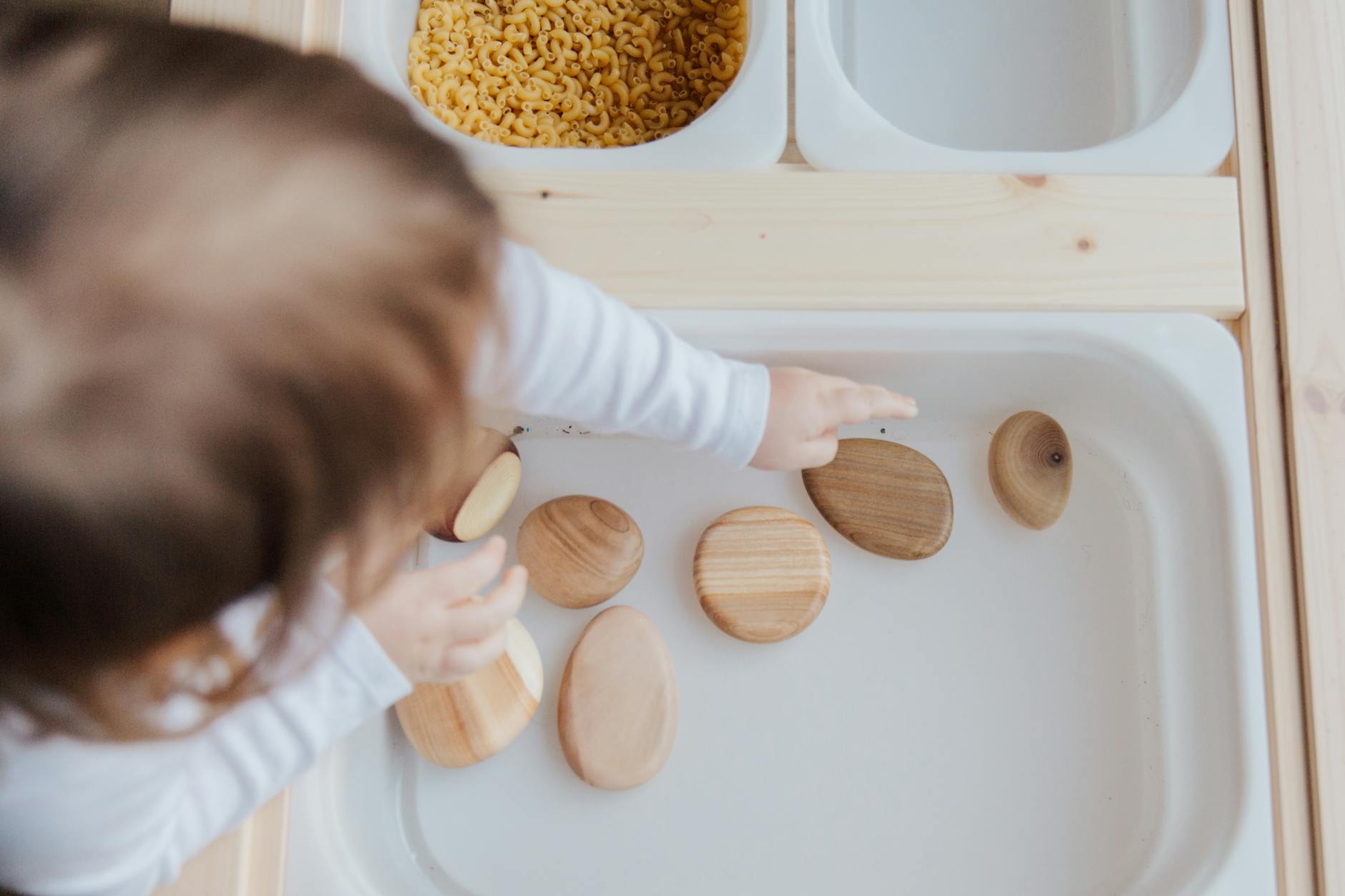
Sensory play in daycare involves activities that stimulate a child's senses, including touch, smell, taste, sight, and sound. By incorporating sensory elements into art activities, children encounter a variety of new textures, smells, sounds, and scenarios without preconceived notions. This exposure allows them to form positive associations with different materials and develop an appreciation for diverse sensory inputs.
One engaging and tactile sensory art activity is window painting. This activity not only enhances children's sense of touch, sight, and sound but also promotes the development of fine motor skills and hand-eye coordination. It encourages creativity, imagination, and self-expression while boosting children's confidence and emotional well-being.
Benefits of Sensory Activities
The benefits of sensory activities in daycare are vast and impactful. Sensory play not only provides children with enjoyable experiences but also supports their cognitive, emotional, and physical development. Here are some key advantages of incorporating sensory activities into the daycare curriculum:
- Development of Fine Motor Skills: Activities like making homemade playdough not only spark creativity but also aid in the development of fine motor skills. The diverse colors and textures of playdough contribute to positive sensory exploration and refinement of motor skills [4].
- Encouragement of Imagination and Problem-Solving: Frankentoys, a creative art activity that involves deconstructing and reconstructing old toys, fosters imagination, experimentation, and problem-solving skills. This hands-on approach encourages children to think innovatively and explore new possibilities.
- Integration of Art and Science: UV Light Art Prints merge art, science, and health education in a compelling way. By creating unique prints using photosensitive paper and sunlight exposure, children can experiment with different objects and patterns, expanding their understanding of light and shadow.
By embracing sensory play in daycare settings, educators can provide children with enriching experiences that go beyond traditional art activities. These sensory engagements contribute to holistic development, allowing children to explore, create, and learn in a dynamic and interactive environment.
Creative Art Activities
Engaging children in creative art activities is not only enjoyable but also crucial for their development. From exploring new textures to fostering imaginative play, various activities can enhance children's cognitive and sensory skills. Here are three creative art activities that are both fun and beneficial for daycare classrooms.
Sensory Art with UV Light
UV light art prints are a fascinating and educational activity that combines art, science, and health education. Children create unique prints by placing objects or stencils on photosensitive paper and exposing them to sunlight. This activity encourages experimentation with different objects and patterns, providing a hands-on experience that sparks curiosity and creativity.
For UV light art prints, children can explore the effects of light exposure on various materials, learn about the concept of sun-sensitive paper, and unleash their artistic expression by producing one-of-a-kind prints. This multisensory experience not only cultivates artistic skills but also promotes scientific inquiry and understanding.
To learn more about promoting diversity and inclusion through daycare art projects, check out our article on promoting diversity & inclusion through daycare art projects.
Homemade Playdough Fun
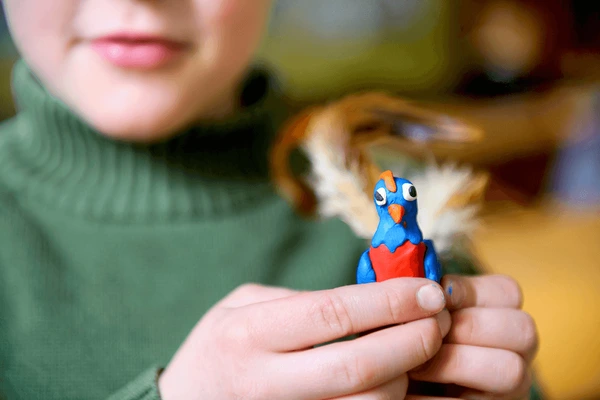
Homemade playdough is a classic and versatile activity that offers endless possibilities for creative exploration. Making playdough from scratch involves mixing simple ingredients to create a pliable and colorful dough that children can mold, shape, and manipulate. This hands-on sensory experience helps children develop fine motor skills, experiment with different textures, and engage in imaginative play.
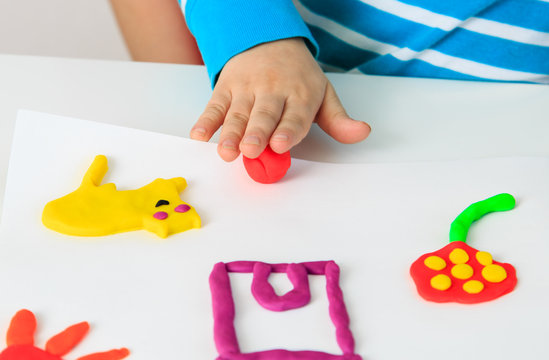
The vibrant colors and squishy textures of homemade playdough stimulate sensory exploration and provide a calming sensory experience for children. By encouraging kids to explore shapes, patterns, and structures with playdough, educators can promote artistic expression and fine motor development in a playful and engaging way.
For more information on teaching shapes and patterns through daycare crafts, visit our article on teaching shapes & patterns through daycare crafts.
Frankentoys for Imaginative Play
Frankentoys is a creative art activity that encourages children to unleash their imagination, experiment with new tools, and develop problem-solving skills. In this activity, children deconstruct old toys and repurpose their parts to create new and unique toys. Frankentoys not only fosters creative thinking and innovation but also teaches children the value of upcycling and sustainability.
By engaging in Frankentoys activities, children learn to think outside the box, repurpose materials creatively, and develop their spatial reasoning skills. This imaginative play activity promotes resourcefulness, teamwork, and innovation, empowering children to see everyday objects in new and inventive ways.
To explore more ways to foster creativity and risk-taking in daycare art, read our article on fostering creativity & risk-taking in daycare art. By incorporating these creative art activities into daycare classrooms, educators can inspire young minds, nurture creativity, and provide enriching experiences that support children's holistic development.
Balancing Art Approach
When it comes to art activities in daycare classrooms, finding a balance between child-centered and teacher-directed approaches is essential to cater to the diverse needs of the children. Understanding the difference between these approaches is key to fostering creativity and engagement in young learners.
Child-Centered vs. Teacher-Directed
Child-centered art activities focus on fostering autonomy, self-expression, and are process-oriented. In these activities, children are encouraged to explore their creativity freely, allowing them to take the lead in their art-making process. The emphasis is on the journey of creating rather than the end result. According to Community Playthings, in child-centered activities, the finished product may not be immediately recognizable, but the focus is on the exploration and expression of the child.
On the other hand, teacher-directed projects are more structured, with clear guidelines and objectives set by the teacher. These projects aim to develop skills such as following directions, attention to detail, and completing a specific task. The finished product in teacher-directed activities is usually recognizable and often mass-produced, emphasizing the end result over the process of creation.
It is important in daycare settings to strike a balance between these two approaches, recognizing the benefits of both. While child-centered activities promote individuality and creativity, teacher-directed projects can introduce new techniques or concepts and provide a framework for learning and skill development.
Fostering Autonomy and Expression
Incorporating both child-centered and teacher-directed art activities allows children to explore their creativity while also developing essential skills and knowledge. By providing a mix of open-ended, exploratory projects and structured, guided activities, educators can create a well-rounded art program that caters to diverse learning styles and interests.
Teacher-led projects act as "spices" in the art program, enhancing the children's experiences without dominating them [5]. Introducing elements of teacher direction can help children learn new techniques, experiment with different materials, and gain exposure to various art forms.
Encouraging autonomy and self-expression in art activities fosters a sense of ownership and pride in children's creations. It also promotes critical thinking, problem-solving, and decision-making skills. By offering a mix of child-centered and teacher-directed approaches, daycare classrooms can create a dynamic art environment that nurtures creativity, independence, and a love for art in young learners.
Safety in Arts & Crafts
Ensuring the safety of children during arts and crafts activities is paramount, especially in daycare settings. Two key aspects to focus on for safety are choosing safe materials and implementing proper supervision and cleanup practices.
Choosing Safe Materials
When selecting arts and crafts materials for daycare classrooms, it's crucial to prioritize safety. Opt for water-based art supplies as they are preferable for children, as they do not contain chemical solvents that can be harmful if ingested inadvertently. For instance, water-based, unscented markers are a safer option than permanent or dry-erase markers, reducing the risk of ingestion such as licking paintbrushes.
To ensure the safety of art materials for children, look for the statement "conforms to ASTM D4236" and has an Approved Product seal from The Art and Creative Materials Institute. This ensures that the materials have undergone rigorous testing to meet safety standards. Additionally, avoid purchasing art materials labeled "Keep Out of Reach of Children," "Not for Use by Children," or those with hazard warnings to minimize risks associated with hazardous substances.
When purchasing crayons, ensure they do not contain asbestos fibers by checking the label for talc in the ingredients. It is important to seek products that comply with ASTM D4236 and have the seal of The Art and Creative Materials Institute to reduce the risk of exposure to asbestos fibers from crayons.
Supervision and Cleanup Practices
Parents and daycare staff should supervise children during arts and crafts activities to ensure a safe environment. Emphasize safe cleanup practices, such as thorough handwashing with soap and water after crafting sessions. Properly store art supplies after each use to prevent accidental ingestion or exposure to hazardous materials.
It is essential to educate children on the importance of not putting art supplies in their mouths and handling materials with care. By instilling good safety habits from a young age, children can learn to enjoy arts and crafts activities in a secure and controlled manner.
By following these safety guidelines and being diligent in the selection and handling of arts and crafts materials, daycare centers can create a safe and nurturing environment for children to explore their creativity and imagination. For more insights on why art matters in the daycare curriculum, visit our article on why art matters in the daycare curriculum.
Affordable Shopping Options
When it comes to sourcing arts and crafts materials for daycare classrooms, finding budget-friendly material sources without compromising on quality is key for providers in New York. Let's explore some options for affordable shopping and considerations for value and quality when choosing materials.
Budget-Friendly Material Sources
For daycare providers looking to stock up on arts and crafts supplies without breaking the bank, Dollar Tree stands out as a highly recommended resource. Dollar Tree offers a vast selection of teacher supplies, including stickers, certificates, educational games, preschool activity books, markers, crayons, scissors, construction paper, paint, and paintbrushes at affordable prices. This makes it a go-to option for those seeking a wide variety of materials at cost-effective prices.
Additionally, thrift stores, Oriental Trading, Wal-Mart, and Target are suggested options for daycare providers looking to purchase affordable arts and crafts materials for engaging preschool activities. These retailers offer a range of supplies that cater to different creative needs while staying within budget. Exploring these stores can help daycare centres access a diverse selection of materials for various art projects and crafting sessions.
When outfitting a preschool room, it's worth considering used furniture as a cost-effective option. Thrift stores, Facebook Marketplace, and Discount School Supply are recommended sources for purchasing quality used furniture like school tables and chairs for preschool classrooms [6]. This approach can help daycare providers save on expenses while creating a welcoming and functional learning environment for young children.
Value and Quality Considerations
While affordability is a critical factor when shopping for arts and crafts materials, daycare providers in New York must also prioritize value and quality to ensure the safety and satisfaction of children. When selecting materials, it's essential to assess factors such as durability, non-toxicity, and age-appropriateness to maintain a safe and enriching environment for young learners.
By balancing cost-effectiveness with value and quality considerations, daycare providers can create engaging and educational arts and crafts experiences for children while staying within their budget. Leveraging budget-friendly material sources and making informed choices regarding value and quality can lead to successful art activities that foster creativity, skill development, and joy in the daycare setting.
References
[2]: https://www.healthychildren.org/English/safety-prevention/
[3]: https://www.cmosc.org/benefits-of-art-during-early-childhood/


























.avif)


.avif)


