
Introduction to Arts and Crafts' Role in Child Development
Arts and crafts are not just a fun pastime for children; they play a crucial role in nurturing independent thinking, creativity, and critical skills necessary for personal growth. In educational settings, integrating these artistic activities becomes a powerful tool to enhance various cognitive and developmental abilities in children. From improving fine motor skills and social interactions to boosting confidence and emotional expression, the advantages are multifaceted. Let us delve deeper into how arts and crafts contribute to a child's holistic development and the strategies that educators and parents can use to cultivate these skills.
The Developmental Benefits of Arts and Crafts
What are the developmental benefits of engaging children in arts and crafts?
Engaging children in arts and crafts offers numerous developmental benefits that are crucial for their growth. Firstly, these activities foster creativity and innovation, allowing children to express their ideas and emotions freely.
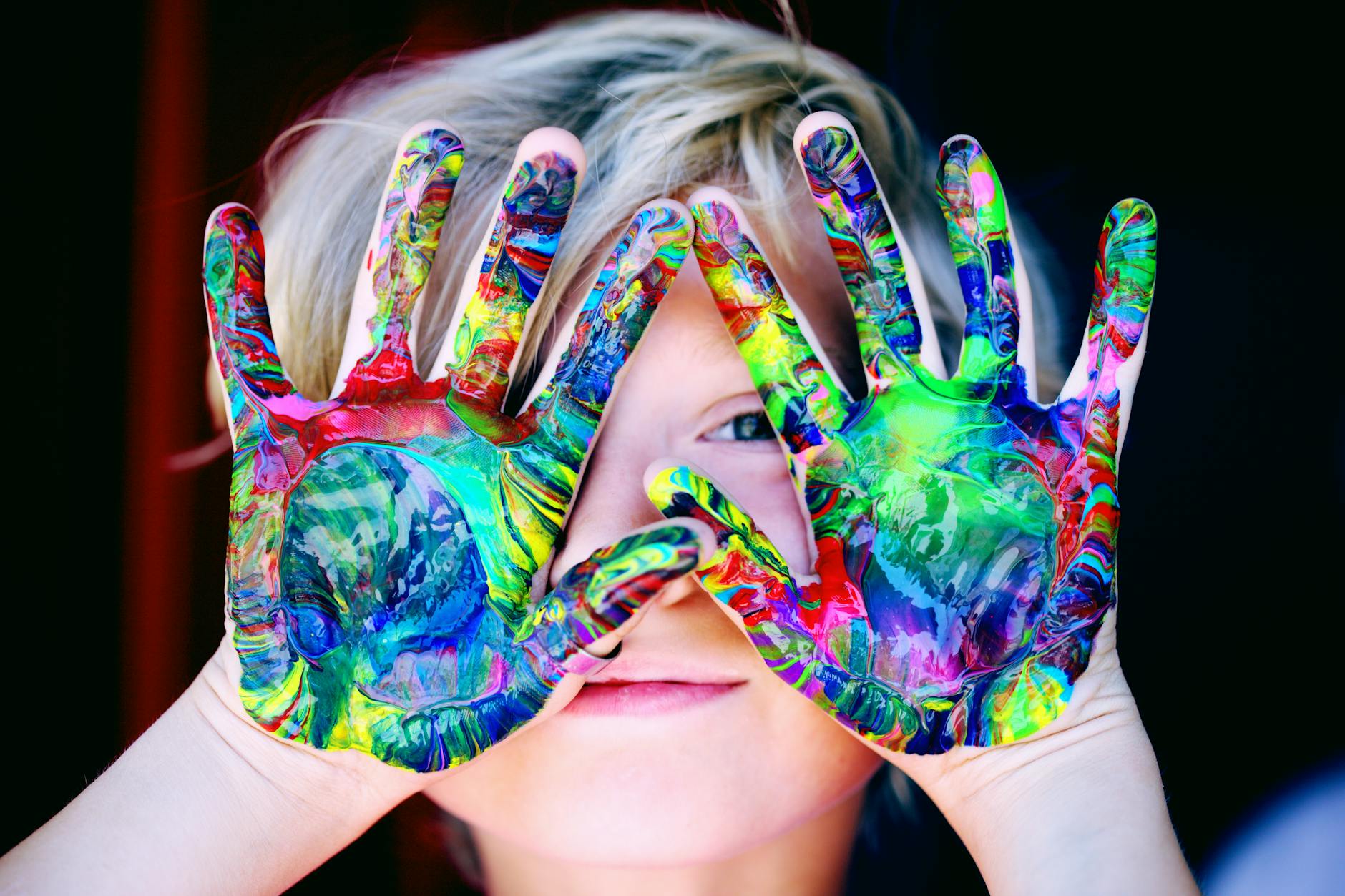
Creative Expression: Arts and crafts provide a platform for children to explore and communicate their feelings and thoughts through various forms of art. This exploration is fundamental in nurturing creative confidence.
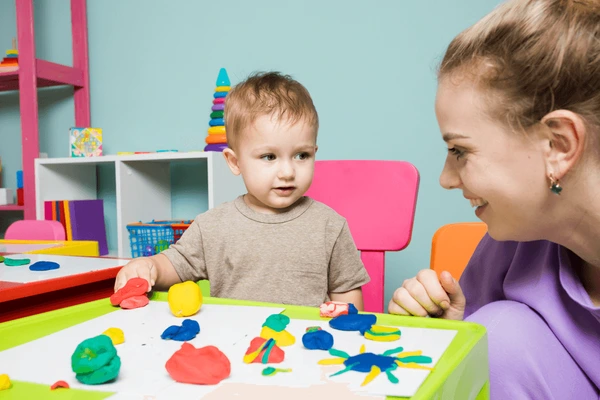
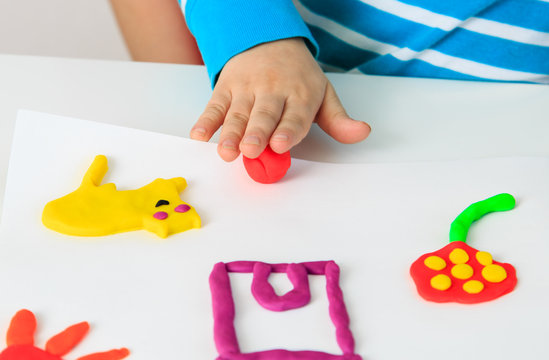
Fine Motor Skills Improvement: Manipulating craft materials, such as scissors and paintbrushes, enhances fine motor skills and hand-eye coordination. These skills are vital not just for art projects but also for daily activities, like writing and buttoning shirts.
Problem-Solving: As children engage with art materials, they learn to navigate challenges and find creative solutions, fostering critical thinking. The process-focused creation encourages experimentation without fear of mistakes.
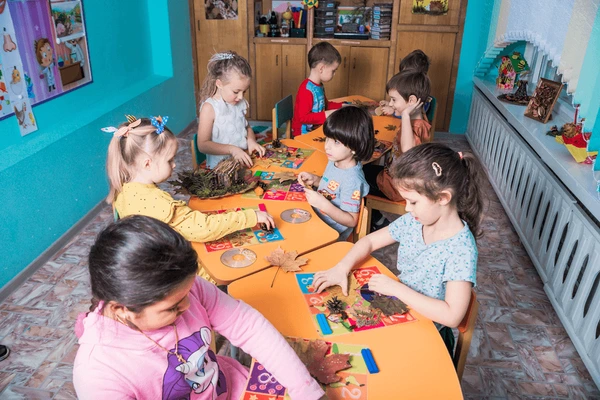
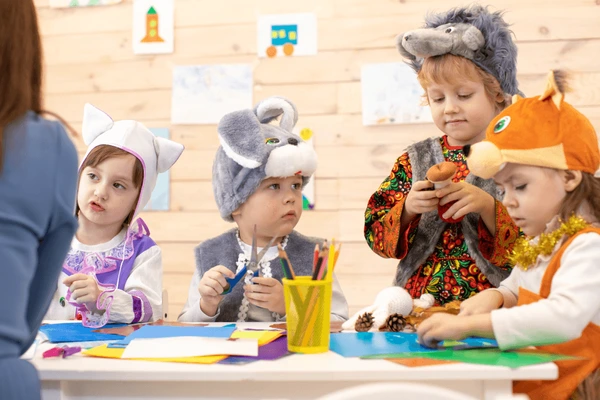
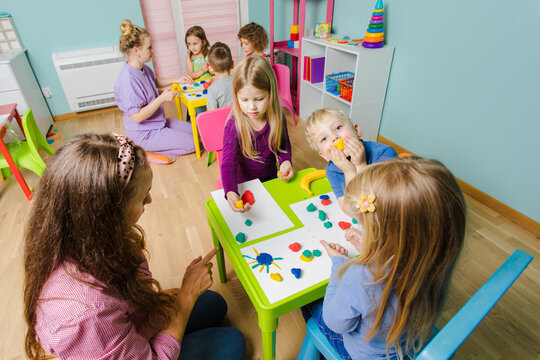
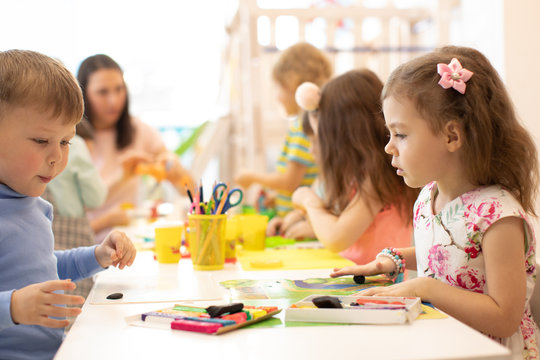
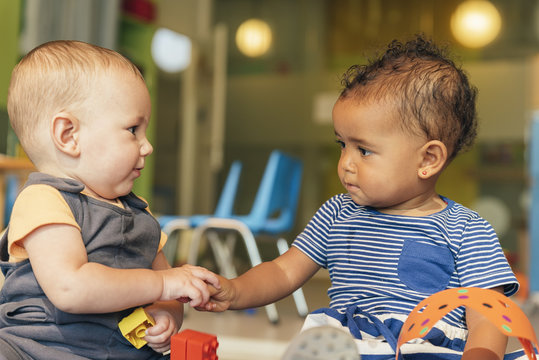
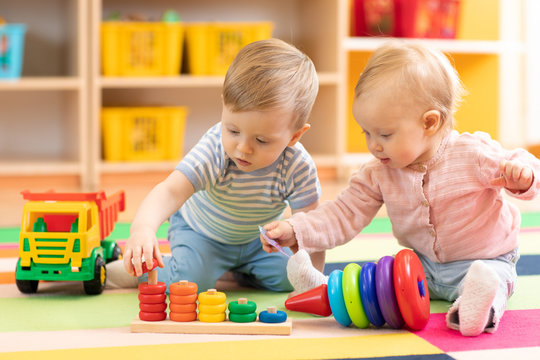
Collaboration in Art Activities: Group projects enhance social skills, teaching kids to share, take turns, and collaborate effectively. These interactions build teamwork and communication—skills essential for future careers.
By immersing in arts and crafts, children gain invaluable skills that support their overall development while having fun!
| Developmental Area | Benefits | Description |
|---|---|---|
| Creative Expression | Enhanced self-expression | Children express unique ideas and emotions |
| Fine Motor Skills | Improved coordination and dexterity | Essential for tasks like writing |
| Problem-Solving | Strengthened critical thinking | Encourages navigating challenges creatively |
| Collaboration | Enhanced social skills | Promotes teamwork and communication |
These intertwining benefits shape well-rounded individuals and contribute to confident, independent thinkers.
Nurturing Independence and Creativity through Art Education

Freedom of expression
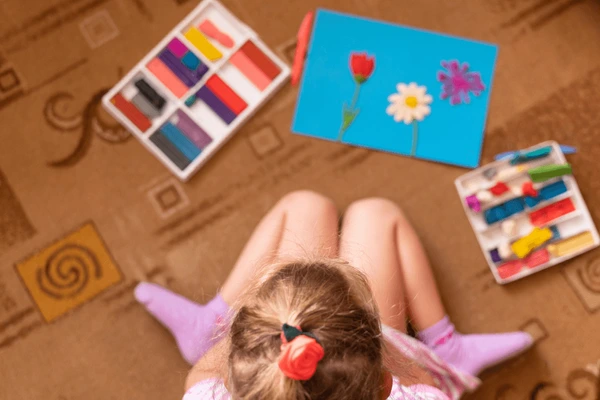
The establishment of a creation station stimulates children's independent thinking and creativity. With materials like craft sticks and beads at their fingertips, children can make choices about their projects, pushing their imaginative boundaries. By regularly rotating these materials, engagement stays fresh, encouraging children to try new approaches and express their unique ideas.
Personal growth through art
Art education promotes personal growth by allowing for self-discovery. As children experiment with crafting techniques, they develop decision-making skills and learn to navigate challenges independently. This hands-on approach enables them to gain confidence in their abilities, fostering a sense of ownership over their creative process. The focus on the journey rather than the final product encourages children to embrace mistakes as part of their learning experience.
Emotional resilience
Engaging in creative activities supports emotional resilience. Projects like drawing or sculpting provide children a means to articulate complex feelings, helping them to process trauma or loss. As they create—be it a collage of their safe places or a self-portrait—they establish deeper connections with their emotions and trusted adults. This exploration reinforces their ability to confront challenges and develop stronger narratives, enhancing both their self-esteem and emotional well-being. Through this journey of creativity, children cultivate skills essential for independent thinking and personal development.
Art as a Catalyst for Critical Thinking Skills
In what ways does art boost students' critical thinking skills?
Art significantly enhances students' critical thinking skills by promoting active observation, analysis, and interpretation of various art forms. This engagement allows students to draw meaningful connections and rational judgments based on their observations. Educators highlight that critical thinking involves evaluating issues thoughtfully, which is essential in navigating the complexities of modern life.
When students interact with art, they develop heightened observational skills, foundational for honing critical thinking. For instance, when children analyze intricate works of art, they learn to question and interpret symbols, colors, and techniques, building their analytical skills.
Tolerance and empathy development
Exposure to diverse artistic expressions fosters tolerance and empathy in students. By exploring artworks from various cultures and perspectives, students can see the world through others' eyes, cultivating understanding and compassion. This empathetic engagement can translate into greater social awareness and conflict resolution skills, essential for building harmonious communities.
Impact on academic performance
The benefits of art education extend to improved academic performance. Research has found a correlation between student participation in art programs and higher test scores, along with enhanced graduation rates. The creative thinking nurtured through art lays a foundation for excel in various subjects, encouraging innovative approaches to problem-solving and heightened retention of concepts across the curriculum.
Overall, integrating art within educational settings not only boosts critical thinking but also enriches students’ emotional intelligence, paving the way for their future successes.
Academic Success Through Art Integration
How does art contribute to students’ academic success?
Art plays a crucial role in enhancing students’ academic success in various ways. For one, it nurtures critical and creative thinking skills, allowing students to explore problems and solutions from diverse perspectives. Engaging in artistic activities promotes a mindset conducive to innovative thinking, which is essential not only in art but also in other academic disciplines like math and science.
Moreover, art education often increases students' motivation and interest in their learning. When students are involved in creative projects, they become more eager to participate, leading to heightened overall engagement in their academic pursuits. This connection becomes evident as students participate in hands-on art activities that reinforce core curricular subjects, seamlessly blending creative expression with traditional learning.
Cross-disciplinary benefits of art integration are significant. As students engage in creating art, they develop skills such as fine motor skills, problem-solving abilities, and coordination—skills that are transferable to academic tasks like writing and science experiments. This holistic approach not only strengthens individual subjects but also helps students see the interconnections between different areas of knowledge, paving the way for a more enriching educational experience.
Balancing Process and Product in Art Education
What is the significance of balancing product-focused and process-focused art in education?
Balancing product-focused and process-focused art in education is significant because it fosters a comprehensive learning experience that values both the journey of creation and the final outcome. Product-focused art emphasizes the importance of achieving specific results, which can motivate students and provide tangible evidence of their work. In contrast, process-focused art encourages exploration, experimentation, and personal expression, which are essential for developing critical thinking and creativity.
Encouraging exploration
Integrating these two approaches allows children to freely explore materials without the pressure of a predetermined outcome. For instance, the creation station setup promotes self-initiated projects where children can experiment with craft supplies like cotton balls, craft sticks, and beads. This hands-on engagement bolsters their imaginative capabilities and problem-solving skills, ensuring they learn comfortably at their own pace.
Skill mastery
While the focus on the process is vital, mastering specific skills—like fine motor skills through manipulating art supplies—is essential for children. Activities such as sculpting or painting not only enhance coordination and dexterity but also foster an environment of achievement. Children feel a sense of accomplishment, boosting their confidence.
Artistic confidence
Moreover, process-focused art nurtures artistic confidence. By emphasizing experimentation and personal expression, children learn that making mistakes is a natural part of the creative journey. They develop resilience and a willingness to take risks in their art-making, crucial traits for life beyond the classroom. Constructive feedback in a supportive environment encourages them to explore their ideas and perspectives, promoting well-rounded artistic development.
Resources for Nurturing Artistic Thinking in Children
Where can parents and educators find resources to nurture children's artistic thinking and creativity?
Parents and educators can find a wealth of resources to nurture children's artistic thinking and creativity in several places.
- Online Educational Platforms: Websites like Khan Academy and Coursera offer age-appropriate courses that focus on art and creativity.
- Art-Specific Websites: Scholastic and Young Audiences provide a range of activities, lesson plans, and project ideas that inspire creative projects.
- Community Centers: Local community centers frequently host workshops and classes that introduce children to various artistic disciplines.
- Libraries: Many libraries feature specific programs and resources dedicated to enhancing children's artistic skills and creativity.
These resources collectively create an enriching environment where children can explore and develop their artistic abilities.
Therapeutic Use of Arts and Crafts for Cognitive Impairments
How can arts and crafts serve as therapeutic tools for individuals with cognitive impairments?
Arts and crafts act as powerful therapeutic tools for individuals with cognitive impairments by providing essential outlets for emotional expression and cognitive engagement. These creative activities stimulate mental processes, allowing participants to connect with their emotions and thoughts in a non-verbal manner.
Engaging in art-making can particularly enhance fine motor skills and coordination, which might decline due to cognitive challenges. The hands-on nature of arts and crafts promotes dexterity and hand-eye coordination, crucial for daily tasks.
Moreover, the act of creating fosters a sense of accomplishment and self-worth. Each completed project reinforces emotional well-being, boosting self-esteem and encouraging individuals to engage further in social interactions. Collaborative activities not only draw individuals out of isolation but also help develop crucial communication skills through shared experiences.
In essence, arts and crafts provide therapeutic benefits that enhance cognitive function, improve coordination, and foster valuable social skills—all of which are essential for the holistic development of individuals with cognitive impairments.
Conclusion: The Essential Role of Arts & Crafts
As we have explored, arts and crafts activities serve as vital components in fostering independent thinking, creativity, and a host of developmental skills in children. By embracing artistic processes and nurturing environments, educators and parents can significantly influence a child's capacity for critical thought, emotional resilience, and social interaction. Encouraging children to express themselves through art not only prepares them for academic success but also contributes to their overall well-being and personal development. In light of these benefits, integrating arts into educational and home settings becomes not just desirable but necessary for holistic growth.
References
- Encouraging Independence and Creativity with a Creation Station
- Encouraging creativity and independence - Community Playthings
- How Do Arts and Crafts Help Child Development?
- How Art Education Fosters Critical Thinking and Why It Matters
- Does Art Boost a Student's Critical Thinking? - Walden University
- Igniting the Imagination | National Endowment for the Arts
- Encouraging Creativity in Kids Through Arts and Crafts Activities

















.avif)


.avif)


