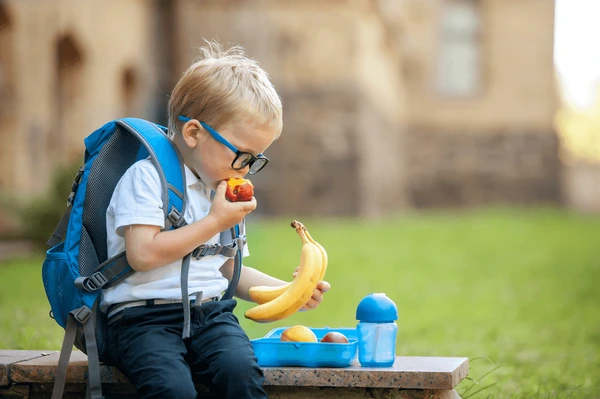
Promoting Healthy Habits
When it comes to promoting healthy eating habits in toddlers, engaging children in meal preparation and role modeling healthy eating behaviors play significant roles in establishing lifelong habits.
Engaging Children in Meal Prep
Involving kids in meal planning and preparation is a powerful way to instill healthy habits in toddlers. It not only allows children to become familiar with different foods and ingredients but also helps them develop essential executive function skills for healthy development. By participating in meal prep, children can learn about the nutritional value of foods, understand portion sizes, and foster a positive relationship with food.
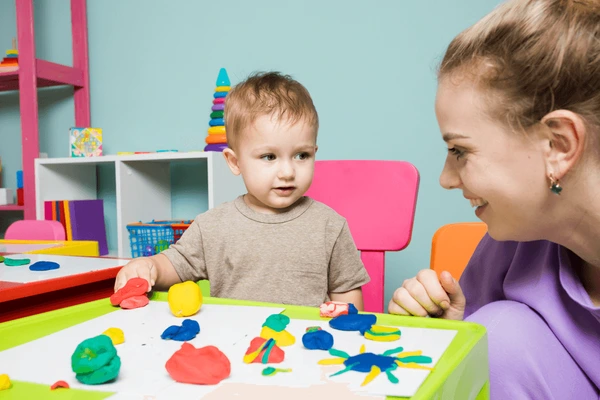
Encouraging children to be part of the cooking process can make mealtimes more enjoyable and interactive. Simple tasks like washing vegetables, stirring ingredients, or setting the table can boost children's confidence and independence. It also provides an opportunity for quality family time and strengthens the bond between parents and children.
Role Modelling Healthy Eating
Parents play a crucial role in shaping a child's eating behavior and food choices. Research has shown that parents are the most dominant determinants of a child's dietary habits. Hence, it is essential for parents to act as positive role models and expose their children to a variety of nutritious food choices.
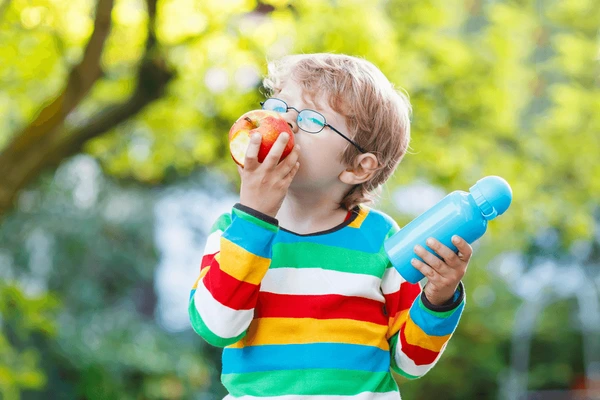
Leading by example is key when it comes to encouraging healthy eating in toddlers. Children are more likely to adopt healthy eating habits when they see adults around them making nutritious choices. By incorporating fruits, vegetables, whole grains, and lean proteins into their own diets, parents can set a positive example for their children to follow.
To create a positive mealtime environment, parents should avoid power struggles over food and refrain from using food as a reward or bribe. Instead, parents can offer a variety of healthy food options and allow children some control over their food choices within set boundaries. This approach promotes autonomy and helps children develop a positive attitude towards food and eating.
By engaging children in meal prep and modeling healthy eating behaviors, parents can lay a strong foundation for healthy eating habits in toddlers. Encouraging a positive relationship with food from a young age can have a lasting impact on children's overall health and well-being. For more tips on introducing new foods to toddlers, visit our article on how to introduce new foods to toddlers.
Involving Children in Food Choices
When it comes to encouraging healthy eating in toddlers, involving children in food choices can have a significant impact on their relationship with food and overall nutrition. By engaging toddlers in meal planning and allowing them to have a say in their food options, parents can promote a positive eating environment and cultivate healthy habits.
Meal Planning Together
Involving kids in meal planning and prep not only fosters a sense of independence but also helps them become comfortable in the kitchen and develop essential executive function skills for healthy development. By discussing meal options with children, letting them pick meals for the week, and allowing them to participate in cooking, parents can guide toddlers towards healthier eating habits.
Creating shopping lists together and sharing the responsibility of cooking can engage children in the process of making nutritious meals. Children who are encouraged to be involved in meal preparation are more likely to try new varieties of food, ultimately broadening their palate and nutritional intake(Quora). For more guidance on nutritious meal planning for daycare, check out our article on nutritious meal planning for daycare.
Offering Meal Options
An effective way to involve children in food choices is by offering them a selection of meal options to choose from. Presenting toddlers with 2-3 meal alternatives, emphasizing healthier versions of these options, even if they mimic traditional "junk food," can empower children to make nutritious choices.
The key is to focus on incorporating adequate protein, whole grains, balanced fats, vegetables, fruits, and nuts while minimizing added sugars, processed fats, and refined grains. Transforming typical kid-friendly meals like burgers, pizzas, and fries into healthier versions by using whole grain bread, vegetables, lean meats, eggs, and low-fat cooking methods such as grilling or baking can contribute to a wholesome diet for children.
By involving toddlers in the decision-making process when it comes to meal options, parents can empower them to make informed choices, explore new foods, and develop a positive attitude towards healthy eating. Offering a variety of nutritious lunch and dinner choices not only caters to toddlers' taste preferences but also ensures they receive a well-rounded and nourishing diet throughout the day. For additional healthy snack ideas for toddlers, take a look at our article on healthy snack ideas for toddlers in daycare.
Making Mealtime Fun
To foster healthy eating habits in toddlers, incorporating fun elements into mealtime can significantly impact their willingness to try new foods and enjoy the dining experience. Creative meal ideas and fun food presentation play a vital role in making mealtime an engaging and enjoyable activity for young children.
Creative Meal Ideas
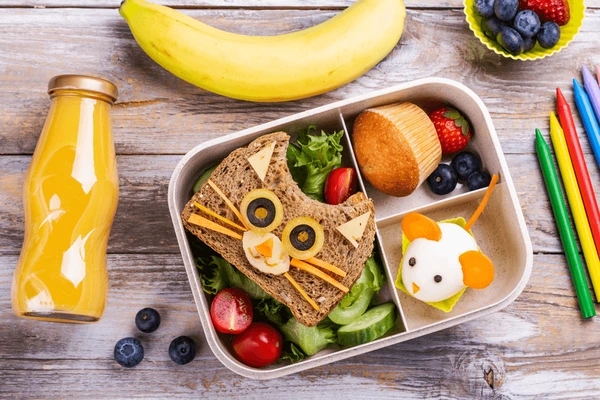
Incorporating creativity into meal preparation can transform ordinary dishes into exciting culinary adventures for toddlers. Here are some inventive meal ideas that can captivate toddlers' imaginations and appetites:
- Octopus Hot Dogs: Transforming hot dogs into friendly octopi is both fun and visually appealing, as kids are drawn to playful and colorful food presentations.
- Sandwich Puzzle: Turning a sandwich into a puzzle not only introduces an element of play but also makes mealtime interactive and engaging for toddlers [5].
- English Muffin Man Face: Creating faces with food on an English muffin provides a creative canvas for introducing colorful and nutritious ingredients, making the meal visually appealing and exciting for toddlers.
- Cool Caterpillar Plate: Inspired by the classic children's book "The Very Hungry Caterpillar," this meal idea incorporates a playful theme that can spark toddlers' interest and encourage them to explore different foods creatively.
Fun Food Presentation
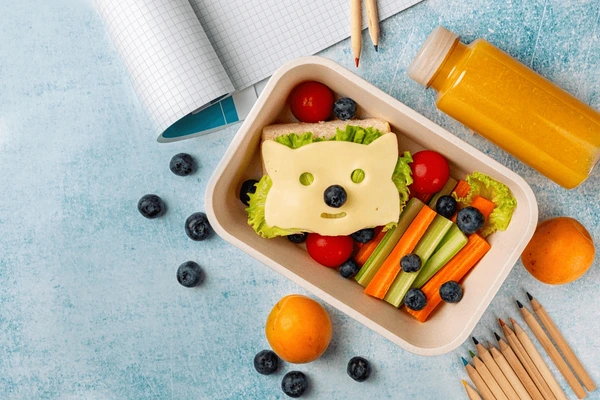
Beyond creative meal ideas, the presentation of food plays a crucial role in enticing toddlers to eat nutritiously. Fun and visually appealing food arrangements can make mealtime exciting and encourage children to engage with a variety of foods. Here are some tips for fun food presentation:
- Colorful and Vibrant Plates: Incorporate a variety of colorful fruits, vegetables, and other nutritious foods to create visually appealing plates that attract toddlers' attention and stimulate their curiosity.
- Shapes and Patterns: Use cookie cutters or food molds to create food shapes or patterns that add a playful touch to dishes, making them more inviting for toddlers to explore and enjoy.
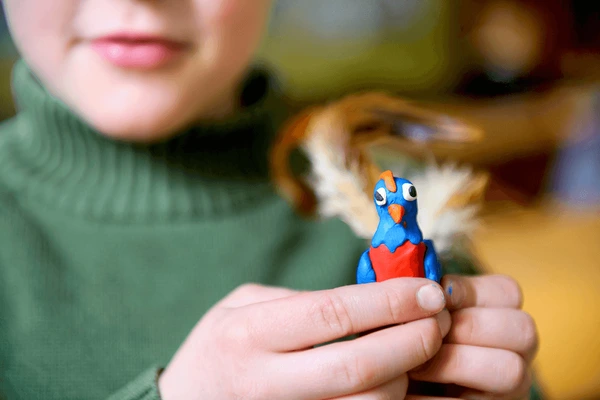
- Food Art: Transforming food into art pieces by arranging ingredients creatively on plates can make mealtime a creative and enjoyable experience for toddlers, encouraging them to try new foods and textures.
By introducing creative meal ideas and implementing fun food presentation techniques, caregivers and parents can make mealtime an engaging and positive experience for toddlers, fostering a love for healthy eating habits that can last a lifetime.
Encouraging Variety in Diet
When it comes to fostering healthy eating habits in toddlers, ensuring a diverse diet that encompasses a range of nutrients is essential for their growth and development. Variety in their diet not only introduces them to different flavors and textures but also provides a balanced nutritional intake to support their overall well-being.
Balanced Nutritional Intake
Incorporating a mix of proteins, healthy fats, complex carbohydrates, fibers, vitamins, and minerals into a toddler's diet is akin to providing building blocks for their growth and development. These essential nutrients play a vital role in fueling their bodies and minds as they navigate the crucial stages of early childhood.
Nutrient Type Examples
- Proteins: Tofu stir-fry with colorful veggies
- Healthy Fats: Avocados, nut butter, almonds, fish
- Complex Carbohydrates: Sweet potatoes, whole grains
- Vitamins and Minerals: Fruits, vegetables
By offering a balanced mix of food groups, parents and caregivers can ensure that toddlers receive the necessary nutrients to support their growth, brain development, and immune function.
Introducing New Foods
To broaden a toddler's culinary horizons, introducing new foods into their diet is key to expanding their palates and promoting a varied nutritional intake. Colorful carbohydrates from plants, such as sweet potatoes and fruits, are rich in essential nutrients that support gut health and overall well-being [6].
Food Category Tips
- Fruits and Vegetables: Involve children in selecting new produce at the store
- Whole Grains: Experiment with different types of grains like quinoa, brown rice
- Plant-Based Proteins: Try incorporating legumes like lentils or chickpeas
Introducing a variety of new foods not only exposes toddlers to different tastes and textures but also ensures they receive a wide array of nutrients essential for their growth and development. Encouraging them to explore and embrace new foods from an early age can set the foundation for a lifetime of healthy eating habits. For further guidance on incorporating new foods into a toddler's diet, explore our article on how to introduce new foods to toddlers.
Positive Mealtime Environment
Creating a positive mealtime environment for toddlers plays a crucial role in fostering healthy eating habits and promoting wellbeing. Two key aspects that significantly contribute to a positive mealtime environment are the importance of family meals and practicing mindful eating.
Importance of Family Meals
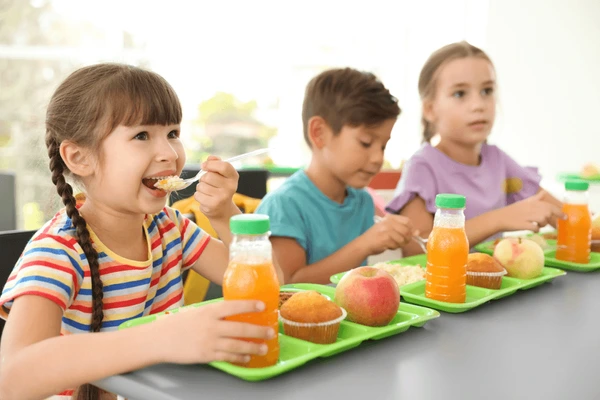
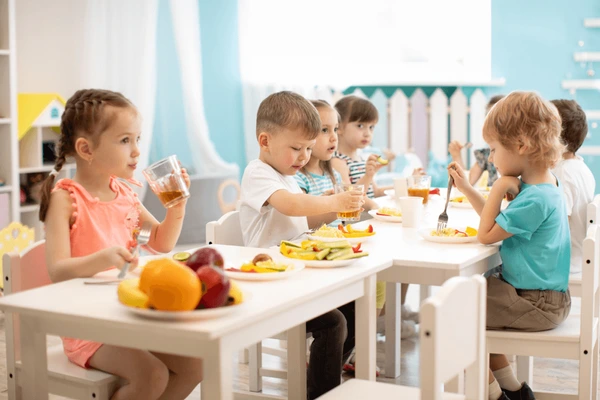
Family meals are not just about sharing a table; they are significant events in a child's life that have long-lasting effects on their development and well-being. Research published by NCBI has shown that family meals are linked to the child's weight status and the formation of healthy eating patterns. Children who engage in regular family meals are more likely to have a balanced diet and develop positive eating behaviors.
According to KidsHealth, family meals provide a comforting ritual for both parents and children. They create a sense of togetherness and allow for quality time spent catching up with each other. The predictability of family meals helps children feel secure and increases their willingness to try new foods. Therefore, making an effort to have regular family meals can positively impact a child's relationship with food and overall health.
Mindful Eating Practices
Practicing mindful eating during mealtimes is essential for toddlers as it encourages them to pay attention to their body's hunger and fullness cues. According to CSU Source, eating together as a family without distractions promotes mindful eating. By focusing on the meal and being present in the moment, children are more likely to enjoy their food, recognize when they are full, and develop a healthy relationship with eating.
Engaging in mindful eating practices allows children to savor the flavors and textures of food, leading to a more enjoyable dining experience. By encouraging mindfulness during meals, parents can help toddlers develop a deeper appreciation for food and cultivate healthy eating behaviors from an early age.
By emphasizing the importance of family meals and promoting mindful eating practices, caregivers can create a positive mealtime environment that supports healthy eating habits and overall well-being in toddlers. Through these practices, children can develop a positive attitude towards food, establish healthy eating behaviors, and form lasting memories around communal dining experiences.
Building Healthy Relationships with Food
Establishing healthy relationships with food in toddlers is crucial for their long-term well-being. Avoiding the use of a food reward system and steering clear of food bribes are essential strategies to promote positive eating habits.
Avoiding Food Reward System
Using food as a reward can lead to unhealthy eating patterns and emotional associations with specific foods. Studies show that excessive control over children's food intake and concerns about their weight can contribute to the development of obesogenic eating behaviors, such as emotional eating and overeating [2]. Forcing children to eat certain foods in exchange for rewards can create negative associations with food and may result in resistance to trying new foods.
Instead of incentivizing or linking food to specific behaviors, it's advised to offer a variety of nutritious foods without associating them with rewards. Encouraging children to explore and enjoy a diverse range of foods based on their natural flavors and textures can help foster a positive relationship with food.
No Food Bribes
Engaging in food bribes with toddlers can disrupt their natural hunger cues and preferences. Parents are encouraged not to engage in battles over food choices with their children. Rather than bargaining or bribing kids to eat certain foods, allowing children some autonomy over their food decisions while still offering healthy options at home is a more effective approach.
Respecting children's appetites and preferences can empower them to make healthy choices and develop a positive attitude towards eating. A collaborative approach where children are offered a selection of nutritious foods without coercion or bribery can help them establish a balanced relationship with food.
By avoiding the food reward system and refraining from using food as a bribe, parents and caregivers can create a supportive environment that encourages toddlers to develop healthy eating habits based on enjoyment and nourishment. Emphasizing a positive and inclusive approach to mealtimes can set the foundation for a lifelong appreciation of nutritious foods and a harmonious relationship with eating.
Developing Independence in Eating
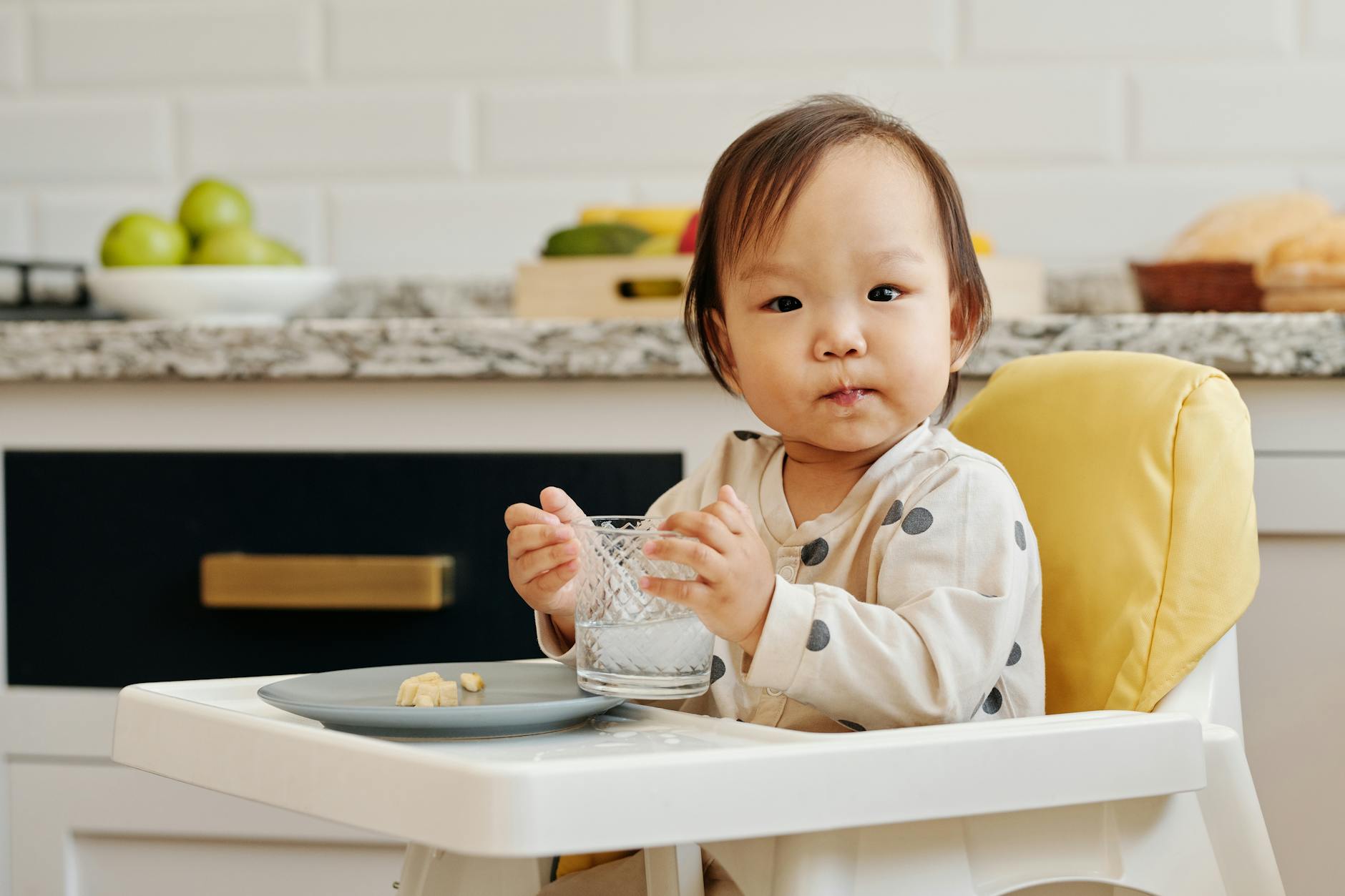
In nurturing healthy eating habits in toddlers, it is vital to focus on fostering their independence in eating and respecting their food choices. By encouraging self-feeding and acknowledging their preferences, caregivers can enhance children's relationship with food and promote positive mealtime experiences.
Encouraging Self-Feeding
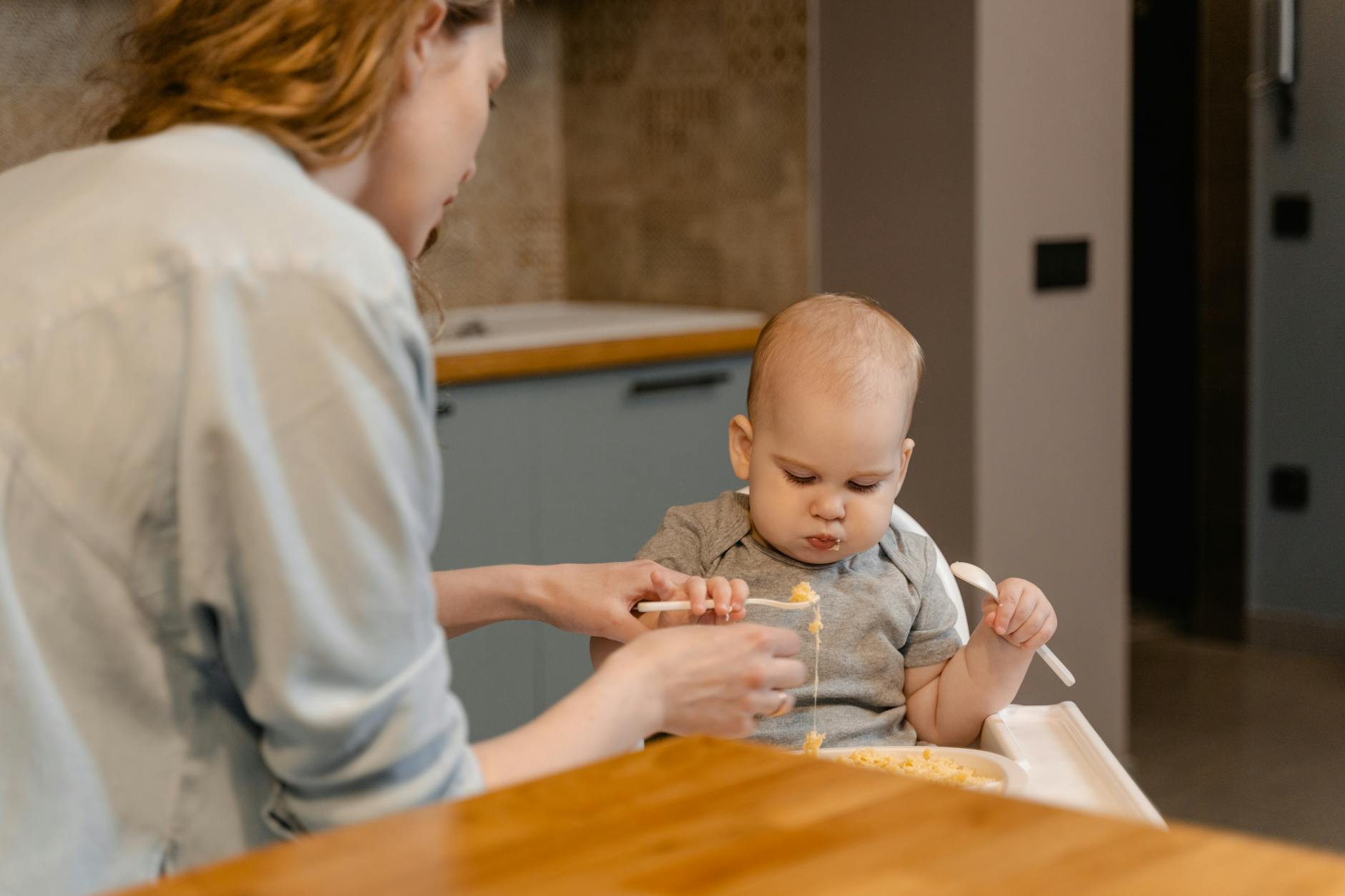
Encouraging toddlers to feed themselves is a significant step towards fostering independence and developing healthy eating behaviours. Research from CSU Source shows that allowing children to take the lead in feeding themselves can promote active engagement with their meals. It also helps them tune into their internal hunger and fullness cues, contributing to a healthier approach towards eating.
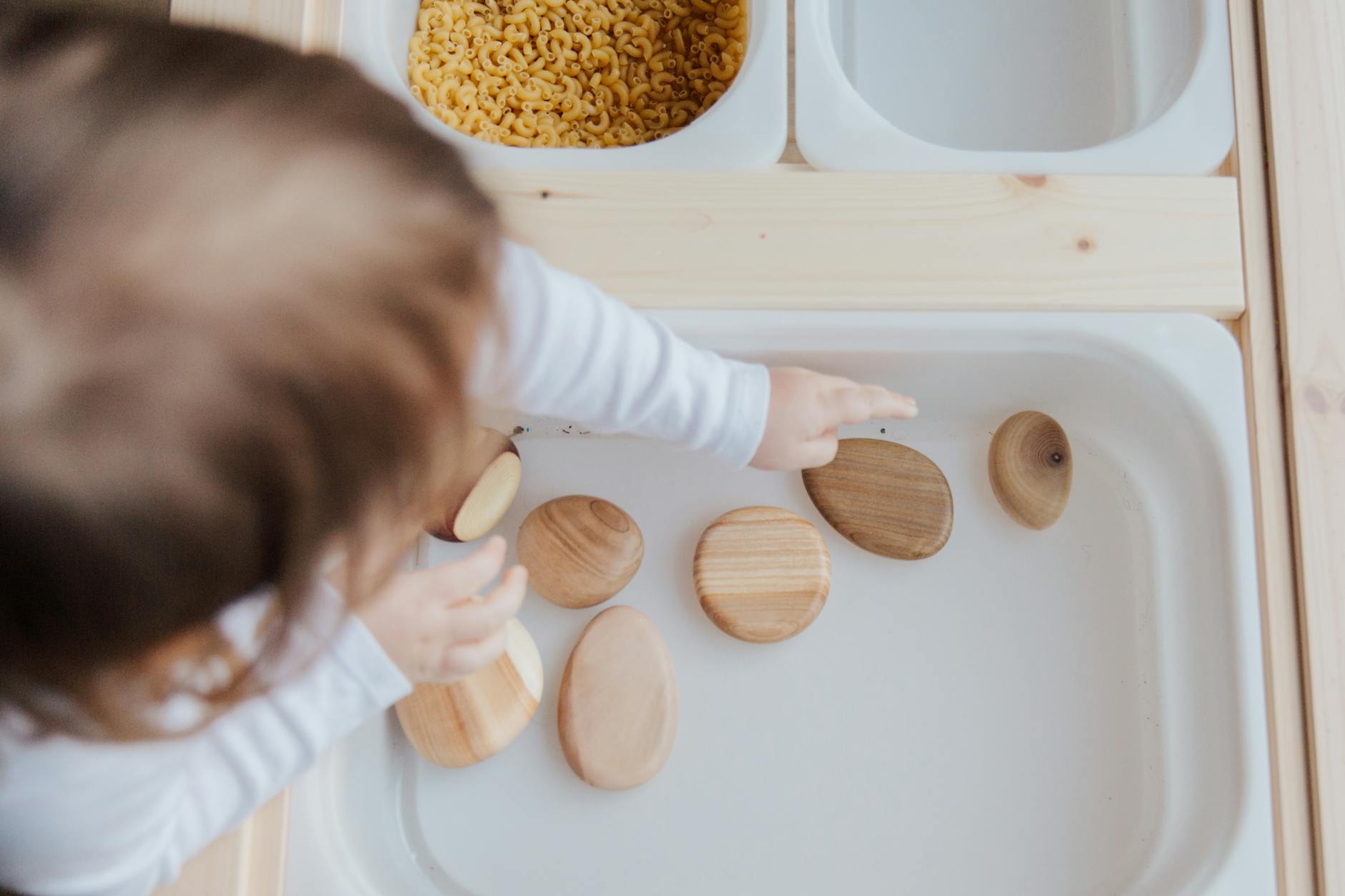
When children actively participate in feeding themselves, they are more likely to explore different textures and flavours, promoting a sense of autonomy and self-discovery. Providing toddlers with age-appropriate utensils and food choices encourages them to develop essential motor skills and enhances their mealtime experiences.
Respecting Food Choices
It is crucial to respect toddlers' food choices to cultivate a positive relationship with food and mealtime. Forcing children to eat specific foods can lead to negative associations and resistance towards mealtimes. According to CSU Source, offering children the freedom to make choices empowers them and reduces mealtime conflicts.
Caregivers should create a supportive meal environment where children feel comfortable expressing their preferences without judgment. If a toddler refuses a certain food, it is essential to acknowledge their decision with a simple "Okay" and provide alternative options. By respecting children's food choices, caregivers promote a healthy attitude towards eating and encourage a varied and balanced diet.
By encouraging self-feeding and respecting children's food choices, caregivers can empower toddlers to develop a positive relationship with food and mealtimes. These practices contribute to the overall well-being of toddlers and lay the foundation for lifelong healthy eating habits.
Nutrient-Rich Meal Ideas
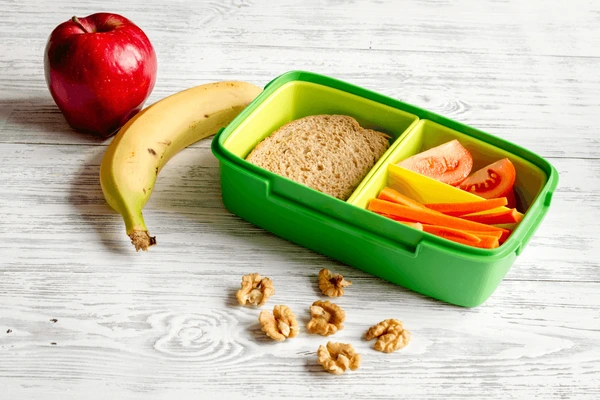
Providing toddlers with nutrient-rich meals is essential for their growth and development. Offering wholesome breakfast options and nutritious lunch and dinner choices can help establish healthy eating habits from a young age.
Wholesome Breakfast Options
A nutritious breakfast sets the tone for the day and ensures that toddlers have the energy they need to stay active and focused. Here are some wholesome breakfast ideas that are both delicious and packed with essential nutrients:
Meal Option Ingredients
- Fruit and Yogurt Parfait: Greek yogurt, mixed berries, granola
- Whole Grain Pancakes: Whole grain flour, mashed bananas, cinnamon
- Veggie Omelette: Eggs, bell peppers, spinach, cheese
- Oatmeal with Nut Butter: Rolled oats, almond butter, sliced bananas
- Chia Seed Pudding: Chia seeds, almond milk, honey, fresh fruit
By incorporating a variety of food groups into breakfast, toddlers can benefit from a well-rounded meal that provides a good mix of carbohydrates, protein, and healthy fats. These nutrient-rich options can help toddlers start their day on the right nutritional foot.
Nutritious Lunch and Dinner Choices
Lunch and dinner are important opportunities to continue offering toddlers a diverse range of nutrients to support their development. Here are some nutritious meal ideas for lunch and dinner:
Meal Option Ingredients
- Baked Salmon: Salmon fillets, lemon, garlic, green beans
- Quinoa Stir-Fry: Quinoa, mixed vegetables, tofu, soy sauce
- Turkey and Sweet Potato Skewers: Turkey breast, sweet potatoes, bell peppers
- Lentil Soup: Lentils, carrots, celery, onions, vegetable broth
- Cauliflower Mac and Cheese: Cauliflower, whole grain pasta, cheddar cheese
These lunch and dinner choices are designed to be both appealing to toddlers and packed with essential nutrients. By including a variety of protein sources, whole grains, and vegetables in these meals, toddlers can receive a balanced nutritional intake that supports their growth and overall well-being.
When planning meals for toddlers, it's important to offer a diverse selection of foods, introduce new flavors and textures, and involve children in the meal preparation process. By creating a positive and engaging mealtime environment, caregivers can instill healthy eating habits in toddlers that will benefit them throughout their lives. For more tips on nutritious meal planning for daycare, check out our article on nutritious meal planning for daycare.
References
[1]: https://sparkandstitchinstitute.com/how-to-involve-your-kids-in-meal-planning-and-meal-prep/
[2]: https://pmc.ncbi.nlm.nih.gov/articles/PMC6024598/
[3]: https://kidshealth.org/en/parents/habits.html
[5]: https://www.thebump.com/a/15-creative-meal-ideas-for-toddlers

















.avif)


.avif)


