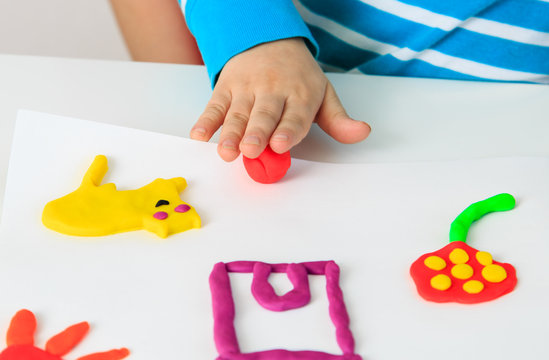
Importance of Art in Daycare
In the daycare setting, art plays a pivotal role in enhancing cognitive development and promoting socio-emotional growth among young children.
Enhancing Cognitive Development
Art education significantly impacts cognitive development by nurturing creativity and problem-solving skills in children. Studies reveal that engaging in art activities can boost memory, problem-solving abilities, learning, and creativity. Through art, children can think innovatively, make better decisions, and form connections between ideas.
Art fosters imagination and self-expression, allowing children to explore new concepts and think creatively [2]. Art activities stimulate the brain uniquely, encouraging critical thinking and problem-solving skills. The mental engagement involved in art can lead to improved mental health, reduced stress, and even personal growth.
Cognitive Benefits of Art in Daycare
- Memory Enhancement: Promotes better retention and recall of information.
- Improved Problem-Solving: Encourages critical thinking and effective decision-making.
- Creative Thinking Skills: Fosters imaginative approaches to challenges and new ideas.
- Enhanced Learning: Supports faster and deeper understanding of new concepts.
- Boost in Creativity: Inspires original ideas and innovative thinking.
For more insights on the cognitive benefits of art in daycare, explore our article on teaching shapes & patterns through daycare crafts.
Promoting Socio-Emotional Growth
Art education in daycare settings also plays a crucial role in nurturing social and emotional development in children. Collaborative art projects provide a platform for children to work together, share ideas, and express emotions. Through art, children learn to appreciate different perspectives, develop self-awareness, and use art as a therapeutic outlet for processing emotions.
Participating in visual arts, theatre, and music activities fosters empathy and helps children connect with others, enhancing emotional intelligence and social awareness [3]. These skills are essential for forming meaningful relationships, understanding diverse viewpoints, and navigating social interactions.
Social and Emotional Advantages of Art in Daycare
- Enhanced Empathy: Fosters a deeper understanding of others' feelings and perspectives.
- Improved Social Connection: Strengthens relationships and promotes a sense of belonging.
- Self-Expression: Provides a safe space for individuals to communicate thoughts and emotions.
- Therapeutic Outlet: Offers a means to process emotions and reduce stress.
- Appreciation of Diversity: Encourages respect for different viewpoints, cultures, and experiences.
To further explore the socio-emotional benefits of art activities in daycare, check out our article on building patience & self-regulation with daycare crafts.
Art in daycare not only contributes to cognitive and emotional development but also offers a holistic learning experience that prepares children for future academic and personal successes.
Impact of Art Education
Art education plays a significant role in the cognitive and social-emotional development of children, offering both cognitive benefits and social and emotional advantages.
Cognitive Benefits
Integrating arts into early education curriculum allows children to develop advanced problem-solving skills by engaging in scientific and artistic ways of thought and behavior. Art-based activities help children learn fundamental scientific skills such as observation, communication, and organization, laying a strong foundation for cognitive development.
Studies have shown that participation in art education can enhance performance in subjects like science and math [3]. The creativity and freedom that artistic expression provides contribute to improved logic, reasoning, and problem-solving abilities in children.
In early childhood education, creative thinking is emphasized as a crucial skill for children to express their emotions effectively, develop problem-solving skills, and approach events from different perspectives. By engaging in art activities, children have the opportunity to form cause-effect relationships, enhancing their cognitive abilities and fostering a unique outlook on the world around them.
Social and Emotional Advantages
In addition to cognitive benefits, art education offers a range of social and emotional advantages for children. Performing arts activities like singing, dancing, and playing music promote cognitive development by encouraging creative thinking, problem-solving, and critical analysis. Participation in these activities can help children build confidence, motivation, and resilience, preparing them to tackle challenges with a positive mindset.
Creative arts and crafts projects provide a platform for children to explore various learning fields, including science, engineering, and math [6]. By delving into these subjects through artistic expression, children develop critical thinking skills and problem-solving abilities, fostering a holistic approach to learning.
Embracing the impact of art education in daycare not only enhances cognitive development but also promotes social interactions and emotional wellbeing in children. By incorporating art into the curriculum, daycare centres create a nurturing environment where children can explore their creativity, build essential skills, and cultivate a love for learning that extends beyond the classroom.
Art Activities in Daycare
Fine Motor Skills Development
Sensory Perception Enhancement
Engaging in art activities plays a vital role in nurturing children's development, particularly in fine motor skills and sensory perception. These fundamental skills are honed through hands-on art experiences in daycare settings, providing children with a strong foundation for growth and learning.
Fine Motor Skills Development
Art education in daycare settings is a cornerstone for enhancing fine motor skills, hand-eye coordination, and spatial awareness in children. By participating in art activities with various materials like crayons, paintbrushes, and scissors, youngsters refine their dexterity and control. These activities involve intricate movements that require precision, helping children strengthen their grip and manipulation of tools. Through the process of cutting, coloring, and drawing, kids refine their hand movements, leading to improved coordination and stability.
Furthermore, engaging in fine motor skill activities fosters creativity and imagination in children. As they manipulate art tools and materials, they not only enhance their physical capabilities but also explore their artistic potential. This dual benefit of skill development and creative expression is essential for a child's overall growth and cognitive advancement [2].
Sensory Perception Enhancement
Art activities in daycare settings serve as a platform for children to develop their sensory perception and integration skills. By immersing themselves in a multisensory environment filled with textures, colors, and materials, kids enhance their sensory processing abilities. Exploring different tactile sensations and visual stimuli through art engages their senses and stimulates cognitive development.
Through activities that involve touch, sight, and even sometimes smell, children are exposed to a diverse range of sensory experiences that contribute to their overall sensory development. Building sensory perception in daycare through art fosters a deeper understanding of the world around them and enhances their ability to make connections between different sensory inputs [2].
By incorporating art into the daycare curriculum and daily activities, educators provide children with a holistic learning experience that nurtures their creativity, cognitive development, and social-emotional skills. The combination of fine motor skill development and sensory perception enhancement through art activities creates a well-rounded educational environment that promotes positive learning outcomes and overall development.
Collaborative Art Projects
Collaborative art projects play a vital role in daycare settings by nurturing essential skills and abilities in young learners. Through these projects, children have the opportunity to engage in teamwork, foster creativity, and express themselves artistically.
Fostering Teamwork Skills
Engaging in collaborative art projects in daycare settings is an effective way to foster teamwork skills among children. By working together on a shared artistic creation, youngsters learn to collaborate, communicate, and problem-solve as a team. This collaborative effort encourages them to share ideas, respect each other's contributions, and appreciate different perspectives.
In the process of collaborating on art projects, children develop important social skills such as cooperation, negotiation, and conflict resolution. They learn the value of listening to others, compromising, and working towards a common goal. These experiences help them build strong interpersonal relationships and prepare them for future interactions in various social settings.
Encouraging Creative Expression
In addition to promoting teamwork skills, collaborative art projects in daycare settings encourage creative expression among children. By participating in group art activities, youngsters have the freedom to explore their creativity, experiment with different artistic techniques, and express their unique ideas and emotions through art.
Collaborative art projects provide a platform for children to unleash their imagination, think outside the box, and contribute to the collective vision of the group. They are encouraged to take artistic risks, experiment with new mediums, and embrace the process of creating art together. This encourages them to think creatively, problem-solve, and develop a sense of ownership and pride in their collective work.
By engaging in collaborative art projects, children in daycare settings not only enhance their artistic skills but also cultivate valuable social and emotional competencies that will benefit them in their academic and personal lives. These projects create a nurturing environment where children can learn, grow, and thrive collectively, fostering a sense of community and shared achievement.
Cognitive Development Through Art
Art plays a crucial role in fostering cognitive development in young children, offering them opportunities to enhance critical thinking skills and strengthen visual-spatial abilities.
Critical Thinking Skills
Engaging in artistic activities encourages children to think critically, analyze situations, and explore solutions from various perspectives. According to NCBI, creativity has a significant impact on children's development, enabling them to consider problems from different angles and create innovative solutions. By participating in art projects, children can develop their problem-solving skills, experiment with different techniques, and express their ideas creatively. These experiences contribute to building self-confidence, independence, and a deeper understanding of cause-effect relationships.
Visual-Spatial Abilities Strengthening
Participating in art education helps strengthen children's visual-spatial abilities, which are essential for tasks such as reading maps, understanding diagrams, and visualizing objects in different orientations. Studies, such as those cited by The Spoke - Early Childhood Australia, demonstrate that children who engage in artistic practice and creative thinking tend to excel in subjects like science and mathematics. Art activities stimulate the brain's visual processing, spatial reasoning, and memory functions, laying a foundation for improved performance in various cognitive tasks.
Artistic exploration not only nurtures creativity but also improves cognitive abilities such as memory, problem-solving, learning, and decision-making. As highlighted by Greatmoreart, brain science studies show that art can significantly enhance cognitive development and creativity. By actively participating in art sessions, children can develop better memory retention, analytical thinking skills, and the ability to make unique connections between different concepts.
Encouraging children to engage in art activities from a young age promotes cognitive growth, stimulates imagination, and cultivates a deeper understanding of the world around them. By integrating art into the daycare curriculum, educators can provide a holistic learning environment that supports children's cognitive development, nurtures their creativity, and fosters a lifelong appreciation for the arts.
Holistic Learning Experience
In a daycare setting, the integration of art into the curriculum offers children a holistic learning experience that goes beyond traditional teaching methods. By incorporating art into daily activities, educators provide children with a diverse range of benefits that contribute to their overall development.
Engaging Curriculum
Art plays a vital role in creating an engaging curriculum for young learners. Through hands-on art activities, children are encouraged to explore their creativity, experiment with different materials, and express their ideas through various art forms. This interactive approach to learning captivates children's interest and keeps them actively engaged in the educational process.
The incorporation of art projects into the curriculum not only makes learning more enjoyable but also allows children to develop essential skills such as problem-solving, critical thinking, and self-expression. By encouraging children to unleash their creativity through art, educators can create a dynamic and stimulating learning environment that benefits children of all ages.
Positive Developmental Impact
Art in daycare settings has a positive developmental impact on children by nurturing their cognitive abilities, social skills, and emotional well-being. Through creative expression, children can enhance their communication skills, develop their imagination, and learn to appreciate diverse forms of art.
Art also fosters creativity and imagination in children, allowing them to express themselves freely, explore ideas, and think innovatively in other areas of life. By engaging in art activities, children can strengthen their fine motor skills, hand-eye coordination, and sensory perception, laying a solid foundation for their overall development.
Moreover, the collaborative nature of art projects in daycare settings promotes teamwork, communication, and cooperation among children. Working together on art projects encourages social interaction, empathy, and mutual respect, fostering a sense of community and camaraderie among young learners.
The positive effects of integrating art into the daycare curriculum extend beyond the classroom, shaping children's values, perspectives, and abilities in ways that support their growth and development. By creating a nurturing and stimulating environment that prioritizes artistic expression, educators can empower children to explore their potential, cultivate their talents, and embark on a lifelong journey of learning and self-discovery.
Sensory Play in Art Activities
When it comes to the daycare curriculum, the incorporation of sensory play in art activities plays a vital role in enriching children's early learning experiences. Understanding the significance of multi-sensory engagement and the natural development of connections through these activities is key to fostering holistic development.
Multi-Sensory Engagement
Sensory play in art activities exposes children to a diverse range of sensory stimuli, including touch, smell, sight, sound, and taste. By engaging multiple senses simultaneously, children are able to explore and interact with their environment in a holistic manner. This multi-sensory approach not only enhances their creativity and imagination but also encourages cognitive development and sensorimotor skills.
Through activities like finger painting, playdough sculpting, and sensory bins filled with various textures, children have the opportunity to engage their senses in a supportive and stimulating setting. These experiences help them develop a deeper understanding of the world around them and build crucial connections between sensory input and creative output.
Natural Development of Connections
Sensory play in art activities allows children to interact with new textures, smells, sounds, and situations without preconceived notions or expectations. This freedom to explore and experiment naturally leads to the development of positive connections with different materials and sensory information. By encouraging children to engage with their senses in a playful and open-ended manner, daycare educators create an environment that nurtures curiosity, creativity, and sensory awareness.
Integrating sensory play into art activities not only supports children's cognitive and physical development but also promotes emotional well-being and self-expression. As children immerse themselves in sensory experiences, they learn to regulate their emotions, problem-solve, and communicate their feelings through artistic expression.
By creating opportunities for multi-sensory engagement and fostering the natural development of connections through art activities, daycare programmes provide children with a rich and interactive learning environment that stimulates their senses, sparks their creativity, and nurtures their overall development. For more insights on promoting sensory play in daycare, explore our article on fine motor skills with sensory craft bins in daycare.
Creative Learning Projects
Engaging children in creative learning projects in daycare settings has a profound impact on their development, fostering not only artistic skills but also essential life skills that will benefit them in the long run. Here, we delve into how these projects contribute to life skill development and cultivate a passion for building and design.
Life Skill Development
Art activities in daycare play a significant role in helping children develop essential life skills. According to the Children's Museum of Sonoma County, engaging in art projects enhances fine motor skills, problem-solving capabilities, and a love for building and design. Through enjoyable activities like playdough projects, children learn to express their creativity, build patience, and enhance their ability to work independently or collaboratively.
By incorporating creative learning projects into the daycare curriculum, children not only explore their artistic abilities but also cultivate invaluable life skills such as critical thinking, perseverance, and self-expression. These skills form the foundation for their holistic development, preparing them for future challenges and opportunities.
Love for Building and Design
Arts and crafts have always been a fundamental component of early childhood education, fostering a child's natural imagination and igniting a passion for building and design that persists over time. As stated by the Children's Museum of Sonoma County, creative learning projects in daycare expose children to various materials and techniques, encouraging them to experiment, create, and innovate.
Through activities like sculpting, constructing, and designing, children develop an appreciation for the creative process and learn to approach tasks with curiosity and enthusiasm. This love for building and design not only enhances their artistic abilities but also nurtures a sense of pride in their creations, boosting their confidence and self-esteem.
By nurturing a love for building and design through creative learning projects, daycare centres create an environment where children can explore their interests, express their ideas, and develop essential skills that will benefit them throughout their educational journey and into adulthood.
References
[2]: https://www.playto.com/blog/teaching-basic-art-concepts-in-daycare
[3]: https://www.standrewssukhumvit.com/impact-art-education-cognitive-development-creativity/
[4]: https://www.childroots.com/integrating-the-arts-in-early-education
[5]: https://pmc.ncbi.nlm.nih.gov/articles/PMC10699610/
[6]: https://www.cmosc.org/benefits-of-art-during-early-childhood/


.avif)


.jpg)


.avif)


