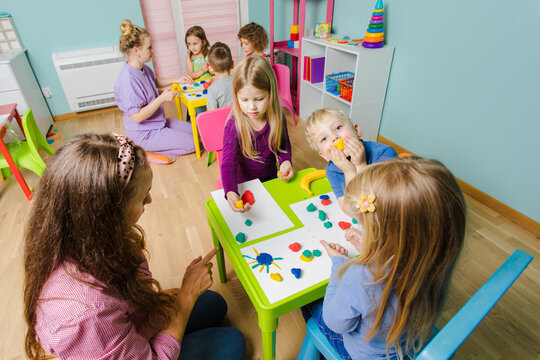
Promoting Diversity Through Art
When it comes to promoting diversity & inclusion through daycare art projects, integrating cultural understanding in daycare settings plays a vital role in fostering empathy and respect among children. This approach allows educators to cultivate appreciation for different cultures, helping children form positive self-identities and meaningful connections with their peers.
Cultural Understanding in Daycare
Cultural understanding in daycare centers, as highlighted by Playto, goes beyond mere exposure to diverse cultures. It involves providing children with opportunities to engage with and learn about various customs, traditions, and practices. By incorporating elements of different cultures into art projects, children can develop a deeper appreciation for the richness and diversity of the world around them.
Through multicultural art activities, children can explore different artistic styles, symbols, and narratives, gaining insights into the cultural significance behind each creation. This exposure helps in broadening their perspectives, promoting inclusivity, and nurturing a sense of curiosity and respect towards diverse traditions.
Fostering Empathy and Respect
Fostering empathy and respect through cultural diversity initiatives in daycare settings, as emphasized by Playto, is essential for preparing children to thrive in a globalized society. Art serves as a powerful medium for transcending barriers and promoting understanding among individuals from various backgrounds.
Through art projects that celebrate diversity, children not only express their creativity but also develop a sense of empathy, understanding, and unity. By exploring different cultures, perspectives, and abilities through art, young learners cultivate a mindset of acceptance and appreciation for the uniqueness that each individual brings to the table.
In conclusion, promoting diversity through art in daycare environments is not just about creating beautiful masterpieces. It's about instilling values of empathy, respect, and inclusivity in children from a young age. By embracing cultural diversity through art, educators can set the stage for a generation of individuals who value and celebrate differences, ultimately contributing to a more harmonious and accepting society.
Incorporating Diversity in Curriculum
In the realm of daycare education, the integration of diverse cultures and languages plays a pivotal role in shaping young minds towards a more inclusive future. By understanding the importance of cultural diversity and language integration within the curriculum, daycare centers in New York can foster an environment that promotes diversity and inclusion through art projects.
Language and Culture Integration
Integrating languages and cultures into the daycare curriculum is a powerful tool for enhancing cultural diversity and facilitating language development among children. By exposing young learners to different languages, customs, and traditions, educators can instill an appreciation for diversity and promote cultural understanding.
Incorporating multilingual elements in daily activities not only enriches a child's linguistic capabilities but also cultivates a sense of respect and curiosity towards other cultures. Language and culture integration can serve as a bridge between various communities, fostering connections and nurturing a global mindset from an early age.
Benefits of Cultural Diversity
Embracing cultural diversity in daycare settings offers a myriad of benefits for children's social and emotional development. Exposure to diverse cultures enables young learners to develop empathy, respect, and a deeper understanding of the world around them. By celebrating cultural differences, children learn to appreciate the uniqueness of each individual, building a foundation for a harmonious and inclusive society.
Furthermore, cultural diversity in daycare environments plays a significant role in reducing prejudice and bias. By providing opportunities for children to explore various traditions and perspectives, educators can nurture open-mindedness and critical thinking skills. This, in turn, helps children challenge stereotypes, promote social justice, and contribute to the creation of a more equitable and inclusive community.
Incorporating language and cultural diversity into the daycare curriculum not only enriches the educational experience but also equips children with the essential values and skills needed to thrive in a diverse and interconnected world. Through intentional integration of diverse perspectives and languages, daycare centers can lay the foundation for a more inclusive society, where every child feels valued, respected, and empowered to embrace the beauty of diversity.
Art Projects for Diversity
Art plays a significant role in the realm of education, especially when it comes to promoting diversity and inclusion. In a daycare setting, art projects serve as a powerful tool for fostering acceptance and understanding among children, transcending cultural, linguistic, and physical boundaries.
Power of Art in Education
According to research by Big Hearts Little Hands, art in early childhood education provides a medium for children to express their feelings, thoughts, and experiences. It goes beyond creating beautiful masterpieces; it fosters communication and connections with peers. By engaging in art projects that celebrate diversity, children are encouraged to explore different cultures, perspectives, and abilities. Through this exploration, they cultivate empathy, understanding, and a sense of unity.
Art allows children to express themselves in ways that words sometimes cannot. It encourages creativity, critical thinking, and self-expression, all of which are essential skills for young minds to develop. By integrating diverse art materials, childcare providers and educators create an inclusive environment where children feel valued and represented. This inclusivity not only stimulates creativity but also nurtures a sense of belonging and acceptance within the daycare community.
Teaching Acceptance Through Art
Creating art that represents someone else's experiences or feelings has been shown to foster empathy and compassion among children [2]. Daycare providers play a critical role in promoting acceptance through art projects by introducing diverse art materials, facilitating collaborative projects, and encouraging discussions about themes that promote acceptance and diversity.
Through art activities that highlight different cultural traditions, languages, and customs, children learn to appreciate diversity and develop a broader perspective of the world around them. By encouraging children to engage with art that celebrates various backgrounds, daycare centres create an environment where differences are not only acknowledged but celebrated.
By providing children with opportunities to create art that reflects the rich tapestry of diversity in society, daycare settings become spaces where children learn to respect and value each other's differences. These art projects not only enhance creativity but also instill important values of empathy, inclusivity, and respect from a young age.
In conclusion, utilizing art projects to promote diversity in daycare settings is a powerful and impactful way to nurture acceptance and understanding among children and create a positive and inclusive environment for all.
Inclusive Art Activities
When it comes to fostering diversity and inclusion through art projects in daycare, creating activities that cater to the needs and abilities of all children is essential. Ensuring participation for all and encouraging collaboration through group projects are key aspects of promoting a welcoming and inclusive environment.
Ensuring Participation for All
In a daycare setting, it's crucial to provide art activities that allow every child to participate fully, regardless of their background or abilities. Flexibility is vital when designing art projects, especially to accommodate children with special needs or disabilities. By being open to modifications and adaptations, all children can experience the joy of creative expression [3].
When planning art activities, consider the diverse needs of the children in your care. Provide options for different skill levels, adapt materials to suit individual abilities, and offer support where necessary. By creating a nurturing and inclusive environment, you can ensure that every child feels valued and involved in the artistic process.
Group Projects for Collaboration
Group art projects can be a powerful tool for promoting diversity and inclusion in daycare settings. Collaborative activities encourage teamwork, communication, and social skills among children. By working together on art projects, children learn to respect different perspectives, share ideas, and appreciate the contributions of others [3].
To facilitate successful group projects, provide clear instructions, set goals for the activity, and assign roles to children based on their strengths and interests. Encourage communication and cooperation among participants, emphasizing the importance of listening to one another's ideas and working towards a common goal.
Through collaborative art projects, children not only develop their creativity and artistic skills but also learn valuable lessons in empathy, cooperation, and inclusivity. By promoting a culture of teamwork and mutual respect, daycare centres can create a supportive environment where diversity is celebrated and every child has the opportunity to shine.
Safety and Sustainability in Art
In the realm of daycare art projects, prioritizing safety measures is paramount to create a secure environment where children can freely unleash their creativity. By adhering to safety precautions and guidelines, daycare providers ensure that art activities are not only enjoyable but also safe for all participants.
Prioritizing Safety Measures
When engaging children in art projects, it's essential to create a safe space that minimizes potential risks. Simple steps such as using non-toxic art supplies, providing age-appropriate materials, and closely supervising children during activities can significantly reduce the likelihood of accidents. Educating both staff and children on the importance of safety protocols fosters a culture of awareness and responsibility within the daycare setting.
Additionally, maintaining a tidy and organized art area helps prevent tripping hazards and ensures that emergency exits are clear at all times. Regularly inspecting art supplies for any damage or expiration dates further enhances safety standards in the daycare environment.
Eco-Friendly Practices
Integrating eco-friendly practices into daycare art projects not only benefits the planet but also instills valuable lessons about sustainability in young minds. By using recycled materials, natural dyes, and biodegradable products, children learn the importance of resource conservation and environmental stewardship.
Encouraging children to engage in art projects that promote sustainability fosters a sense of responsibility towards the environment. Educators can incorporate discussions on recycling, reducing waste, and the significance of eco-conscious choices into art activities, enriching the learning experience and nurturing eco-friendly habits among children.
By prioritizing safety measures and embracing eco-friendly practices, daycare providers create a nurturing environment where children can explore their creativity while developing an understanding of the importance of safety and sustainability in art. Through mindful guidance and thoughtful practices, daycare art projects become not only avenues for artistic expression but also platforms for holistic development and meaningful learning experiences.
Inclusive Environment Creation
Creating an inclusive environment in daycare settings is essential for promoting diversity and fostering a sense of belonging among children and families. Recognizing holiday traditions and using inclusive language are key aspects of building a culturally diverse and respectful environment.
Recognizing Holiday Traditions
Incorporating celebrations of various holidays such as Diwali, St. Nicholas Day, Hanukkah, Las Posadas, Christmas, Kwanzaa, Bodhi Day, and Eid-ul-Fitr in daycare activities allows children to learn about different traditions and promotes cultural diversity. By recognizing and embracing a wide range of holiday traditions, daycare centers create an environment that celebrates diversity and understanding among children and families.
Comprehensive holiday policies in daycare centers play a crucial role in ensuring that all children feel included and respected, regardless of their cultural or religious background. These policies address concerns related to financial constraints and religious beliefs, promoting inclusivity and a sense of belonging for all children and families.
Using Inclusive Language
Language is a powerful tool in fostering inclusivity during holiday activities in daycare centers. Using neutral and inclusive language allows children to learn about different holiday traditions without promoting one over others. It creates an environment where all children feel valued and represented, fostering a sense of equality and respect among the diverse group of children in daycare settings.
Respecting and honoring the holiday traditions of all families is paramount in creating an inclusive environment in daycare settings. It is essential to ensure that no group's traditions are favored over others, acknowledging that all families have the right to their own traditions. By respecting family diversity and honoring various cultural celebrations, daycare centers can promote inclusivity and build a community that values and celebrates the unique backgrounds and traditions of every child and family [4].
By recognizing holiday traditions and using inclusive language, daycare centers can create environments that celebrate diversity, promote cultural understanding, and instill a sense of respect and acceptance among children of all backgrounds. These practices contribute to the development of inclusive spaces where every child feels valued, supported, and able to express their cultural identity freely in a nurturing and diverse daycare environment.
Anti-Bias Education Implementation
In the context of daycare and early childhood education, implementing anti-bias education plays a vital role in nurturing empathy and respect among children. It focuses on fostering an inclusive environment where each child is valued and appreciated for their unique characteristics. Let's explore how anti-bias education can be effectively integrated into daycare settings.
Nurturing Empathy and Respect
One of the core principles of anti-bias education is nurturing empathy and respect in children. By encouraging children to understand both the similarities and differences among individuals, anti-bias education promotes respectful and caring behavior towards others. This approach enables children to appreciate human diversity while reducing the likelihood of prejudice or biased attitudes.
Through age-appropriate activities and discussions, daycare providers can create a safe space where children feel comfortable exploring and celebrating diversity. By engaging with diverse perspectives and experiences, children learn to empathize with others and develop a deeper sense of respect for individual identities.
A Curriculum for Inclusivity
Integrating anti-bias education into the daycare curriculum entails designing a framework that promotes inclusivity and equity. Goal 3 of anti-bias education focuses on nurturing empathy, fairness, and critical thinking skills in children, fostering a sense of safety and ensuring equitable treatment for all.
By incorporating themes and activities that highlight concepts of self-discovery, family, and community, daycare educators can facilitate discussions around ability, culture, economic class, gender identity, and racialized identity. These discussions encourage children to explore and appreciate differences, leading to a more inclusive learning environment.
As children engage in activities that promote perspective-taking, positive interactions, and conflict resolution skills, they become better equipped to address biased behavior and stereotypes based on social identity. Anti-bias education empowers children to stand up against prejudice, advocate for inclusivity, and cultivate a community where everyone feels respected and valued.
By embracing anti-bias education principles and integrating them into the daycare curriculum, educators can create a nurturing environment that celebrates diversity, fosters empathy, and cultivates a culture of respect and understanding among children. Through thoughtful and intentional curriculum design, daycare settings can serve as inclusive spaces where every child feels seen, heard, and appreciated for who they are.
Diverse Teaching Staff
In a daycare setting, the presence of a diverse teaching staff plays a significant role in promoting diversity and inclusion among children. Let's explore the benefits of having a diverse staff and how it enhances communication channels within daycare facilities.
Benefits of Diverse Staff
Research indicates that children in daycare benefit both academically and emotionally when their teachers and staff mirror their diverse backgrounds. Having a diverse teaching staff enhances engagement, fosters a sense of belonging, and promotes better participation in learning activities among children. When children see themselves represented in their teachers, they are more likely to feel understood and valued, leading to improved academic performance and overall well-being.
Moreover, diversity among daycare staff allows for the exchange of a variety of perspectives, ideas, and experiences. This diversity enriches the learning environment and encourages children to embrace differences, fostering a culture of acceptance and mutual respect. By incorporating values of diversity, equity, and inclusion into the daycare staff composition, educators create a more inclusive and supportive atmosphere for all children.
Enhancing Communication Channels
Meaningful communication with families is essential in acknowledging their unique backgrounds and fostering strong partnerships that benefit children [6]. An inclusive teaching staff can effectively connect with families from diverse cultures and communities, creating a bridge between home and daycare. This open and respectful communication helps build trust and collaboration, enabling parents to actively participate in their child's learning journey and feel valued within the daycare community.
Furthermore, a diverse teaching staff brings a range of communication styles, languages, and cultural nuances to the table, enhancing the overall communication channels within the daycare environment. By embracing diversity in the staff team, daycare facilities can create an environment where different voices are heard, and perspectives are valued, leading to more effective and inclusive communication practices.
In conclusion, the presence of a diverse teaching staff in daycare settings not only benefits children academically and emotionally but also enriches the learning experience for all involved. By fostering diversity and inclusion among staff members, daycare facilities can create a nurturing and supportive environment that celebrates differences and promotes positive relationships within the community.
References
[1]: https://www.playto.com/blog/encouraging-cultural-diversity-in-daycare
[2]: https://bighearts-littlehands.com/embracing-diversity-art-in-early-childhood-education/
[3]: https://www.playto.com/blog/15-art-activities-for-daycare-children
[4]: https://www.playto.com/blog/daycare-policies-on-holiday-celebrations
[5]: https://www.naeyc.org/resources/pubs/yc/nov2019/understanding-anti-bias/
[6]: https://www.playto.com/blog/diversity-and-inclusion-in-daycare


.avif)


.jpg)


.avif)


