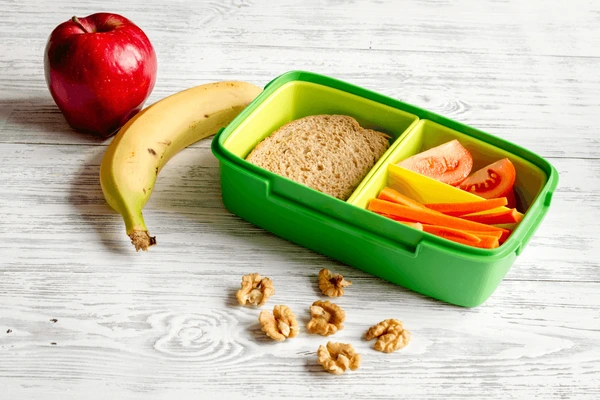
Portion Sizes for Different Age Groups
Providing portion sizes for daycare meals tailored to different age groups is essential in ensuring children receive the appropriate nutrition they need to thrive. Let's delve into the recommended portion sizes for children across various age brackets: ages 1-2, 3-5, 6-12, and 13-18.
Age 1-2: Meal Components and Servings
For children aged 1-2, it is crucial to offer suitable portion sizes to meet their developing nutritional requirements. According to the USDA Food and Nutrition Service, the recommended portion sizes for this age group include:
Component Serving Size
Here’s a breakdown of recommended serving sizes for toddlers:
- Liquid: 4 fluid ounces
- Meat/Meat Alternate: ½ ounce equivalent
- Fruit/Vegetable: ½ cup
- Grains: ½ cup
Ensuring that meals for children aged 1-2 incorporate these portion sizes helps establish healthy eating habits from a young age.
Age 3-5: Nutritional Requirements
For children aged 3-5, portion sizes continue to play a vital role in meeting their nutritional needs. Similar to the previous age group, the USDA Food and Nutrition Service recommends the following portion sizes:
Component Serving Size
- Liquid: 4 fluid ounces
- Meat/Meat Alternate: ½ ounce equivalent
- Fruit/Vegetable: ½ cup
- Grains: ½ cup
These portion sizes are designed to support the dietary requirements of children in the 3-5 age bracket, helping them maintain optimal health and growth.
Age 6-12: Recommended Portions
As children progress into the 6-12 age range, their nutritional needs evolve, necessitating adjustments in portion sizes. To cater to the requirements of children aged 6-12, the USDA Food and Nutrition Service recommends the following portion sizes:
Component Serving Size
- Liquid: 8 fluid ounces
- Meat/Meat Alternate: 1 ounce equivalent
- Fruit/Vegetable: ¾ cup
- Grains: ¾ cup
These adjusted portion sizes for children aged 6-12 take into account their increased energy needs and promote balanced nutrition in daycare meal plans.
Ages 13-18: Adjusted Portions
For older children and teenagers aged 13-18, portion sizes are further modified to align with their growing bodies and higher energy requirements. Ensuring that meals for this age group are portioned appropriately is essential in supporting their overall health and well-being.
By adhering to the recommended portion sizes for different age groups, daycare providers in New York can play a pivotal role in promoting healthy eating habits and meeting the nutritional needs of children in their care. Engaging with parents, incorporating diverse food options, and maintaining compliance with dietary guidelines are crucial aspects of delivering nutritious daycare meals to support the growth and development of children.
Compliance with CACFP Guidelines
When it comes to maintaining compliance with the Child and Adult Care Food Program (CACFP) guidelines, daycare providers play a crucial role in ensuring that the meals provided meet the necessary standards. This section focuses on three key aspects that contribute to compliance: meeting dietary standards, service of meal components, and nutrient intake comparison.
Meeting Dietary Standards
The nutrition standards set by the CACFP are designed to align with the Dietary Guidelines for Americans and are based on science-backed recommendations from the National Academy of Medicine. These standards promote the inclusion of a wide variety of nutrient-rich foods such as vegetables, fruits, whole grains, lean meats or meat alternatives, and low-fat dairy, while limiting added sugars and saturated fats.
Daycare providers need to ensure that the meals and snacks they serve adhere to these guidelines to support the health and well-being of the children in their care. By offering balanced and nutritious meals, providers can help children establish healthy eating habits from a young age.
Service of Meal Components
Understanding portion sizes for different meal components is essential for daycare providers to comply with the CACFP meal pattern guidelines. Each age group has specific portion size requirements based on their nutritional needs and developmental stage [2]. For example, a reimbursable snack must include at least two of the five required components, ensuring that children receive a well-rounded and nourishing snack.
By carefully monitoring portion sizes and serving the appropriate meal components, daycare providers can create meals that not only meet the guidelines but also cater to the dietary needs of growing children.
Nutrient Intake Comparison
Recent studies have shown that children in CACFP centers tend to consume more milk than those in non-CACFP centers, leading to higher calcium intake. Additionally, children in CACFP centers consume less total fat, trans-fat, and saturated fat, indicating diets that support healthy growth. However, both CACFP and non-CACFP centers may exceed serving recommendations for sodium, which could increase the risk of heart disease if not addressed.
By comparing the nutrient intake of children in daycare settings, providers can identify areas of success and potential improvements in their meal offerings. Adjusting portion sizes and food choices to better align with dietary recommendations can help promote the overall health and well-being of the children under their care.
Menu Planning and Variety
When it comes to providing meals for children in daycare, menu planning plays a significant role in ensuring their nutritional needs are met. Creating balanced meals that incorporate a variety of food groups and cater to cultural diversity is essential for promoting healthy eating habits.
Creating Balanced Meals
According to Playto, meals and snacks served in daycare centers should be varied, nutritious, and appropriately timed to support the well-being of children. By planning well-balanced meals, daycare providers can ensure that children receive the necessary nutrients for their growth and development. Incorporating a mix of protein, carbohydrates, healthy fats, vitamins, and minerals is key to creating meals that are nutritionally adequate.
Incorporating Food Groups
Menu planning for daycare centers should focus on incorporating all the essential food groups to provide a well-rounded diet for children. By including fruits, vegetables, whole grains, lean protein sources, and dairy products in the menu, daycare providers can ensure that children receive a diverse range of nutrients. Offering a variety of foods from different food groups not only enhances the nutritional quality of meals but also exposes children to a wider range of flavors and textures.
Considering Cultural Diversity
Cultural diversity plays a crucial role in menu planning for daycare meals. Playto emphasizes the importance of considering cultural backgrounds when creating menus to accommodate the dietary preferences and restrictions of all children. By incorporating a mix of culturally diverse recipes and ingredients, daycare providers can introduce children to new culinary experiences while respecting their cultural heritage.
By focusing on creating balanced meals, incorporating a variety of food groups, and considering cultural diversity in menu planning, daycare centers can promote healthy eating habits and provide children with a positive dining experience. Encouraging children to explore different foods, flavors, and cuisines can help lay the foundation for a lifetime of healthy eating habits and adventurous palates.
Importance of Portion Control
Understanding the significance of portion control in daycare meals is crucial for supporting children's health and well-being. By implementing appropriate portion practices, daycare providers can help prevent overeating, promote healthy habits, and instill positive eating behaviours in children.
Preventing Overeating
One of the key aspects of portion control is preventing overeating, especially in young children. Portion sizes should be tailored to meet the nutritional needs of each age group while avoiding excessive caloric intake. By serving appropriate portion sizes, daycare providers can help children learn to listen to their hunger cues and develop a healthy relationship with food. Virtual Lab School highlights that a child's stomach size, approximately the size of their fist, can be a useful guide for determining suitable portion sizes at mealtimes.
Promoting Healthy Habits
Portion control plays a vital role in promoting healthy eating habits among children. It allows daycare providers to ensure that children receive the right balance of nutrients in their meals. For instance, preschool-age children need around 1,200 calories per day, while school-age children require approximately 1,200 to 1,600 calories per day, depending on their level of physical activity Virtual Lab School. By serving meals divided among the five food groups as recommended by MyPlate, daycare providers can help children develop a balanced approach to eating.
Implementing Portion Practices
Implementing effective portion practices in daycare settings involves careful planning and consideration of children's nutritional needs. It is essential to offer appropriately sized servings that align with the dietary guidelines for each age group. By involving children in family-style dining, where they can serve themselves based on their hunger cues, daycare providers can foster independence and responsibility in children. Moreover, ensuring that foods are served in appropriate textures and cut into small pieces can reduce the risk of choking incidents Virtual Lab School.
By emphasising the importance of portion control in daycare meals, daycare providers can create a supportive environment that encourages healthy eating habits and positive food behaviours in children. Through mindful portion practices, children can learn to listen to their bodies, enjoy a variety of nutritious foods, and cultivate a lifelong appreciation for wholesome eating.
Facilitating Hydration and Nutrition
Ensuring proper hydration and nutrition is essential in daycare settings to support the growth and development of children. Daycare providers play a crucial role in providing hydration support and encouraging healthy dietary choices. Focusing on water intake and enhancing dietary choices are key aspects of promoting overall wellness among children in daycare.
Providing Hydration Support
Daycare centres can encourage parents to provide children with refillable water bottles, promoting hydration throughout the day. Water should be the primary beverage offered to support children's hydration needs [5]. Ensuring children have easy access to water throughout the day helps maintain their hydration levels and supports overall health.
Focusing on Water Intake
Water intake is vital for children's well-being, aiding in digestion, circulation, and temperature regulation. By focusing on promoting water as the preferred beverage choice in daycare settings, caregivers can help children develop healthy hydration habits that can benefit them throughout their lives. Encouraging children to drink water regularly can prevent dehydration and promote optimal bodily functions.
Enhancing Dietary Choices
In addition to hydration, enhancing dietary choices in daycare meals is crucial for providing children with the necessary nutrients for growth and development. Offering healthy snacks like fruits, vegetables, and whole grains can contribute to a balanced diet and support children's overall well-being [5]. By incorporating a variety of nutritious foods into meals and snacks, daycare providers can help children meet their daily nutritional requirements.
By focusing on providing hydration support, promoting water intake, and enhancing dietary choices in daycare settings, caregivers can create a healthy and nourishing environment for children to thrive. Emphasizing the importance of hydration and nutrition not only supports children's physical health but also fosters positive eating habits that can last a lifetime.
Involving Parents in Nutrition
When it comes to ensuring children receive balanced and nutritious meals at daycare, the active involvement of parents plays a significant role. Effective communication and collaboration with parents in matters of nutrition can have a profound impact on children's dietary habits. Here, we explore how parents can contribute to promoting healthy eating practices within daycare settings through communication, menu planning involvement, and feedback mechanisms.
Communication and Collaboration
Engaging parents in open communication regarding nutrition guidelines and meal planning is essential for promoting a holistic approach to children's dietary needs in daycare centres. By sharing information about the meals served and discussing the importance of balanced nutrition, parents can gain insights into their child's dietary intake during daycare hours. This dialogue fosters a collaborative environment between daycare providers and parents, ensuring that the child's nutritional requirements are being met consistently.
To learn more about the role of daycare providers in healthy eating, visit our article on the role of daycare providers in healthy eating.
Menu Planning Involvement
Empowering parents to participate in menu planning for daycare meals allows them to provide valuable input and suggestions based on their child's preferences and dietary requirements. Parents can offer ideas for nutritious and appealing meal options, share concerns or special dietary considerations, and contribute to creating well-rounded menus that cater to children's needs.
Incorporating parents' input into menu planning not only ensures that meals are varied and balanced but also enhances children's overall dining experience. This collaborative effort between parents and daycare providers promotes a shared commitment to fostering healthy eating habits among children.
For fun and healthy lunchbox ideas for kids, check out our article on fun healthy lunchbox ideas for kids.
Incorporating Feedback
Encouraging parents to provide feedback on daycare meals and dining experiences enables daycare centres to continuously improve their nutrition offerings. By soliciting input on meal quality, portion sizes, food variety, and overall dining experience, daycare providers can make informed adjustments to menus and meal service practices.
Parental feedback serves as a valuable resource for enhancing the nutritional quality and appeal of daycare meals, ensuring that children receive meals that are not only nourishing but also enjoyable. By incorporating parental feedback into meal planning and service, daycare centres can create a supportive environment that prioritizes children's health and well-being.
To explore more tips on enhancing children's dietary intake, particularly with regard to adding veggies to daycare meals, visit our article on tips for adding veggies to daycare meals.
Family-Style Dining Benefits
Family-style dining in daycare settings offers numerous benefits for children, providing not only a dining experience but also valuable opportunities for learning and growth. Let’s explore the advantages in terms of learning responsibility, developing independence, and promoting healthy choices.
Learning Responsibility
Participating in family-style dining fosters a sense of responsibility in children, encouraging them to take an active role in mealtime routines. By involving children in setting the table, serving food, and cleaning up after meals, they learn essential life skills and develop a sense of ownership over their dining experience [6]. Providing child-size cleaning supplies allows children to assist with cleanup, teaching them the value of contributing to a shared activity and instilling a sense of responsibility from a young age.
Developing Independence
Family-style dining empowers children to make choices and decisions about their meals, fostering independence and self-reliance. Through serving themselves and selecting foods in age-appropriate portions, children learn to take control of their dining experience and develop a sense of autonomy [6]. Encouraging children to choose from the available dishes and portion sizes can help them build confidence in their decision-making abilities and enhance their sense of independence at mealtimes.
Promoting Healthy Choices
An essential aspect of family-style dining is its role in promoting healthy eating habits and choices among children. By offering a variety of nutritious foods in appropriate portion sizes, children have the chance to practice making balanced meal choices and learn about healthy eating. Children are more likely to try new foods and make healthier choices when they observe these behaviors modeled for them during mealtimes. By providing guidance on serving portions based on the size of their fist, caregivers can help children develop an understanding of appropriate portion sizes and support their health and well-being.
Family-style dining not only supports children in developing essential life skills and independence but also empowers them to make healthy choices and establish positive eating habits. Encouraging responsibility, independence, and healthy decision-making through shared meals creates a nurturing and educational dining environment that benefits children in their holistic development.
Ensuring Food Safety and Texture
Ensuring the safety and texture of food served in daycare settings is paramount to the well-being of children. Food service staff play a crucial role in maintaining high standards of food safety, simplifying food presentation, and avoiding choking hazards.
Aiding Food Service Staff
Food service staff in daycare centres are instrumental in upholding food safety standards and ensuring that meals are prepared and served in a hygienic manner. They should be well-trained in handling and storing food properly to prevent contamination and foodborne illnesses. By adhering to strict guidelines and protocols, food service staff can create a safe and healthy eating environment for children.
Simplifying Food Presentation
Simplifying the presentation of food is essential in daycare settings to make meals more appealing and accessible to young children. Food should be cut into small, manageable pieces to reduce the risk of choking and make it easier for children to eat independently. Colourful and visually appealing presentations can also encourage children to try different foods and enjoy their mealtime experience.
Avoiding Choking Hazards
Choking hazards are a significant concern when serving food to young children in daycare. It is crucial to avoid high-risk choking foods and ensure that the texture of foods is appropriate for the age group being served. Food should be prepared in a manner that minimises the risk of choking, such as cutting grapes and hot dogs into small pieces and avoiding hard or large chunks of food that may pose a hazard.
By implementing strict safety measures, simplifying food presentation, and being vigilant about potential choking hazards, daycare centres can create a safe and enjoyable dining experience for children. These practices not only promote food safety but also instil healthy eating habits and ensure the overall well-being of the children in their care.
References
[1]: https://www.fns.usda.gov/cacfp/nutrition-standards
[3]: https://www.fns.usda.gov/cacfp/nutrition-standards/snack-meal-pattern
[5]: https://www.playto.com/blog/nutrition-guidelines-for-daycare-centers
[6]: https://www.virtuallabschool.org/focused-topics/essentials-in-child-care-food-service/lesson-2


.avif)


.jpg)


.avif)


