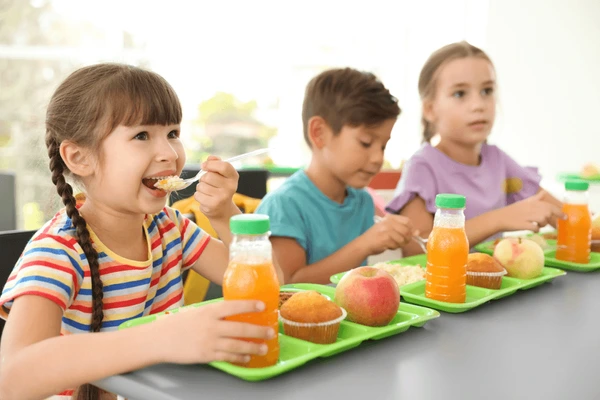
Nutritious Meal Planning
In the context of daycare settings, nutritious meal planning plays a vital role in ensuring the health and well-being of children. Understanding children's nutrient needs and recognizing the impact of nutrition on academic performance are key aspects of promoting healthy eating habits in daycare.
Understanding Children's Nutrient Needs
Children require different amounts of specific nutrients at various stages of their development. Factors such as age, activity level, and individual characteristics influence the ideal dietary patterns for optimal growth and well-being. To support children's growth and development, it is essential to provide nutrient-dense foods that supply essential nutrients while managing overall caloric intake.
Nutrient Importance for Children
- Protein: Essential for growth and muscle development.
- Calcium: Crucial for bone strength.
- Iron: Necessary for optimal cognitive function.
By incorporating a balanced mix of nutrients into daycare meal plans, caregivers can help ensure that children receive the necessary vitamins and minerals for their overall health and development.
Impact of Nutrition on Academic Performance
The link between nutrition and academic performance is well-established. The Dietary Guidelines for Americans emphasize the importance of limiting caloric intake from solid fats, sodium, and added sugars in children's diets to enhance their overall health and well-being. Health and nutrition experts stress the significance of instilling healthy eating habits early in a child's life, especially in daycare settings like those found at Bethesda.
Balanced meal planning in daycare centers is essential to provide a diverse range of foods from different food groups, ensuring children receive a wide array of nutrients crucial for their health. By adhering to these guidelines, daycare centers can contribute significantly to the overall health and well-being of the children under their care [2].
When meals are well-balanced and meet children's nutritional needs, it can positively impact their cognitive function, physical development, and overall academic performance. By focusing on nutritious meal planning and understanding the importance of optimal nutrition in daycare settings, caregivers can help children thrive and reach their full potential.
Dietary Guidelines and Recommendations
When it comes to nutritious meal planning for daycare, understanding and implementing dietary guidelines and recommendations is essential to promote the overall health and well-being of children. This section focuses on the USDA Dietary Guidelines, nutrient-dense foods for children, and the importance of meal guidelines in daycare settings.
USDA Dietary Guidelines
The U.S. Department of Agriculture (USDA) and U.S. Department of Health and Human Services (DHHS) have developed the Dietary Guidelines for Americans, 2020-2025, which provide recommendations for healthy eating patterns for children. These guidelines emphasize the importance of consuming a variety of nutrient-dense foods while limiting the intake of solid fats, sodium, and added sugars to promote optimal health and well-being [1].
By following the USDA Dietary Guidelines, daycare providers can ensure that children receive the necessary nutrients for growth and development while also establishing healthy eating habits that can last a lifetime. Incorporating a diverse range of fruits, vegetables, whole grains, lean proteins, and dairy products into meals and snacks can help meet the nutritional needs of children in daycare.
Nutrient-Dense Foods for Children
Nutrient-dense foods are highly recommended for children as they provide essential vitamins, minerals, and other nutrients without excessive calories. These foods help children meet their nutrient requirements while supporting healthy growth and development [3].
Incorporating nutrient-dense foods such as fruits, vegetables, whole grains, lean proteins, and low-fat dairy products into daycare meals and snacks can ensure that children receive the necessary nutrients for optimal health. By offering a variety of nutrient-dense options, daycare providers can promote healthy eating habits and support the overall well-being of the children in their care.
Importance of Meal Guidelines in Daycare
Daycare centers play a crucial role in providing healthy and nutritious meals to children. Establishing meal guidelines ensures that children receive balanced and nutritious meals that support their growth, development, and academic performance [1].
By following meal guidelines tailored to the specific nutritional needs of children, daycare providers can contribute to positive outcomes in areas such as physical development, cognitive function, and social interactions among children in their care [2]. Providing age-appropriate and well-balanced meals not only supports the immediate health of children but also helps establish healthy eating habits that can benefit them long-term.
Incorporating the USDA Dietary Guidelines, nutrient-dense foods, and meal guidelines in daycare settings is crucial for promoting the health and well-being of children. By offering nutritious meals that meet the dietary needs of children, daycare providers can positively impact their development and set the foundation for lifelong healthy eating habits.
Healthy Eating Habits for Children
Encouraging healthy eating habits in children, especially in daycare settings, plays a crucial role in shaping their relationship with food. By involving children in meal selection, providing positive reinforcement for healthy choices, and avoiding negative food associations, caregivers can promote a positive and balanced approach to nutrition.
Involving Children in Meal Selection
Parents, caregivers, and guardians are urged to involve young children in the meal selection and preparation process. This involvement not only imparts culinary skills but also emphasizes the significance of adopting a healthy diet from an early age. By including children in decisions about what to eat, they develop a sense of autonomy and are more likely to embrace a diverse and nutritious diet.
In daycare settings, caregivers can engage children by allowing them to choose from a selection of healthy meal options. This empowers children to make decisions about their food, fostering a positive relationship with nutrition and mealtime.
Positive Reinforcement for Healthy Choices
It is essential not to use food as a threat or punishment with children to prevent them from developing negative associations with healthy foods. Instead, occasional indulgences in less healthy foods can be used as positive reinforcement for consistently making healthy food choices. By offering praise and rewards for choosing nutritious options, children are more likely to associate healthy eating with positive experiences.
Caregivers in daycare settings can implement reward systems that celebrate healthy food choices. This can include verbal praise, stickers, or small tokens of encouragement to motivate children to make nutritious decisions at mealtime.
Avoiding Negative Food Associations
In daycare environments, it is important to create a positive and welcoming atmosphere around food. To avoid negative food associations, caregivers should refrain from using food as a punishment or making negative remarks about certain foods. Encouraging an environment where children feel safe to explore new foods without pressure or judgment can lead to more adventurous eating habits.
By fostering a positive and supportive mealtime environment, children are more likely to develop a healthy relationship with food and embrace a varied and nutritious diet. To further explore strategies for introducing new foods to toddlers, visit our article on how to introduce new foods to toddlers. Involving children in meal selection, offering positive reinforcement for healthy choices, and avoiding negative food associations are foundational principles in promoting healthy eating habits in children, both at home and in daycare settings.
Meal Requirements in Daycare Centers
Ensuring that daycare centres provide nutritious meal planning for daycare is essential to promote the well-being and healthy development of children. Meeting licensing regulations, adhering to nutritional requirements, and maintaining proper portion sizes and timing are key aspects of creating a positive dining experience for children.
Licensing Regulations for Meals
According to the Ohio Department of Job and Family Services (source), licensed child care centres are mandated to serve varied, nutritious, and appropriately timed meals and snacks. These regulations ensure that children receive the necessary nutrients for their growth and development. Compliance with licensing regulations not only promotes children's health but also establishes a safe and regulated environment within daycare centres.
Nutritional Requirements for Meals and Snacks
Child care centres are required to follow specific nutritional guidelines for meals and snacks, as outlined in the regulations. Serving nutrient-dense foods and beverages is essential to meet the dietary needs of growing children. For instance, centers must provide 100% undiluted fruit or vegetable juice to fulfill the fruit or vegetable requirement for meals and snacks. Offering other fruit or vegetable juices as beverage alternatives is also permissible to encourage variety in children's diets.
Ensuring Proper Portion Sizes and Timing
In addition to serving nutritious foods, daycare centres must ensure that meals and snacks are appropriately portioned and spaced throughout the day. Menus should be planned based on the current weekly menu, with meals and snacks spaced no more than four hours apart. This practice helps maintain sustained energy levels in children and prevents them from going hungry for extended periods. Provision for safe storage of parent-provided food is also crucial to accommodate individual dietary preferences or restrictions.
Furthermore, daycare centres are responsible for monitoring food consumption and ensuring that uneaten servings are appropriately handled or disposed of. This helps maintain food safety standards and prevents the consumption of spoiled or contaminated food. Parents should have access to menus and be informed of any substitutions made to the planned meals to support transparency and communication between the daycare centre and families.
By adhering to licensing regulations, meeting nutritional requirements, and maintaining proper portion sizes and timing, daycare centres can contribute to the overall health and well-being of children under their care. It is through these concerted efforts that daycare centres can create a nurturing and supportive environment that fosters healthy eating habits and promotes the growth and development of young children.
Health Benefits of Proper Nutrition
Understanding the importance of nutritious meal planning for daycare, especially for children, goes beyond mere sustenance. It plays a pivotal role in promoting overall well-being, including physical development, cognitive function, and social interactions.
Physical Development
Proper nutrition within daycare settings has a profound impact on the physical development of children. Research studies highlighted by Playto reveal that providing age-appropriate nutrition is vital for meeting the dietary requirements of children. By offering balanced meal plans that include a variety of foods from different food groups, daycare centers can ensure that children receive the necessary nutrients for optimal growth and development.
Ensuring that children consume a diverse array of foods rich in essential vitamins, minerals, and macronutrients supports their physical health and fosters healthy habits early on. By encouraging the intake of nutrient-dense foods, daycare providers contribute to laying a foundation for lifelong wellness.
Cognitive Function
Nutritious meal planning in daycare settings not only fuels the body but also nourishes the mind. Studies have shown that a well-balanced diet can have a positive impact on cognitive function and academic performance among children. According to Playto, healthy eating habits established during early childhood can lead to improved cognitive outcomes and better overall health.
By incorporating nutrient-rich foods that support brain health, such as omega-3 fatty acids, antioxidants, and whole grains, daycare centers can enhance children's concentration, memory, and learning abilities. Including foods that are known to boost brain function, such as fruits, vegetables, fish, and whole grains, can empower children to reach their cognitive potential.
Social Impact of Healthy Eating Habits
In addition to physical and cognitive benefits, proper nutrition in daycare settings also influences children's social interactions. When children are well-nourished and energized, they are more likely to engage actively in social activities, communicate effectively, and develop positive relationships with peers.
By fostering healthy eating habits and encouraging children to sample a variety of nutritious foods, daycare providers create an environment that promotes social bonding over meals and snacks. Sharing meals together not only strengthens social connections but also instils valuable lessons about the importance of communal dining and healthy food choices.
By recognising the multifaceted benefits of proper nutrition in daycare, from physical development to cognitive function and social interactions, caregivers can cultivate an environment that nurtures the overall well-being of children. Through thoughtful meal planning, incorporating nutrient-dense foods, and emphasising the social aspect of dining, daycare centres play a critical role in shaping healthy habits that can last a lifetime.
Practical Strategies for Daycare Nutrition
When it comes to ensuring the nutritious meal planning for daycare, there are key practical strategies that daycare providers in New York should consider to promote healthy eating habits among children. These strategies encompass providing age-appropriate nutrition, balanced meal planning, and emphasizing the importance of healthy snacks.
Age-Appropriate Nutrition
Providing age-appropriate nutrition is crucial for meeting the dietary requirements of children in daycare centers. Children have different nutritional needs at various stages of development, and it's essential to consider these recommendations to support optimal growth and development. By tailoring meals to the age group being served, daycare providers can ensure that children receive the necessary nutrients for their specific developmental stages.
It's imperative to offer a variety of foods that cater to the diverse needs of children in different age groups. This includes incorporating foods rich in essential nutrients like vitamins, minerals, proteins, and carbohydrates to support overall health and well-being. By following age-appropriate nutrition guidelines, daycare centres can create a positive environment that nurtures healthy eating habits from a young age.
Balanced Meal Planning
Balanced meal planning in daycare centres involves offering a variety of foods from different food groups to ensure that children receive a wide range of nutrients. Following these guidelines not only helps meet the nutritional needs of the children but also contributes to their overall health and well-being. Daycare providers should aim to create well-rounded meals that include fruits, vegetables, whole grains, lean proteins, and dairy products.
By incorporating a diverse selection of foods, daycare centres can introduce children to new tastes and textures, promoting a varied and nutritious diet. It's important to pay attention to portion sizes and ensure that meals are served in appropriate quantities to meet the energy needs of growing children. Additionally, offering meals that cater to children with dietary restrictions or preferences can create an inclusive dining experience for all.
Importance of Healthy Snacks
Healthy snack options play a significant role in supporting children's growth and development in daycare settings. Snacks such as fruits, vegetables, whole grains, and dairy products are essential for providing necessary nutrients and energy between meals. Limiting sugary snacks and incorporating nutrient-dense options can help children develop healthy eating habits and maintain sustained energy levels throughout the day.
Daycare providers should focus on offering a variety of healthy snack choices that are appealing to children while also being nutritious. Encouraging portion control and promoting water as the primary beverage choice can help instill good eating habits and hydration practices. By prioritizing healthy snacks, daycare centres can contribute to the overall well-being and development of the children under their care.
Hydration and Beverage Choices
Proper hydration is fundamental for children's overall health and well-being, especially in a daycare setting where children are active and engaged throughout the day. Encouraging hydration and offering healthy beverage alternatives are key aspects of promoting good nutrition and ensuring that children stay adequately hydrated.
Promoting Hydration
Ensuring that children in daycare stay well-hydrated is vital for their physical health and cognitive function. Water is the best choice for hydration, and children should be encouraged to drink water regularly throughout the day. Monitoring their hydration levels and providing easy access to water sources, such as water coolers or bottled water, can help promote hydration among children.
In addition to water, unsweetened fruit juices and herbal teas can also contribute to hydration. However, it's essential to limit the intake of sugary beverages, such as soda and fruit drinks, as they can add unnecessary sugar and calories to children's diets. Educating children about the benefits of staying hydrated and making water readily available can instill healthy hydration habits from a young age.
Offering Healthy Beverage Alternatives
When it comes to beverage choices for children in daycare, offering a variety of healthy options is crucial for supporting their overall health. Apart from water, milk is a valuable source of calcium and other essential nutrients for growing children. Opt for low-fat or skim milk to reduce saturated fat intake while providing the necessary nutrients.
Unsweetened almond milk and coconut milk are suitable alternatives for children with lactose intolerance or dairy allergies. These options offer a different taste profile and can be included in the daycare's beverage offerings. Be mindful of serving sizes to ensure that children receive the appropriate amount of nutrients without excessive calories or sugar intake.
Limiting the availability of sugary beverages and promoting healthier alternatives like naturally flavored water or diluted fruit juices can help children develop a taste for nutritious beverages. By creating a supportive environment that emphasizes the importance of healthy beverage choices, daycare providers can play a significant role in shaping children's long-term drinking habits and promoting overall wellness.
By prioritizing hydration and offering a variety of healthy beverage options, daycare centers can contribute to the overall health and well-being of the children in their care. Consistent encouragement of water intake and thoughtful selection of beverage choices can set a positive foundation for children's health and lifestyle habits.
Ensuring Food Safety in Daycare
When it comes to providing meals and snacks in daycare settings, ensuring food safety is paramount to safeguarding the health of children, especially those under five who are more susceptible to foodborne illnesses. By implementing safe food handling practices and taking proactive steps to prevent foodborne illnesses, childcare providers can create a secure environment for the children under their care.
Safe Food Handling Practices
Childcare providers must adhere to stringent food safety measures to maintain a hygienic and safe food preparation environment. These practices include:
- Regular handwashing for staff members involved in food preparation and serving.
- Thorough cleaning and sanitization of kitchen surfaces, utensils, and equipment.
- Proper storage of perishable items to prevent contamination.
- Monitoring and maintaining appropriate temperatures for food storage and serving.
Preventing Foodborne Illnesses
Preventive measures play a crucial role in safeguarding children from potential foodborne illnesses that can arise from consuming contaminated food. Childcare providers should take the following steps to prevent foodborne illnesses:
- Regularly inspecting food items for signs of spoilage or contamination before preparation.
- Ensuring that all food products are within their expiration dates and have been stored properly.
- Following recommended cooking temperatures and guidelines to eliminate harmful bacteria.
- Educating staff members on the importance of food safety and providing ongoing training on safe food handling practices [4].
By prioritizing safe food handling practices and implementing preventive measures, childcare providers can create a secure environment where children can enjoy nutritious meals and snacks without the risk of foodborne illnesses. These efforts not only promote the well-being of the children in daycare but also instil confidence in parents regarding the safety and quality of the food provided in childcare settings.
Professional Development for Childcare Staff
When it comes to nurturing children's healthy eating habits in daycare, the knowledge and skills of childcare staff play a vital role. Educated staff that understand how to select and prepare healthy meals, read nutrition labels, and stay updated on the latest nutrition science are essential for providing top-notch nutrition to children in daycare. Ongoing professional development helps staff offer high-quality nutrition to kids.
Education on Nutrition
Education on nutrition is a fundamental aspect of professional development for childcare staff. Understanding the basics of nutritional requirements for different age groups, the importance of balanced meals, and the benefits of healthy eating habits for children is crucial. Through continuous learning and training, childcare staff can enhance their knowledge of nutrition and apply this knowledge effectively when planning meals for daycare children.
It is important for staff to be aware of the benefits of healthy eating for daycare kids and the easy ways to encourage healthy eating in toddlers to create a positive and supportive environment for developing healthy habits.
Reading Nutrition Labels
Another key skill that childcare staff should possess is the ability to read and interpret nutrition labels. Understanding the information provided on food packaging helps staff make informed choices when selecting food items for meals and snacks in daycare. By familiarizing themselves with serving sizes, ingredients, and nutritional content, staff can ensure that children receive well-balanced and nutritious meals.
For more guidance on this subject, staff can refer to how to introduce new foods to toddlers and explore innovative ways to introduce variety and nutrition into children's diets.
Implementing Best Practices
Implementing best practices in nutrition ensures that childcare staff follow industry standards and guidelines for providing healthy meals to children. By adhering to recommendations from reputable sources like the USDA, staff can align their meal planning with USDA dietary guidelines and promote nutrient-dense foods that support children's growth and development.
Continuous professional development not only equips childcare staff with the knowledge and skills necessary for implementing best practices but also fosters a culture of excellence in daycare nutrition. By staying informed, engaged, and committed to promoting healthy eating habits, childcare staff contribute significantly to the overall well-being of the children under their care.
References
[2]: https://www.playto.com/blog/nutrition-guidelines-for-daycare-centers
[3]: https://www.mayoclinic.org/healthy-lifestyle/childrens-health/in-depth/nutrition-for-kids/art
[4]: https://www.procaresoftware.com/blog/child-care-nutrition-standards-what-you-need-to-know/


.avif)


.jpg)


.avif)


