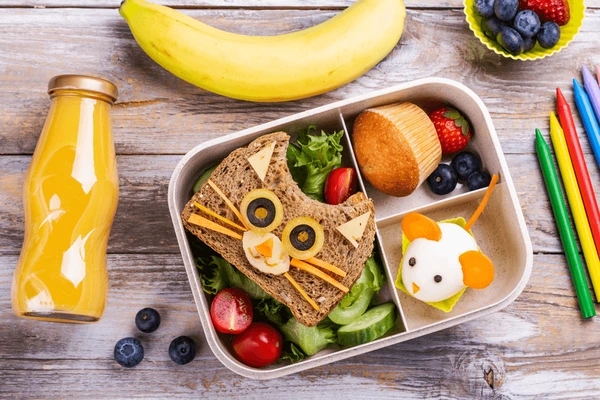
Lunchbox Categories
When it comes to preparing fun healthy lunchbox ideas for kids, it's essential to cover a variety of categories to ensure a well-rounded and nutritious meal. These lunchbox categories typically include main dish ideas, fruit and veggie options, dairy and plant-based items, as well as treats and snack suggestions.
Main Dish Ideas
For the main dish component of the lunchbox, protein should take the spotlight. Some popular main dish ideas include hard-boiled eggs, turkey sandwiches, chicken nuggets, and more. The emphasis is on incorporating sources of protein, fruit, fiber, and healthy fats to provide kids with the energy they need throughout the day [1].
Fruit and Veggie Options
Incorporating fruits and vegetables into the lunchbox is crucial for providing essential vitamins and minerals. One convenient way to add more vegetables is by including canned fruits, vegetables, and beans. Studies have shown that children are more likely to consume their veggies when paired with a dip. Consider including dippable vegetables like carrot sticks, celery sticks, grape tomatoes, broccoli florets, or cucumber rounds with a tasty dip to encourage veggie consumption [2].
Dairy and Plant-Based Items
Including dairy or plant-based alternatives in kids' lunches ensures they receive the necessary calcium and nutrients. Dairy-free options can also be swapped in to cater to dietary preferences. Items like yogurt can serve as a substantial dairy or protein substitute to diversify the lunchbox offerings [3].
Treats and Snack Suggestions
Incorporating fun and nutritious treats and snacks into the lunchbox can make mealtime enjoyable for kids. Cheese, such as string cheese, is a tasty snack option that provides essential vitamins and minerals. Additionally, granola bars are a classic snack choice that can keep kids energized and satisfied throughout the day [4].
By incorporating a variety of options from these lunchbox categories, parents can ensure that their children receive a balanced and wholesome meal that meets their nutritional needs and keeps them engaged during lunchtime.
Engaging Your Child
Encouraging children to actively participate in the lunch planning process can make mealtimes more enjoyable and empower them to make healthier choices.
Involving Children in Lunch Planning
By involving children in the planning of their lunches, you can foster a sense of independence and responsibility towards their meals. Allowing them to choose from a selection of fun healthy lunchbox ideas can spark their interest and make them more eager to enjoy their meals. Children can be encouraged to pick from options such as homemade uncrustables, deli meat and cheese sandwiches, hummus and crackers, mini bagels, yogurt with granola and berries, and more.
Giving children the freedom to select items for their lunch boxes not only empowers them but also increases the likelihood that they will consume the food provided. When children feel involved in the decision-making process, they are more likely to take ownership of their meals and develop positive eating habits.
Making Meal Choices Exciting
One way to make meal choices exciting for children is to offer a variety of options that cater to their preferences while still focusing on healthy lunchbox ideas. It is recommended to include a protein source as the base of the meal and build around that, incorporating fruits and a couple of safe foods that children enjoy.
For picky eaters or those who are not fond of traditional sandwiches, alternative options like toast with toppings or open-faced sandwiches can be a great way to introduce variety and cater to different tastes. Mini sandwiches on crackers or using thinner bread alternatives like sandwich thins or tortillas can also be appealing choices.
When creating lunch options, it's essential to consider any allergy restrictions for school lunches and invest in leak-proof lunch boxes, ice packs, and insulated lunch bags to maintain food safety and freshness. By providing an assortment of tasty and nutritious choices and involving children in the selection process, you can make mealtimes exciting and encourage healthy eating habits among children.
Best Lunch Box Picks
When it comes to selecting the ideal lunch box for your child's daycare meals, there are various options available that cater to different needs. Understanding the recommended lunch box types, along with their features and benefits, can help you make an informed choice to ensure your child enjoys their meals while at daycare.
Recommended Lunch Box Types
- Classic Lunch Box: A traditional lunch box with a single compartment for storing a variety of foods. Ideal for parents who prefer a simple and compact option.
- Bento Box: Known for its segmented design, a bento box allows you to divide the lunch into bite-sized portions, making the meal more interactive and engaging for kids. This type of lunch box is particularly popular for its ability to accommodate different food groups and creative lunch ideas.
- Thermal Lunch Bag: Perfect for keeping foods warm or cold, a thermal lunch bag is ideal for packing meals that require specific temperature maintenance, such as soups, salads, or yogurt.
- Insulated Lunch Box: Designed to keep food at a consistent temperature, an insulated lunch box is a great option for daycare meals that need to stay fresh throughout the day.
Features and Benefits
Lunch Box TypeFeaturesBenefitsClassic Lunch BoxSimple design, easy to clean, compact sizeSuitable for parents looking for a no-frills option, easy to pack and carryBento BoxSegmented compartments, customizable layoutEncourages creativity in meal preparation, offers variety and portion controlThermal Lunch BagInsulated interior, zipper closureKeeps hot foods warm and cold foods chilled, ideal for diverse meal optionsInsulated Lunch BoxDouble-wall insulation, leak-proof compartmentsMaintains food freshness, prevents spills and leaks, suitable for a range of food items
When choosing a lunch box for daycare, consider your child's preferences, dietary needs, and the types of foods you plan to pack. By selecting a lunch box that aligns with your child's requirements and lifestyle, you can ensure that they enjoy their meals and stay nourished throughout the day. For additional tips on enhancing your child's daycare meals, check out our article on portion sizes for daycare meals and tips for adding veggies to daycare meals.
Lunchtime Pairings
When preparing fun healthy lunchbox ideas for kids, it's essential to focus not only on the individual components of the meal but also on the combinations that provide a well-rounded and delicious eating experience. Here, we explore food group combinations and offer healthy snack alternatives to keep your child satisfied and nourished throughout the day.
Food Group Combinations
Incorporating a variety of food groups into your child's lunchbox ensures they receive a balanced and nutritious meal. Opting for food pairings that include proteins, carbohydrates, fruits, vegetables, and dairy or plant-based items is key to promoting overall health and sustained energy levels. Some recommended food group combinations include:
Food Group Combination Examples
- Protein + Whole Grains: Grilled chicken wrap with whole wheat tortilla
- Fruits + Dairy: Apple slices with a side of yogurt
- Vegetables + Protein: Carrot sticks paired with hummus
- Dairy + Whole Grains: Cheese cubes with whole grain crackers
- Protein + Vegetables: Turkey roll-ups with sliced bell peppers
Enhancing your child's lunchbox with these diverse food group combinations not only adds variety to their meals but also ensures they receive essential nutrients for growth and development.
Healthy Snack Alternatives
When it comes to snacks, opting for healthier alternatives can help support your child's overall well-being and provide sustained energy levels throughout the day. Instead of sugary or processed snacks, consider including nutrient-dense options that are both satisfying and delicious. Some healthy snack alternatives to consider include:
- Homemade Trail Mix: Create a mix of nuts, seeds, and dried fruits for a satisfying snack.
- Fresh Fruit: Pack sliced apples, berries, or grapes for a sweet and refreshing snack.
- Greek Yogurt: Offer plain Greek yogurt topped with honey or granola for a protein-packed treat.
- Vegetable Sticks with Dip: Pair crunchy vegetables like cucumbers, bell peppers, or cherry tomatoes with a tasty dip such as hummus or guacamole.
- Whole Grain Crackers with Cheese: Provide whole grain crackers with slices of cheese for a balanced snack option.
By incorporating these healthy snack alternatives into your child's lunchbox, you can promote good eating habits and ensure they have the energy they need to stay focused and active throughout the day. For more tips on promoting healthy eating habits, read our article on the role of daycare providers in healthy eating.
Organizing Lunches Ahead
Planning and preparation are key when it comes to ensuring that children have nutritious and enjoyable meals at daycare. By organizing lunches ahead of time, parents can streamline the morning rush and make sure their kids have a well-balanced meal to fuel them throughout the day. In this section, we will explore some essential weekend preparation tips and highlight the importance of using bento boxes for packing lunches.
Weekend Preparation Tips
Making lunches ahead of time can save significant time during busy weekdays. Spending just an hour on a Sunday to pack lunches for Monday, Tuesday, and Wednesday can create free time during the week. Here are some tips for efficient weekend preparation:
- Plan the menu for the week and create a shopping list to ensure you have all the necessary ingredients.
- Prepare and portion out fruits, vegetables, and snacks in advance.
- Cook larger batches of meals that can be easily packed into lunch boxes, such as pasta salads, wraps, or mini sandwiches.
- Invest in reusable containers and dividers to keep foods separated and fresh.
- Label lunch items with the date to ensure food safety and freshness.
Importance of Bento Boxes
Utilizing bento-style lunch boxes with separate compartments or silicone muffin cups can be a game-changer when it comes to packing lunches for daycare [6]. These lunch boxes help keep foods from touching each other, which not only prevents sogginess but also maintains the visual appeal of the meal. Here are some benefits of using bento boxes:
- Food Separation: Bento boxes allow you to pack a variety of foods without them getting mixed together, making it easier to include different food groups in one meal.
- Freshness Preservation: The separate compartments help to maintain the freshness of each food item, preventing flavors from mingling.
- Portion Control: Bento boxes provide built-in portion control, making it easier to pack balanced and appropriately sized meals for your child.
- Visual Appeal: The vibrant colors and organized layout of bento box meals can make lunchtime more appealing and fun for kids.
When using bento boxes, remember to avoid packing wet foods to prevent sogginess in lunches. Stick to drier foods and use common sense when choosing items for longer storage. By adopting these weekend preparation tips and incorporating bento boxes into your lunch packing routine, you can ensure that your child enjoys a nutritious and satisfying meal at daycare every day.
Special Lunch Ideas
Providing children with fun healthy lunchbox ideas is essential for their growth and development. Tailoring lunch options to suit the varying preferences and needs of toddlers, little kids, and high schoolers can make a significant difference in their overall enjoyment of meals.
Toddler Lunchbox Suggestions
Toddlers require meals that are not only nutritious but also engaging and easy to eat. Some toddler-friendly lunchbox suggestions include:
- Bagel & cream cheese
- Cheese quesadilla
- Scrambled eggs with toast
- Uncrustables
- Nut butter and jam sandwich
These options offer a variety of easy-to-eat foods with complementary sides and snacks, ensuring that toddlers receive a balanced and enjoyable meal. It's important to consider portion sizes and food textures when preparing meals for toddlers. For guidance on appropriate portion sizes for daycare meals, consult with a nutritionist or healthcare provider.
Creative Options for Little Kids
For children aged 5-12, creative and flavorful lunchbox options can keep mealtime interesting and nutritious. Consider packing lunches with items such as:
- Pizza bites
- Pesto turkey pinwheels
- Chicken salad pinwheels
- Cream cheese pinwheels
- Hummus and veggie pinwheels
These imaginative choices provide a mix of flavors and textures that are appealing to little kids, encouraging them to explore new foods and expand their culinary preferences. Incorporating a variety of fruits and vegetables into their meals can also help promote healthy eating habits.
High School Lunch Recommendations
High schoolers, with their growing appetites and busy schedules, benefit from packed lunches that are not only satisfying but also nutritious. Some high school lunch recommendations include:
- Waffle breakfast
- Pizzadilla
- Tuna salad sandwich
- Tuna pasta salad
- Macaroni salad
These well-balanced options provide the necessary energy and nutrients to fuel high school students throughout their day. To ensure that the lunches are appealing and enjoyable, it's essential to consider the preferences and dietary needs of each student. Encouraging high schoolers to participate in meal planning and preparation can also foster a positive relationship with food and promote healthy eating practices.
By offering a variety of lunchbox options tailored to different age groups, parents and caregivers can ensure that children receive the nutrients they need while enjoying delicious and exciting meals. Experimenting with new recipes and incorporating fresh ingredients can help make mealtimes more engaging and enjoyable for kids of all ages.
Nutrition Focus
When it comes to crafting fun healthy lunchbox ideas for kids, focusing on the nutritional aspects is key to providing balanced and nourishing meals. Two essential aspects to consider are a protein-centered approach and the importance of balancing fruits and veggies.
Protein-Centered Approach
Ensuring that your child's lunchbox includes a sufficient amount of protein is crucial for their growth and development. Protein plays a vital role in building and repairing tissues, supporting immune function, and providing energy. Including a variety of protein sources can help meet your child's nutritional needs.
Protein Source Recommended Daily Amount for Kids (g)
- Chicken or Turkey: 20-30g per serving
- Fish: 15-20g per serving
- Eggs: 6-8g per egg
- Legumes (Beans, Lentils): 10-15g per cup (cooked)
- Nut Butter (Peanut, Almond): 2-4g per tablespoon
To ensure a protein-rich lunch, consider incorporating items like lean meats, eggs, legumes, and nut butter into your child's meals. These options not only provide essential protein but also offer a variety of nutrients that are beneficial for their overall health and well-being.
Balancing Fruits and Veggies
Incorporating a variety of fruits and vegetables into your child's lunchbox is essential for providing essential vitamins, minerals, and fiber crucial for their immune system and overall health. It is recommended to eat at least 5 portions of fruits and vegetables a day, with at least half of these (2-3 types) being vegetables every day [7].
Fruit/Vegetable Benefits
- Berries: Rich in antioxidants and vitamin C
- Carrots: Excellent source of vitamin A
- Apples: High in fiber and vitamin C
- Spinach: Packed with iron and vitamin K
- Broccoli: Rich in vitamin C, fiber, and antioxidants
To increase the vegetable intake in your child's lunchbox, consider adding canned fruits, vegetables, and beans as a quick and convenient way to boost their nutritional value [2]. Options like corn and black bean salsa or canned green beans can be tasty additions that enhance the variety and nutrient content of the lunch.
By adopting a protein-centered approach and balancing fruits and veggies in your child's lunchbox, you can promote their overall health and well-being while making mealtime enjoyable and nutritious. Experiment with different combinations and recipes to create lunches that are both delicious and packed with essential nutrients to fuel your child's day.
Ensuring Lunch Enjoyment
When it comes to ensuring that children enjoy their lunchtime meals, employing effective mealtime strategies and paying attention to the design of their lunch boxes can make a significant difference. By incorporating these elements, parents and caregivers can promote healthy eating habits and create a positive lunch experience for children.
Mealtime Strategies
Implementing mealtime strategies that focus on encouraging children's independence and maintaining consistency in meal expectations can contribute to a more enjoyable lunch experience. Developing rules around mealtime behaviour and providing a structured eating environment can help children understand the importance of completing their lunches. By involving children in the lunch planning process and allowing them to make meal choices, they can feel empowered and more inclined to finish their meals.
One way to ensure children's enjoyment of their lunches is by avoiding any form of trickery and instead, offering a variety of their favorite snacks, fruits, and sandwich fillings. By empowering children to make their food choices, they are more likely to embrace the meal and finish it completely [8]. Understanding each child's mealtime behaviour and preferences is key to providing them with a satisfying and enjoyable lunch experience.
The Role of Lunch Box Design
The design of the lunch box plays a crucial role in enhancing the eating experience for children. A well-designed lunch box not only keeps food fresh and secure but also adds an element of fun and individuality to meal times. Bento-style lunch boxes, known for their compartmentalized structure, are particularly popular for their ability to separate different food items and encourage balanced nutrition.
By selecting a lunch box that appeals to children's tastes and preferences, parents can make mealtime more exciting and engaging. Personalizing the lunch box with vibrant colors, patterns, and designs can further encourage children to look forward to their midday meal. Additionally, incorporating compartments for various food groups can help parents ensure that their children receive a balanced and nutritious lunch.
Incorporating these strategies and focusing on the design of the lunch box can go a long way in ensuring that children enjoy their lunchtime meals. By creating a positive and interactive eating environment, parents and caregivers can instill healthy eating habits and make lunchtime a fun and fulfilling experience for children.
References
[1]: https://www.theleangreenbean.com/easy-lunch-box-ideas-for-kids/
[2]: https://holleygrainger.com/how-to-add-more-vegetables-to-your-childs-lunchbox/
[3]: https://www.mother.ly/health-wellness/childrens-health/kids-school-lunch-ideas/
[4]: https://peopleschoicebeefjerky.com/blogs/news/
[5]: https://www.parents.com/lunch-ideas-for-kids
[6]: https://www.whatlisacooks.com/school-lunch/make-ahead-school-lunches
[7]: https://www.linkedin.com/pulse/27-easy-ways-include-veggies-your-kids-lunch-penelope
[8]: https://www.quora.com/W


.avif)


.jpg)


.avif)


