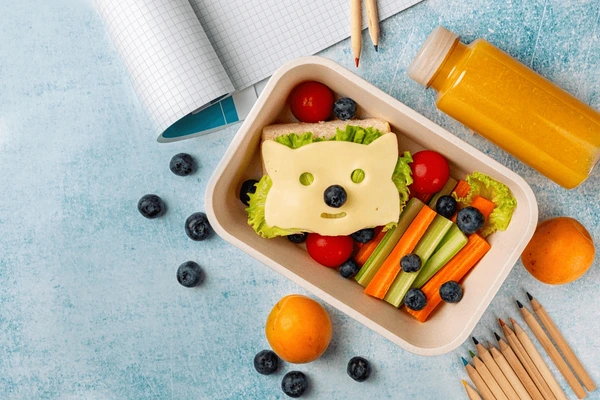
Incorporating Vegetables into Daycare Meals
When it comes to enhancing the nutritional quality of daycare meals, incorporating a variety of vegetables is essential to promote balanced and healthy eating habits among children. In this section, we will explore the importance of exposing children to vegetables and creative ways to include veggies in daycare meals.
Importance of Exposing Children to Vegetables
Exposing children to whole form vegetables is crucial in helping them understand the true flavor, texture, and appearance of vegetables. Research shows that after being exposed to a new vegetable 30 or more times, children may become more receptive to trying and enjoying it, even after initial reluctance [1].
By consistently including vegetables in daycare meals, children have the opportunity to explore and develop a taste for different types of produce. This early exposure plays a significant role in shaping their preferences and willingness to incorporate vegetables into their diets as they grow.
Creative Ways to Include Veggies in Meals
Parents and daycare providers have found innovative ways to incorporate more vegetables into children's diets, making mealtimes both nutritious and enjoyable. Platforms like Instagram provide a space for sharing creative tips and tricks for adding veggies to meals in fun and appealing ways for toddlers [1].
Properly Preparing Raw Veggies
For toddlers, raw vegetables can be a nutritious and crunchy addition to meals if prepared appropriately. Start by offering shredded pieces, thin sticks, or diced pieces of veggies that are easy for little ones to chew. As children become more proficient in their chewing abilities, gradually introduce thicker pieces to expand their vegetable repertoire.
Making Veggies More Appealing with Dips
One effective way to make raw vegetables more appealing to children is by pairing them with flavorful dips. Offer options like ranch dressing, salsa, guacamole, hummus, or any other dip that kids enjoy. The combination of crunchy veggies and tasty dips can entice children to explore a variety of vegetables while enjoying different flavors and textures [2].
Easy Vegetable Recipes for Daycare
Incorporating vegetables into daycare meals can be made simpler with easy vegetable recipes. Consider steaming and serving microwavable frozen veggies as a convenient option for both parents and daycare providers. With a range of fun and colorful veggies available, this approach allows for quick and nutritious meal preparation without compromising on variety.
By adopting these strategies and encouraging a positive attitude towards vegetables from a young age, daycare providers can play a significant role in promoting healthy eating habits and ensuring that children receive the essential nutrients they need for optimal growth and development.
Nutritional Impact of Daycare Meal Choices
In the realm of daycare meal choices, the impact of nutrition on child development cannot be overstated. Providing nutritious meals and snacks in daycare centers can significantly influence physical, cognitive, and social development in children. Establishing healthy eating habits during early childhood lays the foundation for future health and well-being, helping to prevent nutritional deficiencies and chronic diseases later in life.
Promoting Child Development through Nutrition
Studies have shown that nutrition guidelines in daycare centers play a vital role in promoting child development. According to research published in Health Education Research, adhering to these guidelines can lead to improved cognitive outcomes and better overall health among children [3]. By offering balanced and nutritious meals, daycare providers can support children's growth and development, fostering a healthy lifestyle from a young age.
Benefits of Fruits and Vegetables in Daycare
One of the key components of a well-rounded daycare menu is the inclusion of fruits and vegetables. Facilities participating in the Child and Adult Care Food Program (CACFP) are required to serve nutrient-dense foods, including a variety of fruits and vegetables. These foods provide essential vitamins, minerals, and antioxidants that are crucial for children's growth and development.
The updated CACFP guidelines emphasize the importance of incorporating fruits and vegetables into meals and snacks. Meals are structured to include up to five components, with fruits and vegetables being essential components in promoting a well-balanced diet. By following these guidelines, daycare centers can ensure that children receive the necessary nutrients for healthy growth and development.
In their role as early childhood providers, daycare staff play a crucial role in instilling good nutritional habits in children. By integrating a variety of fruits and vegetables into meals and snacks, daycare providers can encourage healthy eating habits and expose children to a diverse range of flavours and textures. This proactive approach helps children develop a positive relationship with fruits and vegetables, setting the stage for a lifetime of healthy eating habits.
Menu Planning for Daycare Centres
When considering creating a balanced menu for daycare centres, it is essential to provide meals that offer a variety of nutrients to support the growth and development of young children. Proper hydration guidelines for children are also crucial to maintain their well-being. Let's explore how these elements play a vital role in ensuring the nutritional needs of children are met in daycare settings.
Creating a Balanced Menu
Establishing a well-rounded menu for daycare centres involves offering a diverse selection of food groups, as recommended by Playto. This includes incorporating fruits, vegetables, whole grains, lean proteins, and dairy products into daily meals. By providing a balanced mix of these food groups, children can receive essential vitamins, minerals, and macronutrients necessary for their growth and development.
In addition to offering a variety of foods, it is important to consider portion sizes for daycare meals to ensure that children receive adequate nutrition without overeating. Careful planning of meal portions can help prevent waste and promote healthy eating habits among young children.
To support cognitive outcomes and overall health, adhering to nutrition guidelines in daycare centres is essential. A study published in Health Education Research, as cited by Playto, highlights the positive impact of nutrition guidelines on children's well-being. By following established nutritional guidelines, daycare providers can contribute to the long-term health and development of children under their care.
Hydration Guidelines for Children
Proper hydration is crucial for children in daycare settings to support their growth, development, and overall well-being, as emphasized by Playto. Water should be the primary beverage offered to children throughout the day to maintain optimal bodily functions and prevent dehydration.
Encouraging children to drink water regularly can help prevent negative health effects associated with dehydration, such as fatigue, decreased cognitive function, and irritability. By providing easy access to clean and safe drinking water, daycare centres can promote healthy hydration habits among children and support their overall health.
Ensuring that children have access to water during meal times and throughout the day is essential. By incorporating hydration guidelines into the daily routine of daycare centres, providers can help children stay hydrated, alert, and energized, enabling them to fully engage in learning and play activities.
By focusing on creating a balanced menu that incorporates a variety of food groups and implementing hydration guidelines for children, daycare centres can play a pivotal role in promoting the health and well-being of young children under their care. By following these guidelines, daycare providers can establish a foundation for healthy eating habits that can have a lasting impact on children's overall health and development.
Serving Vegetables to Toddlers
Ensuring toddlers receive their necessary nutrients is crucial for their growth and development. When it comes to serving vegetables to toddlers, proper preparation and presentation play a significant role in encouraging them to embrace these healthy foods.
Properly Preparing Raw Veggies
Raw veggies can be suitable for toddlers if cut appropriately. Start by offering shredded pieces, then progress to thin sticks, and as toddlers become more proficient in chewing, introduce diced pieces and thicker cuts. This gradual introduction helps toddlers adjust to different textures and sizes of vegetables while reducing the risk of choking [2].
Making Veggies More Appealing with Dips
To make raw vegetables more appealing to toddlers, consider serving them with dips such as ranch, salsa, guacamole, hummus, or any other dip that kids enjoy. Dips can add flavor and a fun element to the veggies, making them more enticing for toddlers to eat. The interactive nature of dips can also make mealtime more engaging for toddlers, encouraging them to try new vegetables [2].
In addition to dips, cooking vegetables in ways that enhance their flavor and texture can also make them more appealing to toddlers. For example, stir-frying vegetables the Chinese way can soften cruciferous vegetables like broccoli, cauliflower, and sprouts. Boil the vegetables first, then stir-fry them in a hot wok with peanut oil, soy sauce, oyster sauce, sugar, garlic, ginger, and red chilies for added flavor. This method can transform plain vegetables into a savory and enticing dish that toddlers may enjoy.
Remember that creating a positive mealtime experience is essential when serving vegetables to toddlers, especially picky eaters. Engage toddlers in the meal preparation process, involve them in choosing vegetables at the grocery store, and use creative presentation techniques to make veggies more visually appealing. Making mealtime fun and interactive can help toddlers develop a positive association with vegetables and foster healthy eating habits.
While there is no one-size-fits-all solution for dealing with picky eaters, offering a variety of healthy options at each meal and providing repeated exposure to different foods can help toddlers expand their palate over time. With patience, persistence, and a bit of creativity, serving vegetables to toddlers can be a rewarding experience that sets the foundation for a lifetime of healthy eating habits.
Easy Vegetable Recipes for Daycare
When it comes to preparing vegetable recipes for daycare, simplicity and nutrition are key factors to consider. Here are two straightforward methods to introduce delicious and nutritious veggies into daycare meals: using microwavable frozen veggies and reheating roasted vegetables.
Using Microwavable Frozen Veggies
Incorporating microwavable frozen vegetables into daycare meals can be a convenient way to ensure children receive their daily dose of essential nutrients. As mentioned by Yummy Toddler Food, steaming and serving microwavable frozen veggies can be a quick and easy option for busy parents and daycare providers.
These veggies are available in a variety of fun shapes and colors, making them visually appealing to children. Moreover, frozen vegetables retain their nutritional value as they are flash-frozen soon after harvesting, preserving their vitamins and minerals. By following the microwave instructions on the packaging, daycare providers can serve up tasty veggies that children are likely to enjoy.
It's important to bear in mind the portion sizes for daycare meals (portion sizes for daycare meals) when incorporating microwavable frozen veggies into the menu. Balancing the variety of vegetables offered ensures that children receive a diverse range of nutrients for their overall development.
Reheating Roasted Vegetables
Roasted vegetables are not only flavorful but also a nutritious addition to daycare meals. According to Yummy Toddler Food, reheating roasted vegetables is a practical way to serve up veggies that children may find appealing.
While reheated roasted vegetables may lose some of their crispy texture, they still retain their delicious flavors. In daycare settings, these veggies can be prepared in advance and quickly reheated before serving, saving time and effort for childcare providers.
By reheating roasted vegetables, daycare providers can offer children a tasty and wholesome side dish that complements other meal components. Additionally, roasted vegetables provide fiber, vitamins, and minerals that are essential for children's growth and development.
Ensure to follow proper food safety guidelines when reheating vegetables to maintain their quality and reduce the risk of foodborne illnesses. By incorporating microwavable frozen veggies and reheating roasted vegetables, daycare providers can offer nutritious and appealing vegetable options that contribute to the overall well-being of the children under their care.
Encouraging Vegetable Consumption in Children
When it comes to promoting healthy eating habits in children, encouraging vegetable consumption plays a crucial role. Introducing new veggies to children can be a rewarding experience, and there are effective strategies that can be employed to make this process smoother. Additionally, modelling healthy eating behaviour as an adult can significantly impact a child's willingness to embrace new vegetables.
Strategies to Introduce New Veggies
According to Inspiralized, exposing children to whole form vegetables is key in helping them understand the true flavor, texture, and appearance of veggies. Research suggests that after repeated exposures, children may become more receptive to trying and enjoying new vegetables, even after initial resistance. For instance, a child who has been served a certain vegetable multiple times may eventually decide to try and enjoy it. It's important to be patient and persistent when introducing new veggies to children, as their preferences can evolve over time.
One effective strategy to encourage vegetable consumption in children is to offer dips alongside raw vegetables. Dips such as ranch, salsa, guacamole, or hummus can make raw vegetables more appealing and enjoyable for children. The combination of crunchy veggies with tasty dips can entice children to incorporate more vegetables into their meals.
Another approach is to introduce new veggies in various forms and preparations. Providing vegetables in different ways, such as roasted, steamed, or sautéed, can help children explore a variety of textures and flavors. Creative recipes that incorporate vegetables into familiar dishes can also pique children's interest and make vegetable consumption more engaging [7].
To further motivate children to try new foods, parents and caregivers can use preferred foods as rewards during the introduction process. Associating novel vegetables with familiar and well-liked foods can increase a child's willingness to experiment with new flavors and textures [8]. By making the experience positive and rewarding, children are more likely to develop a positive attitude towards vegetables.
Modelling Healthy Eating Behaviour
Children often mirror the eating habits of adults around them. By modelling healthy eating behaviour, caregivers can set a positive example for children to follow. Demonstrate your own enjoyment of vegetables and make them a regular part of your meals to show children that vegetables are an important and tasty component of a balanced diet.
Parents and childcare providers can involve children in meal preparation and grocery shopping to foster a sense of ownership and excitement about vegetables. Encourage children to choose vegetables at the store and involve them in simple cooking tasks to develop their interest in trying new foods.
To make vegetables more attractive to kids, consider preparing them using different cooking methods. For example, stir-frying vegetables with flavorful ingredients like soy sauce, ginger, garlic, and chillies can enhance the taste and appeal of vegetables. Experimenting with different flavours and textures can help make vegetables more appealing and enjoyable for children at mealtime.
Challenges in Childcare Nutrition
When it comes to daycare nutrition, there are challenges that childcare facilities face in maintaining optimal nutritional quality and accuracy in menu planning. Addressing these challenges is essential to ensure that children in daycare settings receive the necessary nutrients for their growth and development.
Nutritional Quality in Childcare Settings
Maintaining the nutritional quality of meals served in daycare settings is crucial for supporting the health and well-being of children. Research has shown that inaccuracies in menu planning could result in missed opportunities for nutrition education and inadequate nutrition for children [9]. Childcare providers play a vital role in ensuring that the foods listed on the menus align with the actual foods served, promoting a balanced and nutritious diet for the children under their care.
Efforts are needed to address potential nutrient inadequacies in foods provided in childcare settings. Inadequate provision of essential nutrients could lead to nutrient deficiencies and hinder the growth and development of children [9]. By focusing on menu accuracy and nutritional quality, childcare centres can help safeguard the health and well-being of the children in their care.
Addressing Menu Inaccuracies
Menu inaccuracies can have a significant impact on the nutritional intake of children in daycare settings. Ensuring that the foods listed on menus are reflective of the actual meals served is essential for meeting the dietary needs of growing children. Inaccurate menus may lead to confusion among parents, missed opportunities for nutrition education, and potential nutrient deficiencies in children.
Childcare providers must make efforts to address menu inaccuracies and promote transparency in menu planning. By aligning the listed foods with the actual meals provided, childcare centres can enhance the overall quality of nutrition offered to children. Clear communication with parents and caregivers regarding menu changes and meal offerings can help create a supportive environment for healthy eating habits.
By recognising the importance of nutritional quality and accuracy in menu planning, childcare providers can ensure that children in daycare settings receive the necessary nutrients to support their growth, development, and overall well-being. Through a commitment to menu transparency, adherence to nutritional guidelines, and a focus on providing balanced meals, childcare facilities can create a nurturing environment that promotes healthy eating habits from a young age.
Role of Childcare Providers in Nutrition
Childcare providers play a fundamental role in shaping the dietary habits of young children. By incorporating a variety of fruits and vegetables into meals and snacks, these providers contribute to the overall health and well-being of the children under their care.
Adding Variety to Meals and Snacks
According to MSU Extension, offering a diverse selection of fruits and vegetables in different forms – raw, cooked, canned, frozen, dried, and as 100 percent juice – is essential for encouraging children to consume vegetables. By showcasing a rainbow of produce, childcare providers not only expose children to different flavors and textures but also educate them about the importance of a balanced diet. Encouraging parents to follow suit and advocating for the inclusion of vegetables in daily meals and snacks can have a lasting impact on children's dietary habits.
To meet the updated CACFP guidelines outlined by the School Nutrition Journal, childcare providers must ensure that meals and snacks incorporate up to five components: fruits, vegetables, grains, meat and meat alternates, and fluid milk. Each meal should adhere to specific guidelines based on the age group of the children being served, either ages 1-2 or ages 3-5. By adhering to these guidelines and offering a balanced menu, childcare providers can promote healthy eating habits and support the nutritional needs of the children in their care.
Instilling Good Nutritional Habits
Childhood is a critical period for developing lifelong eating behaviors, and childcare providers play a pivotal role in instilling good nutritional habits early on. By integrating vegetables into meals and snacks, providers not only promote physical health but also foster positive relationships with food. As highlighted by MSU Extension, childcare providers can influence healthy eating habits by creating a supportive food environment that emphasizes the importance of vegetables in a child's diet.
Studies cited by Kyo Care reveal that picky eating is a common challenge among children, with a significant percentage exhibiting selective eating behaviors. Feeding therapists and other trained professionals can offer guidance and support to families seeking to expand their children's dietary repertoire. By introducing new and nutritious foods, childcare providers can help children develop a diverse and balanced diet that lays the foundation for lifelong health and well-being.
In summary, childcare providers have a unique opportunity to shape the eating habits of young children by adding variety to meals and snacks and instilling good nutritional habits. By creating a positive food environment, offering a diverse range of fruits and vegetables, and promoting healthy eating practices, childcare providers can make a lasting impact on the well-being of the children in their care.
References
[1]: https://inspiralized.com/lifestyle/ways-to-add-more-vegetables-into-your-toddlers-meals/
[2]: https://www.yummytoddlerfood.com/quick-easy-vegetables-for-lunch-recipes/
[3]: https://www.playto.com/blog/nutrition-guidelines-for-daycare-centers
[4]: https://www.canr.msu.edu/news/morevegetablesat_childcare
[5]: https://www.quora.com/How-do-I-make-vegetables-more-appealing-to-kids
[6]: https://www.childrens.com/health-wellness/how-can-i-cook-meals-even-picky-eaters-will-eat
[7]: https://www.yummytoddlerfood.com/vegetable-recipes-for-kids/


