Importance of Art in Daycare
In the daycare setting, art plays a pivotal role in nurturing young minds and aiding in their development. Through engaging in creative activities, children can foster creativity and development while promoting inclusivity in art activities.
Creativity and Development
Art is a critical component of early childhood development, fostering creativity, fine motor skills, and self-expression, all vital for young learners in daycare [1]. It allows children to explore their imagination, experiment with different materials, and express their thoughts and emotions through various art forms. As children engage in art activities, they enhance their cognitive abilities, develop problem-solving skills, and build confidence in their creative abilities.
Implementing art in daycare curriculum ensures that all children, including those with special needs or disabilities, can participate fully in the creative process, promoting inclusivity and creativity. By providing a supportive environment where every child's unique abilities are recognized and celebrated, daycare centres can create a space where creativity flourishes and individuality is embraced.
Inclusivity in Art Activities
Group art projects in daycare settings can foster teamwork, communication, and social skills in children, enhancing their ability to collaborate effectively with their peers [1]. By engaging in collaborative art activities, children not only learn to work together towards a common goal but also develop empathy, respect for diverse perspectives, and a sense of community within the daycare environment.
Incorporating a diverse range of art activities that cater to different interests and abilities ensures that every child can participate and benefit from the creative process. Art activities in daycare can serve as a platform for children to express themselves, explore their cultural heritage, and celebrate diversity through their creations. By promoting inclusivity in art activities, daycare centres create a welcoming and enriching environment where every child feels valued and empowered to unleash their artistic potential.
Art in daycare is not just about creating beautiful masterpieces; it's about fostering a love for creativity, encouraging self-expression, and promoting a sense of belonging within the daycare community. By recognising the importance of art in early childhood education, daycare centres can lay the foundation for a lifetime of artistic exploration and creative growth among young children.
Benefits of Group Art Projects
Group art projects in daycare settings play a significant role in fostering teamwork and social skills among children. Collaborating on artistic endeavors encourages children to work together, communicate effectively, and share ideas, thereby enhancing their ability to collaborate. Such interactions not only strengthen social bonds but also lay the foundation for essential interpersonal skills that are valuable both in and out of the classroom.
On another note, engaging children in art projects that incorporate eco-friendly practices can instill a sense of environmental awareness and responsibility from a young age. Encouraging sustainable practices in art, such as upcycling materials or using natural resources, can introduce children to the concept of preserving the environment while fostering creativity.
Children who participate in group art projects that focus on eco-friendly practices not only develop artistic skills but also gain an appreciation for sustainability and environmental stewardship. These initiatives contribute to the holistic development of children, nurturing them to be conscious and responsible individuals in their communities. By creating an environment that promotes teamwork, social skills, and environmentally friendly practices, daycare centres can lay the foundation for a future generation that values collaboration, creativity, and sustainability.
Developing Fine Motor Skills
In daycare settings, the development of fine motor skills plays a crucial role in preparing toddlers for various activities, including writing, drawing, and other intricate tasks. Utilizing sensory craft bins is a creative and effective way to enhance these skills. Let's explore an overview of sensory craft bins and the activities tailored for toddlers to improve their fine motor abilities.
Sensory Craft Bins Overview
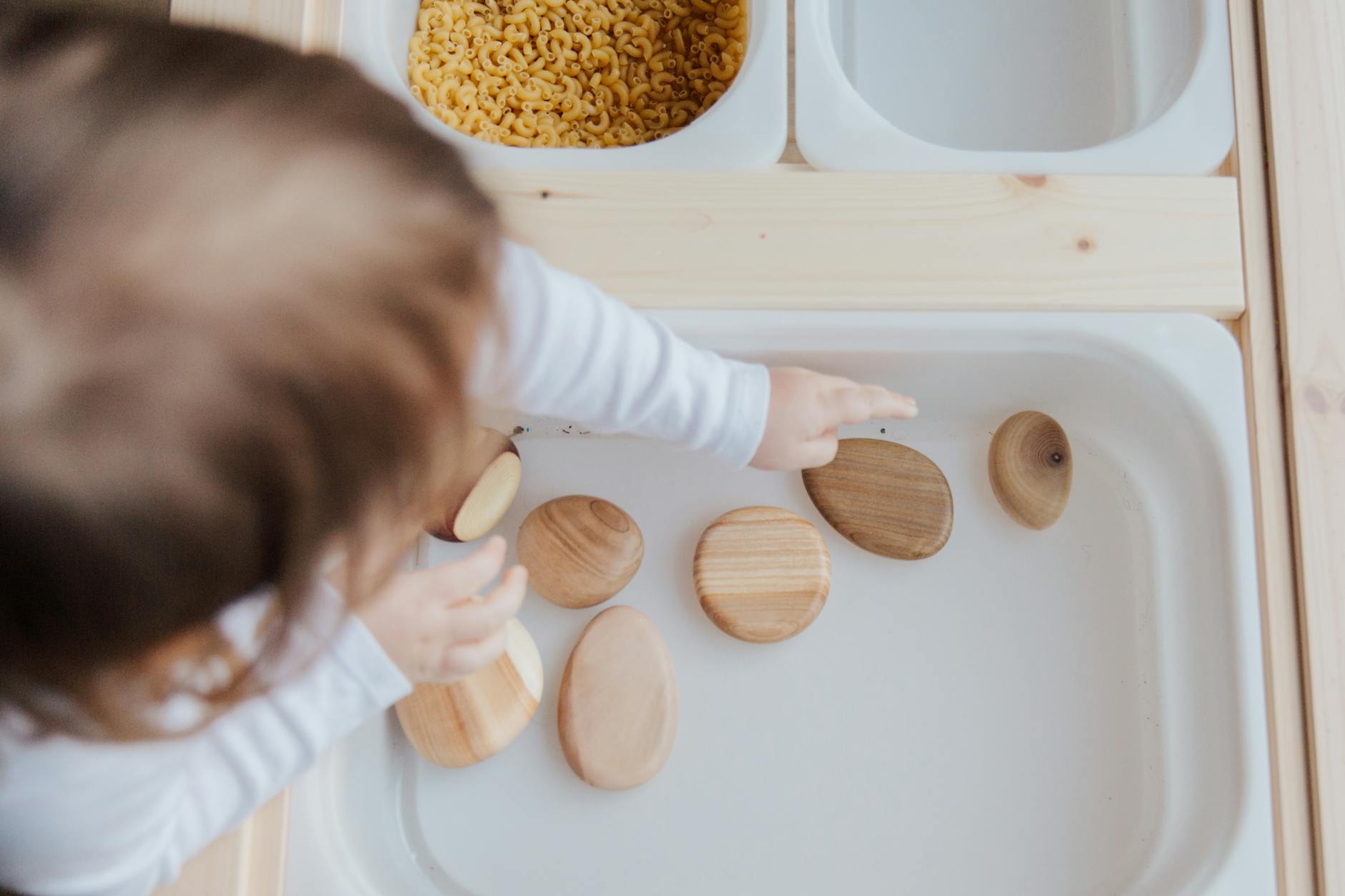
Sensory craft bins are child-led resources designed to engage toddlers in hands-on play, allowing them to explore different textures, materials, and tools. According to Homeschooling in Progress, sensory bins serve as dynamic learning tools that encourage children to use their senses, fostering cognitive development and enhancing fine motor skills. These bins are particularly beneficial for preschoolers as they provide a sensory-rich environment that supports skill-building in areas like pouring, scooping, and using tongs – movements that strengthen the muscles required for tasks such as writing and cutting.
In addition to promoting fine motor skills, sensory craft bins can also incorporate materials that help toddlers practice literacy, math, and other essential skills. By engaging in hands-on exploration and play within these bins, children can improve their dexterity, coordination, and problem-solving abilities in a stimulating and interactive manner.
Activities for Toddlers
When it comes to activities within sensory craft bins tailored for toddlers, there are various engaging options that focus on refining fine motor skills and encouraging sensory exploration. By incorporating activities that involve pouring, scooping, and manipulating objects, toddlers can develop essential muscle control and coordination. Some effective activities include:
- Pouring and Scooping: Encouraging toddlers to transfer objects from one container to another using child-friendly tools like small cups, spoons, or scoops can help refine their fine motor skills and hand-eye coordination.
- Matching and Sorting: Activities that involve sorting objects by color, shape, or size not only enhance cognitive skills but also improve finger dexterity and precision in handling objects.
- Tactile Exploration: Providing a variety of sensory materials like sand, rice, or textured fabrics allows toddlers to engage their sense of touch, promoting sensory development and fine motor coordination.
By incorporating these activities into the daycare curriculum through sensory craft bins, toddlers can engage in age-appropriate tasks that foster their fine motor skills in a fun and interactive manner. By focusing on activities that encourage manipulation, coordination, and sensory engagement, daycare providers can support the holistic development of toddlers in their care.
Toddler Activities for Fine Motor Skills
Engaging toddlers in activities that promote the development of fine motor skills is crucial for their growth and dexterity. Two recommended activities for enhancing fine motor skills in toddlers are peeling and placing stickers and stringing Cheerios.
Peeling and Placing Stickers
Peeling and placing stickers may seem like a simple activity, but it plays a significant role in the development of fine motor skills in toddlers and preschoolers. This activity helps in developing the pincer grasp and visual motor coordination, essential skills needed for tasks like writing and buttoning clothes.
Encouraging young children to peel off stickers from a sheet and accurately place them on paper or a designated surface not only refines their hand-eye coordination but also enhances their finger strength and control. Providing a variety of sticker shapes, sizes, and textures can make this activity more engaging and challenging for toddlers, further stimulating their sensory and motor skills development.
Stringing Cheerios
Another beneficial activity for fine motor skill development in toddlers is stringing Cheerios using pipe cleaners or strings. This activity offers a fun and interactive way for toddlers to improve their bilateral integration and visual motor coordination. These skills are essential precursors for more complex tasks like zipping zippers or tying shoelaces [3].
By threading Cheerios onto a pipe cleaner or string, toddlers are not only refining their hand-eye coordination but also honing their finger dexterity and concentration. The tactile experience of handling the Cheerios and manipulating the string fosters sensory exploration and finger strength. Moreover, the act of threading requires focus and precision, contributing to the development of their attention span and patience.
Introducing these activities into the daily routine of toddlers in daycare settings can not only enhance their fine motor skills but also provide them with enjoyable and stimulating ways to explore and develop their physical capabilities. Incorporating a variety of activities that target different aspects of fine motor skill development can contribute to the holistic growth and development of toddlers in a nurturing environment.
More Fine Motor Skill Activities
When it comes to enhancing fine motor skills in children at daycare, engaging in various activities that focus on strengthening hand muscles and coordination can greatly benefit their development. Two effective fine motor skill activities that can be incorporated into daycare routines are ripping or crumpling paper and placing coins in a piggy bank.
Ripping or Crumpling Paper
Ripping or crumpling paper to create art projects, such as a mosaic craft, serves as an excellent exercise to strengthen the small muscles of the hand. This activity promotes the coordination of the fingers and hands, similar to unsnapping the snaps of a jacket. Through the act of tearing or crumpling paper, children can refine their fine motor skills and enhance their grip strength.
By encouraging children to engage in paper tearing or crumpling sessions, daycare providers can support the development of the bimanual use of a tripod grasp, which is essential for activities requiring precision and control. This activity not only fosters creativity but also aids in the refinement of hand-eye coordination, preparing children for more intricate tasks that involve dexterity and manual control.
Placing Coins in a Piggy Bank
Another beneficial fine motor skill activity for children in daycare is placing coins in a piggy bank. This activity requires children to pick up coins using their fingers, specifically developing the pincer grasp—the ability to grasp small objects between the thumb and forefinger. By manipulating coins and inserting them into a slot or container, children enhance their fine motor control and hand-eye coordination.
The act of placing coins in a piggy bank also involves visual motor coordination, similar to the motions required for actions like buttoning a shirt or orienting objects correctly. This activity not only supports the refinement of fine motor skills but also encourages focus, precision, and concentration in children as they engage in a task that involves manipulation and coordination.
By incorporating activities like ripping or crumpling paper and placing coins in a piggy bank into daily routines at daycare, caregivers can provide children with engaging opportunities to develop their fine motor skills effectively. These activities not only promote physical dexterity and hand strength but also foster concentration, coordination, and the development of essential motor skills crucial for overall growth and development.
Sensory Bins for Fine Motor Skills
Exploring sensory bins as tools to enhance fine motor skills in daycare settings reveals a plethora of benefits for young learners. These dynamic sensory play bins are designed to engage children in hands-on exploration, aiding in the development of various essential skills, particularly fine motor skills.
Sensory Bins Benefits
Sensory bins serve as valuable child-led resources that encourage preschoolers to explore through tactile play. By immersing their hands in sensory materials, children engage in activities such as pouring, scooping, using tongs, and other strengthening exercises that target the same muscles necessary for tasks like writing and cutting [4]. The benefits of sensory bins go beyond fine motor skill development; they also provide opportunities for practicing literacy, math, and other cognitive skills in a playful and interactive manner.
Fall Sensory Bin Ideas
When it comes to fall-themed sensory bins, a variety of seasonal materials can be utilized to create engaging activities that promote fine motor skill development in preschoolers. Materials like rice, trinkets, small plastic seasonal pieces, and thematic items can be incorporated into sensory bins to offer enriching sensory experiences [4].
Here are five captivating fall sensory bin ideas that can be easily set up with affordable and accessible materials:
Fall Sensory Bin Ideas Materials Used
- Halloween/Spider Bin: Plastic spiders, black and orange pompoms, plastic eyeballs.
- Apple Pie Bin: Scented apple-slice erasers, cinnamon sticks, silk leaves.
- Pumpkin Bin: Miniature pumpkins, pumpkin seeds, orange and green sensory beads.
- Fall Leaves Bin: Fabric fall leaves, acorns, pinecones, small baskets.
- Fall Fun Bin: Corn kernels, mini scarecrows, sunflowers, colorful felt strips.
These fall-themed sensory bin ideas not only engage preschoolers in sensory exploration but also encourage the development of fine motor skills in a fun and stimulating way. By incorporating these sensory bins into the daycare curriculum, educators can provide enriching hands-on experiences that support the holistic development of young children.
Enhancing Fine Motor Skills
To further nurture fine motor skills in daycare settings, structured sensory bin play and incorporating different body positions play a significant role in promoting children's physical development and cognitive growth.
Structured Sensory Bin Play
Introducing structured sensory bin play can provide children with valuable tactile experiences that stimulate their senses and enhance fine motor skills. By offering sensory materials like sand, water beads, or textured objects in a controlled environment, children can explore different textures, shapes, and sizes. This hands-on approach encourages children to practice gripping, pinching, and manipulating objects, thereby enhancing their manual dexterity and coordination.
Structured sensory bin activities can be tailored to focus on specific aspects of fine motor development, such as pincer grasp or hand-eye coordination. By incorporating tools like tweezers, scoops, or tongs into the sensory bin play, children can refine their fine motor skills while engaging in sensory-rich experiences.
Body Positions and Motor Skills
Research suggests that incorporating varied body positions during sensory play can aid in the development of both fine and gross motor skills. By encouraging children to explore sensory materials while standing, lying down, kneeling, or sitting, educators can support the development of balance, coordination, and spatial awareness.
Moreover, engaging in sensory activities that involve different body positions helps children strengthen their core muscles and improve their postural control. This not only enhances their physical abilities but also lays the foundation for more complex movements and tasks in the future.
By integrating structured sensory bin play and diverse body positions into the daily routines of daycare settings, educators can create dynamic learning opportunities that foster fine motor skill development and overall physical wellness in young children. These intentional practices not only promote motor skill refinement but also support children's cognitive growth and social interactions, laying a strong foundation for their ongoing development.
Supporting Development Through Activities
Engaging children in a variety of activities within a daycare setting goes beyond mere entertainment; it plays an integral role in supporting their holistic development. Two key aspects of this development are language and math skills, as well as the utilization of messy play.
Language and Math Skills
Sensory play, such as the use of sensory craft bins, can significantly contribute to enhancing children's language and math skills. By incorporating interactive elements that encourage children to explore and engage with their senses, sensory play creates opportunities for language development. Asking children questions during sensory play to help them notice, feel, and experience different aspects can aid in their language development. Moreover, activities like counting items or sorting them by size, shape, and color can enhance logical thinking skills and math learning [5].
Through multisensory experiences, children are not only learning to communicate effectively but are also developing fundamental math concepts through hands-on exploration. By engaging in activities that involve sorting, grouping, and comparing objects within sensory bins, children are laying the groundwork for mathematical understanding in a fun and interactive manner. These immersive experiences not only foster creativity but also promote cognitive growth in children.
Utilizing Messy Play
Incorporating messy play activities into the daycare curriculum is another valuable way of supporting children's development. Messy play, which involves activities like finger painting, exploring textures, and sensory experiences, offers children the opportunity to engage all their senses and explore the world around them in a tactile manner. This hands-on approach encourages children to experiment, take risks, and learn through trial and error.
Participation in messy play can support a child in developing a sense of responsibility and independence [2]. By involving children in the setup and clean-up of messy play activities, caregivers not only enhance their self-help skills but also teach them valuable lessons about rules, boundaries, and consequences. This active participation fosters a sense of accomplishment and boosts children's self-confidence as they navigate and engage with the world around them.
In conclusion, by incorporating activities that target language and math skills, as well as embracing messy play within the daycare environment, caregivers can provide children with diverse opportunities for growth and development. These varied experiences not only stimulate cognitive abilities but also nurture creativity, independence, and a love for exploration in children, laying a strong foundation for their future learning and success.
References
[1]: https://www.playto.com/blog/15-art-activities-for-daycare-children
[2]: https://messyplaykits.com/blogs/resources/
[3]: https://napacenter.org/fine-motor-activities/
[4]: https://homeschoolinginprogress.com/fall-sensory-bins
[5]: https://www.fraser.org/resources/blog/why-should-you-create-a-sensory-bin-for-your-child


.avif)


.jpg)


.avif)


