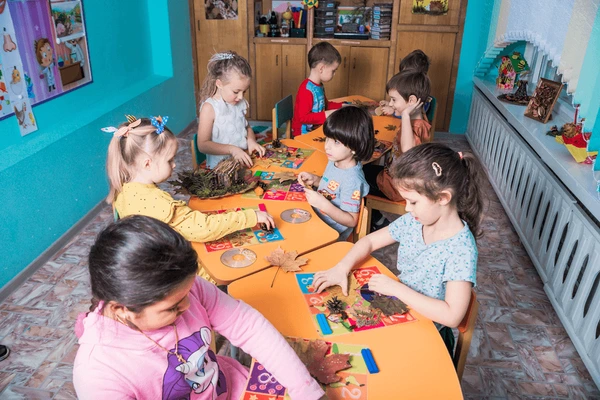
Ensuring Daycare Safety
When it comes to ensuring the safety of daycare facilities, compliance with childcare regulations is paramount. These regulations are put in place at various levels - federal, state, and local - to ensure the well-being of children in daycare settings. Negligence in adhering to these regulations can lead to severe consequences, making it crucial for daycare providers to prioritize safety standards.
Importance of Childcare Regulations
Federal law mandates that all licensed childcare programs must comply with basic health and safety requirements for operation. These requirements cover aspects such as staff-to-child ratios, emergency preparedness, sanitation protocols, and facility safety measures. By enforcing these regulations, authorities aim to create a secure environment where children can learn, play, and thrive under the care of trained professionals.
It is essential for daycare providers to familiarize themselves with the specific regulations governing their operations to ensure full compliance. Failure to meet these standards can not only result in legal repercussions but, more importantly, jeopardize the well-being of the children under their care.
Common Daycare Negligence Examples
Negligence in daycare settings can manifest in various forms, with some of the most common examples including inadequate emergency preparedness and safety protocols. According to The Benton Law Firm, negligent childcare providers may fail to have proper emergency plans and supplies in place. This includes lacking essentials such as fire safety equipment, severe weather protocols, stocked first aid kits, and staff trained in CPR.
Inadequate emergency preparedness can have devastating consequences if a disaster or medical emergency occurs in a daycare facility. It is the responsibility of daycare administrators and staff to ensure that they are well-prepared to handle any unforeseen situation and safeguard the children entrusted to their care.
By understanding the importance of childcare regulations and being vigilant in addressing common negligence issues, daycare facilities can create a safe and nurturing environment for children to learn and grow. Adhering to state, federal, and local regulations, along with accreditation standards, is a vital step towards promoting the well-being of children in daycare settings.
Hazards in Daycare Facilities
Ensuring a safe environment in daycare facilities is paramount to the well-being of children. Negligence in childcare can lead to various hazards that compromise the safety of children. Two significant hazards in daycare facilities are unsafe environment hazards and lack of emergency preparedness.
Unsafe Environment Hazards
Inadequate supervision is a leading cause of negligence in childcare. Busy daycare centers with high child-to-caregiver ratios can result in increased risks of injuries, children getting lost, or even abducted. It is crucial for daycare centers to provide adequate supervision to ensure the safety and security of all children under their care. Negligent childcare facilities may have hazards such as unsecured heavy furniture, exposed outlets, accessible cleaning products or medications, and broken playground equipment. Identifying and addressing these hazards promptly is essential to maintain a safe environment for children.
Lack of Emergency Preparedness
Another critical aspect of daycare safety is the level of emergency preparedness in the facility. Negligent childcare providers may fail to have adequate emergency plans and supplies in place, increasing the risk of harm if a disaster strikes. Daycare facilities should have well-defined protocols for fire safety, severe weather emergencies, and other potential crises. Additionally, stocked first aid kits, staff trained in CPR, and regular emergency drills are essential components of effective emergency preparedness in daycare settings.
By addressing unsafe environment hazards and enhancing emergency preparedness measures, daycare facilities can create a safer and more secure environment for children in their care. Prioritizing the well-being and safety of children requires proactive measures to prevent potential hazards and be prepared to respond effectively in case of emergencies. For more insights on maintaining a safe daycare environment and complying with relevant state and federal laws, consult our article on daycare safety: complying with state & federal laws.
Regulatory Oversight in Daycare
When it comes to ensuring the safety and quality of daycare facilities, adherence to regulations at the federal, state, and local levels is paramount. Additionally, compliance with accreditation standards plays a crucial role in maintaining the highest standards of care for children in daycare settings.
Federal, State, and Local Regulations
All formal childcare and early learning programs are required to operate under strict regulations and accountability measures mandated by federal, state, and local authorities. These regulations are put in place to safeguard the well-being of children and ensure that daycare facilities provide a safe and nurturing environment. Programs that receive multiple funding sources must adhere to regulations from various oversight entities across all levels of government. It is essential for daycare operators to understand and comply with the distinct requirements set forth by each regulatory body to guarantee the highest standards of care.
Compliance with Accreditation Standards
Apart from governmental regulations, daycare facilities may be subject to accreditation standards set by private regulatory bodies. Accreditation associations establish criteria that go beyond basic licensing requirements to assess the quality of care provided by daycare centers. By achieving accreditation, daycare facilities demonstrate their commitment to maintaining a high level of professionalism and dedication to continuous improvement in early childhood education. Adhering to accreditation standards not only enhances the reputation of the daycare center but also assures parents of the quality of care their children will receive.
Understanding and complying with both governmental regulations and accreditation standards is crucial for daycare providers to operate legally, ensure the safety and well-being of children under their care, and maintain high-quality standards in early childhood education. By adhering to these guidelines, daycare facilities can create a secure and enriching environment where children can learn, grow, and thrive.
Licensing and Inspection
When it comes to ensuring the safety and well-being of children in daycare settings, the childcare licensing process plays a crucial role. Childcare licensing is the primary method through which the U.S. and its territories regulate child care, establishing minimum health and safety standards that childcare programs must adhere to in order to operate legally. It is the responsibility of state and territory governments to enforce these licensing requirements to safeguard children's health and safety in childcare programs.
Childcare Licensing Process
The childcare licensing process sets forth the foundation for maintaining a safe and nurturing environment for children attending daycare facilities. While licensing does not guarantee quality, it establishes minimum health and safety standards that licensed childcare programs must meet. Licensed programs are subject to ongoing monitoring to ensure continued compliance with these requirements to uphold the safety of children.
Key components of the childcare licensing process include evaluating staff-to-child ratios, group sizes, health standards, and safety protocols. These factors ensure that children receive appropriate supervision and care while in a childcare program, promoting their overall well-being and security. Maintaining compliance with licensing standards is essential for upholding the quality of care provided to young children.
Inspection and Monitoring Protocols
Child care licensing inspectors play a vital role in upholding the standards set by licensing regulations. Inspectors are tasked with ensuring that child care programs comply with specific rules aimed at protecting the health and safety of children. By conducting regular inspections, these professionals help to create safe and healthy environments within daycare facilities, fostering a nurturing space for children to learn and grow [3].
Each state appoints an agency responsible for issuing child care licenses and overseeing inspection processes to guarantee that licensing standards are met. Licensed programs undergo frequent inspections to assess their adherence to health and safety regulations, ensuring that children are cared for in environments that meet the necessary standards for their protection.
By upholding stringent licensing and inspection protocols, daycare facilities can create safe and secure environments where children can thrive and develop positively under the care of qualified and dedicated staff. Compliance with these regulations is essential to guaranteeing the well-being of children and providing peace of mind to parents entrusting their little ones to daycare centres.
Quality Standards in Daycare
Maintaining high-quality standards in daycare facilities is essential to ensure the safety and well-being of children. Two key aspects that contribute to quality standards in daycare are staff-to-child ratios and health and safety criteria.
Staff-to-Child Ratios
Regulations that require licensed childcare providers to maintain specified staff-to-child ratios play a crucial role in ensuring the safety and supervision of children in daycare settings. According to Childcare.gov, the staff-to-child ratio and group size requirements are fundamental in ensuring that children receive the supervision necessary to stay healthy and safe in a childcare program.
Research published on NCBI indicates that regulations mandating specific staff-to-child ratios and educational/training requirements aim to enhance the quality of childcare services. However, concerns have been raised regarding potential unintended consequences, where providers may make adjustments that do not positively impact the quality of services or may even lead to negative outcomes.
Interestingly, the stringency of staff-to-child ratio requirements in childcare centers has been found to influence the revenues of family daycare homes, particularly in higher-income markets. This emphasizes the interconnectedness of regulatory standards across different types of childcare facilities.
Health and Safety Criteria
In addition to staff-to-child ratios, meeting specific health and safety criteria is essential for upholding quality standards in daycare facilities. A child care license, as outlined by Child Care Aware, signifies that a program has met state standards covering areas such as health and safety practices, safe sleep protocols, caregiver-to-child ratios, group sizes, food preparation guidelines, and staff training requirements.
Federal law, as stated by Childcare.gov, mandates that all licensed childcare programs must adhere to basic health and safety requirements for operation. These requirements are put in place to ensure that children are provided with a safe and nurturing environment while in daycare.
Maintaining adequate staff-to-child ratios and implementing comprehensive health and safety criteria are fundamental to the overall quality of care and supervision that children receive in daycare settings. By adhering to these standards, daycare facilities can create a secure and supportive environment where children can learn, grow, and thrive.
Common Daycare Safety Violations
In the realm of daycare safety, it is critical to be aware of and prevent common violations that can compromise the well-being of children under care. Two prevalent areas where safety violations can occur in daycare facilities are staff behaviour issues and maintenance and record-keeping.
Staff Behaviour Issues
One of the most concerning daycare safety violations involves staff behaviour issues. Inconsistent or inappropriate conduct by daycare staff members puts children at risk and may lead to regulatory noncompliance. In a study focusing on Texas childcare centers, negative attitudes and, more alarmingly, instances of physical abuse towards children were reported as the most common deficiencies in staff behaviour [6]. Training programs and strict enforcement of safety protocols are crucial in mitigating and preventing such risks.
Maintenance and Record-Keeping
Proper maintenance and record-keeping play a pivotal role in ensuring a safe and compliant daycare environment. Neglecting maintenance tasks or failing to maintain accurate records can result in serious violations. Non-compliance risks may arise from issues such as inadequate background check protocols for staff, lack of fire safety certification, negligence in building and equipment maintenance, and incomplete documentation of child health records.
Establishing and adhering to rigorous maintenance schedules, conducting regular safety inspections, and maintaining up-to-date records are essential practices to avoid common violations in daycare centres. By prioritising the safety and well-being of children and upholding strict adherence to regulatory standards, daycare facilities can create a secure and nurturing environment for all those under their care.
Cleaning and Sanitizing Protocols
Ensuring a clean and sanitized environment is paramount in daycare facilities to prevent the spread of infections and maintain a safe space for children. Implementing rigorous cleaning and sanitizing protocols is essential to mitigate cross-contamination risks and uphold federal and state guidelines.
Cross-Contamination Risks
Cross-contamination poses a significant threat in daycare settings, where children interact closely with each other and various surfaces. To address this risk, daycare centres adhere to specialized cleaning protocols to maintain a hygienic environment. High-touch surfaces such as doorknobs, toys, and tables require thorough cleaning and disinfection at least once daily to reduce the risk of common daycare safety violations.
By implementing strict cleaning measures, daycare providers can effectively reduce the spread of germs and ensure the well-being of children in their care. Regular cleaning routines and the use of child-safe disinfectants are crucial in preventing infections and maintaining a healthy environment.
Federal and State Guidelines
Federal and state guidelines for cleaning and sanitizing daycare facilities offer comprehensive recommendations to ensure a safe and healthy environment for children. Adhering to these guidelines is crucial for daycare providers to comply with regulatory requirements and ensure the well-being of children under their supervision [6].
The guidelines outline specific protocols for cleaning different areas of the facility, including play areas, restrooms, and dining spaces. They also emphasize the importance of using child-friendly cleaning products that are effective yet safe for use around children. By following federal and state cleaning guidelines, daycare centres can create a clean and hygienic environment that supports the health and safety of all children.
Maintaining a strict cleaning and sanitizing regimen in accordance with federal and state guidelines not only promotes a healthy environment but also ensures compliance with regulatory standards. By prioritizing cleanliness and sanitation, daycare providers can create a safe and welcoming space where children can learn and grow with confidence.
Compliance Challenges in Daycare
Compliance with state and federal regulations is a fundamental aspect of operating a daycare facility. Failure to meet licensing requirements can have serious legal consequences and implications for the safety and well-being of the children under care. Understanding the legal consequences of noncompliance and implementing effective strategies to meet licensing requirements are essential for daycare owners and operators.
Legal Consequences of Noncompliance
Noncompliance with daycare regulations can result in a range of legal repercussions, including fines, penalties, and potential closure of the facility. It's crucial for daycare providers to adhere to licensing laws and regulations to maintain a safe and nurturing environment for children. According to My Kid Reports, noncompliance can also tarnish the reputation of the daycare and erode trust among parents and the community.
One of the critical legal requirements outlined by federal law is the implementation of state and federal criminal background checks for staff in licensed child care programs and adults residing in family child care homes. These checks, including fingerprinting, are essential for ensuring the safety and security of children in daycare settings.
Strategies for Meeting Licensing Requirements
To navigate the complexities of daycare regulations and ensure compliance, daycare owners must develop effective strategies for meeting licensing requirements. This includes staying informed about specific regulations, investing in staff training, and allocating resources to uphold the mandated standards.
Regular staff training on health and safety protocols, emergency procedures, and child supervision guidelines is essential for maintaining compliance with licensing standards. By educating employees on regulatory requirements and best practices, daycare facilities can enhance safety measures and mitigate the risk of violations.
Creating a comprehensive compliance checklist that covers all aspects of licensing requirements can help daycare operators track their adherence to regulations. This checklist should include items such as maintaining appropriate staff-to-child ratios, implementing health and safety protocols, and conducting regular facility inspections.
Moreover, fostering a culture of compliance within the daycare center promotes accountability and ensures that all staff members are dedicated to upholding the highest standards of care. Regular audits and self-assessments can help identify areas of noncompliance and prompt corrective action to address any deficiencies.
By prioritizing compliance with licensing laws and regulations, daycare providers can safeguard the well-being of children, maintain the integrity of their facility, and demonstrate a commitment to excellence in early childhood education and care. This proactive approach not only protects the daycare from legal repercussions but also establishes a solid foundation for delivering quality childcare services.
References
[1]: https://www.thebentonlawfirm.com/
[2]: https://www.ffyf.org/resources/
[3]: https://childcare.gov/consumer-education/how-is-child-care-regulated
[4]: https://www.childcareaware.org/families/child-care-regulations/who-regulates-child-care/
[5]: https://pmc.ncbi.nlm.nih.gov/articles/PMC4076055/
[6]: https://www.playto.com/blog/common-daycare-safety-violations-to-avoid


